India Opens Medal Account at 2026 Asian Games in Aichi-Nagoya
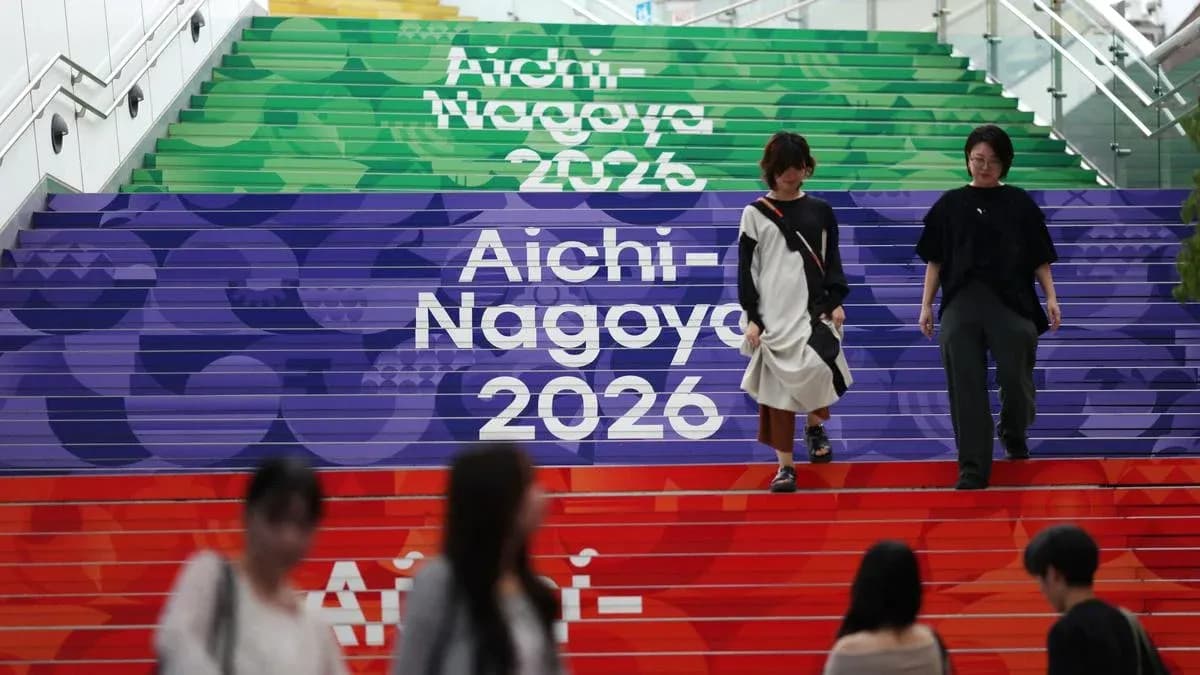
India’s campaign at the 2026 Asian Games in Aichi-Nagoya burst into life on Sunday, as the country opened its medal account with a pair of silvers in women’s shooting and pushed deep into contention across multiple disciplines.
Elavenil leads from the front
On a tense day at the shooting range, Elavenil Valarivan once again carried the weight of expectation with the composure of a seasoned champion. The 10 m air rifle event, so often a barometer of India’s form at major multi-sport meets, delivered early.
First came the team silver. Valarivan, alongside Sonam Uttam Maskar and Vidarsa K. Vinod, pieced together a steady, disciplined series to lift India onto the podium in the women’s team event. No fireworks, no drama — just three shooters holding their nerve in a field stacked with quality.
The platform was set. Valarivan then stepped back onto the line in the individual 10 m air rifle and pushed through another high-pressure final. She backed up the morning’s work with a second silver, underlining why she remains one of India’s most reliable performers on the continental stage. Two medals, one athlete at the heart of both. India’s tally was finally moving.
Medals guaranteed in the ring and on the pitch
The day’s momentum did not stop at the range.
On the combat sports front, Suchika Tariyal drove her way into the semifinals in the women’s traditional 60 kg weight category in mixed martial arts. That single step carries huge significance: it guarantees India at least a bronze, with the door still open for something brighter if she can push on from here.
Out in the middle, India’s women’s cricket team has already booked its place in the final. That alone secures another medal — gold or silver — and keeps alive the prospect of a statement title in a sport where India’s depth and experience are beginning to tell at major events.
A 501-strong statement of intent
This is no small expedition. India has sent a 501-member contingent to Aichi-Nagoya — 267 men and 234 women — spread across 36 disciplines. The numbers speak to ambition, but the context makes them even more striking.
They arrive in Japan carrying the weight of a breakthrough performance at the previous Asian Games in Hangzhou, where India finished fourth behind China, Japan and South Korea with a record 106 medals. That haul reset expectations. Matching it will be hard. Surpassing it would mark a new era.
The leadership group is as star-studded as any Indian delegation in recent memory. Manu Bhaker, Mirabai Chanu, Lovlina Borgohain, P.V. Sindhu, Aman Sehrawat, Tajinderpal Singh Toor, Gulveer Singh, Harmanpreet Singh, Smriti Mandhana and Jasprit Bumrah headline a squad that blends Olympic pedigree, world championship metal and T20 swagger.
From the shooting range to the octagon, from the hockey pitch to the cricket field, India has already begun to leave its mark on Aichi-Nagoya. The medals table will keep shifting as the days roll on, but the early signs are clear: this is a contingent that has not come to merely defend a legacy from Hangzhou. It has come to rewrite it.