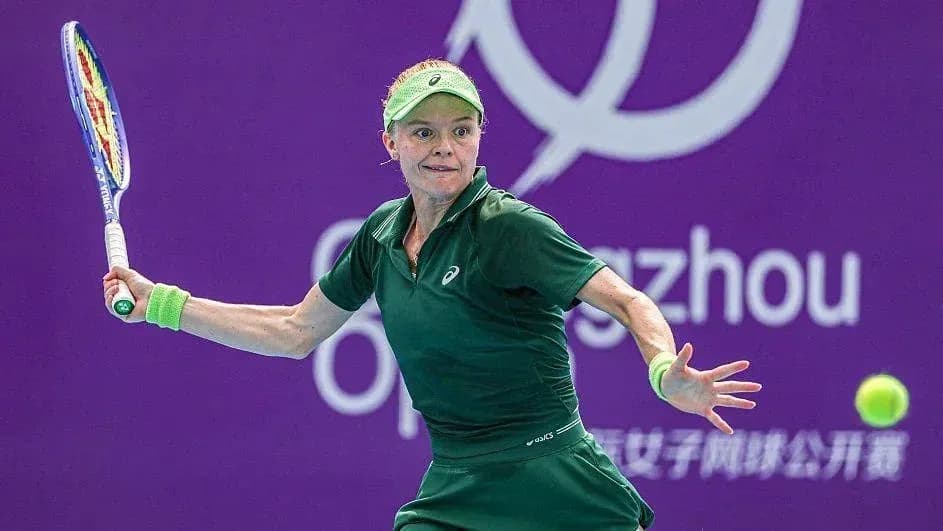
Harriet Dart Reaches First WTA Tour Final in Guangzhou
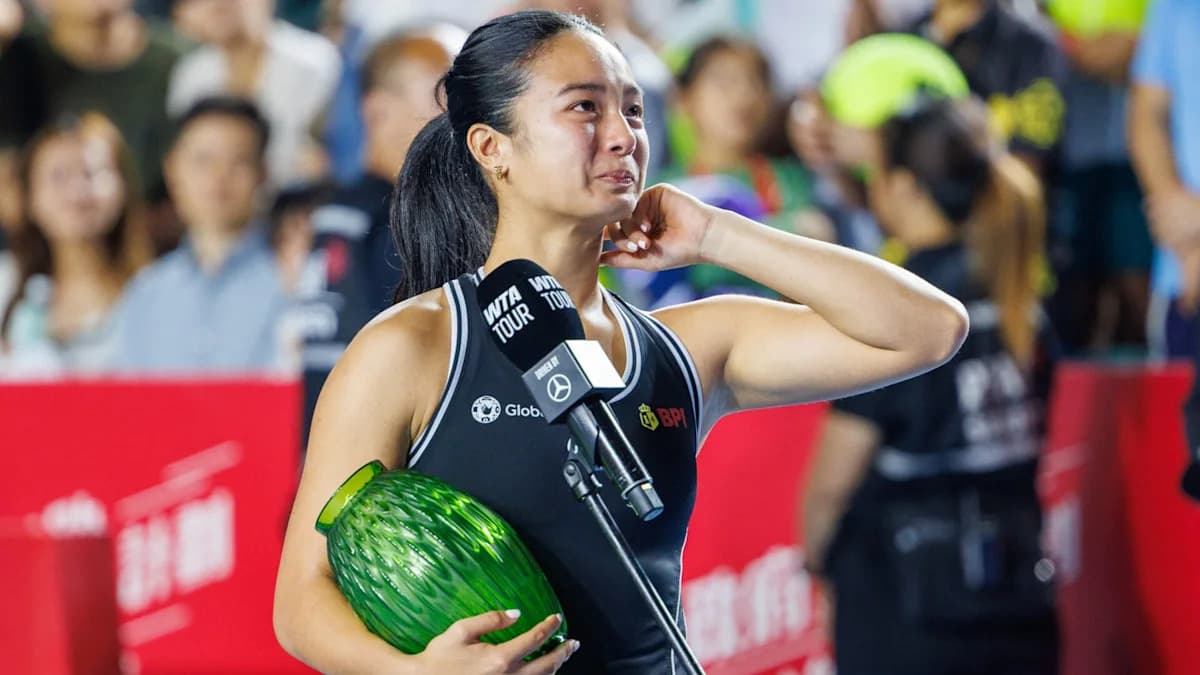
Harriet Dart wiped away tears in Guangzhou, knowing exactly what she had just done.
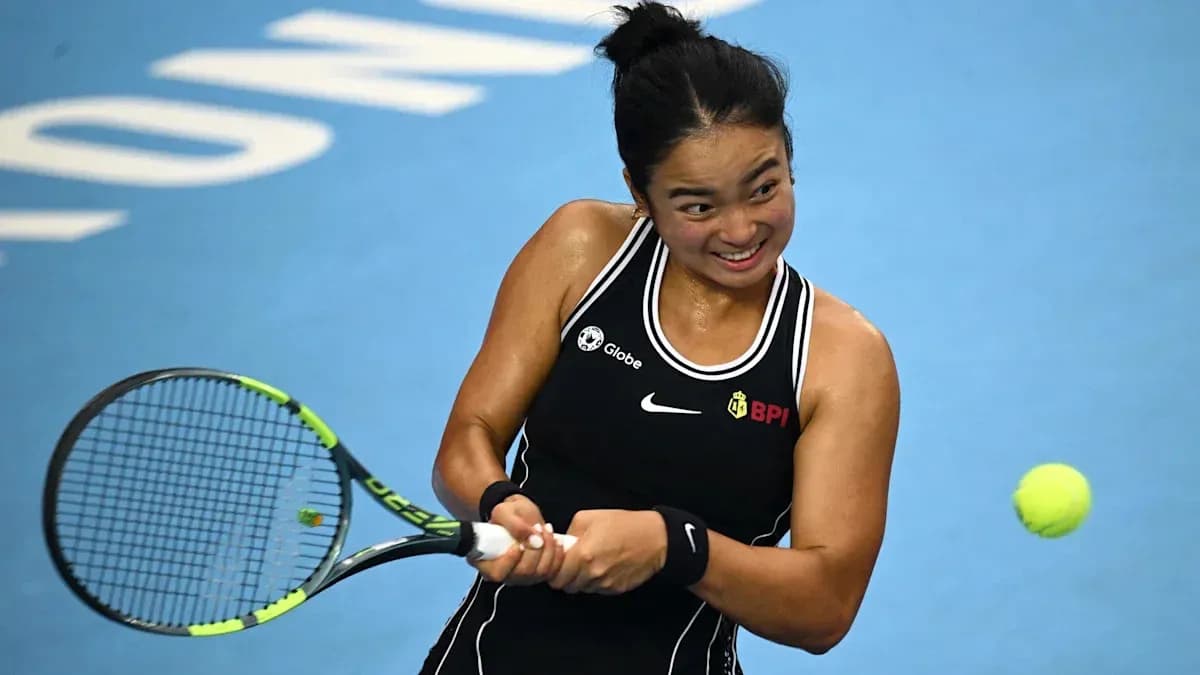
After nearly a decade of grinding on the tour, the 30-year-old Briton finally broke through to her first WTA Tour singles final, surviving a wild, nerve-shredding semi-final against 16-year-old Chinese wildcard Sun Xinran at the Guangzhou Open.
She did it the hard way. Dart failed to serve out the opening set, stared down multiple match points in the second, then tore through the decider to complete a 5-7 7-6 (7-1) 6-0 win in just under two and a half hours.
“It’s been a really long journey. I’ve wanted it so much, so badly – sometimes too much. To finally be here means the world,” she said, her voice cracking as the scale of it all hit.
A brutal start, a brutal response
The match began with Dart tight and Sun fearless.
A double fault on break point in Dart’s opening service game set the tone, and within minutes she trailed 3-0. Sun, the reigning US Open junior champion, was sharp off the ground, feeding off a partisan crowd and punishing every short ball.
Dart, though, refused to fold. She settled, stepped in on the baseline and began to dictate. Four straight games swung the set from 1-4 to 5-4, the qualifier suddenly bossing rallies and dragging the teenager into longer, more physical exchanges.
Serving for the set, the old demons returned. Two more double faults, frustration spilling out, and the door swung open again. Sun walked straight through it, holding to 15, then breaking Dart for a third time to steal the opener 7-5.
Match points faced, crowd silenced
The second set became a test of nerve as much as tennis.
Dart twice broke early – in the first and fifth games – and twice Sun hit straight back, refusing to let the more experienced player settle. Every time Dart edged in front, the teenager’s clean ball-striking and the roar from the stands dragged her back.
The tension built. Dart had to serve to stay in the match not once, but twice. Each time, she held, gritting her teeth through the noise and the pressure. She repeatedly complained to the chair umpire about the crowd, clearly rattled yet somehow still clinging on.
Then came the tie-break, and with it a transformation.
All the frustration, all the nerves, seemed to harden into focus. Dart raced through it 7-1, barely giving Sun a look-in. The same crowd that had lifted the home favourite fell quiet as Dart’s forehand began to dictate almost every point.
“I found it tough out there. It was a rollercoaster,” she admitted. “Playing in this part of the competition, more nerves and more feelings come out. I was really battling with myself. I’m proud of the second set and was able to turn it quickly.”
One-way traffic in the decider
Once Dart had dragged the match into a third set, the momentum flipped completely.
Sun, who had poured everything into the first two sets, began to struggle both emotionally and physically. She took a medical timeout for treatment on her left leg, her movement clearly compromised, her shoulders sagging between points.
Dart showed no mercy.
Reading the moment perfectly, she tightened her game, cut out the errors and went after Sun’s weakened side. The Briton swept through the decider without dropping a game, winning 28 of the 41 points and closing the door on any hint of a comeback.
From match points down to a 6-0 final set. From qualifier to finalist.
A career milestone, and a rankings leap
For Dart, who made her WTA Tour debut back in 2015 in Eastbourne and had only once before reached a tour-level semi-final – at the 2024 Transylvania Open – this was a career-defining afternoon.
Already up 14 spots to 101st in the live rankings, she knows what Sunday offers: one match, one title, and a return to the WTA top 100 guaranteed if she lifts the trophy.
The British number five will face either fourth seed Lilli Tagger or Kaitlin Quevedo in the final. Both are dangerous, both fresher than a qualifier who has spent heavy hours on court this week.
But Dart walks into that showdown with something they do not: the knowledge that, under suffocating pressure, with a crowd against her and a teenager swinging freely on the other side of the net, she found a way to win.
After all these years, after all those stops and starts, how far can she push this breakthrough?