Harriet Dart's Emotional US Open Victory
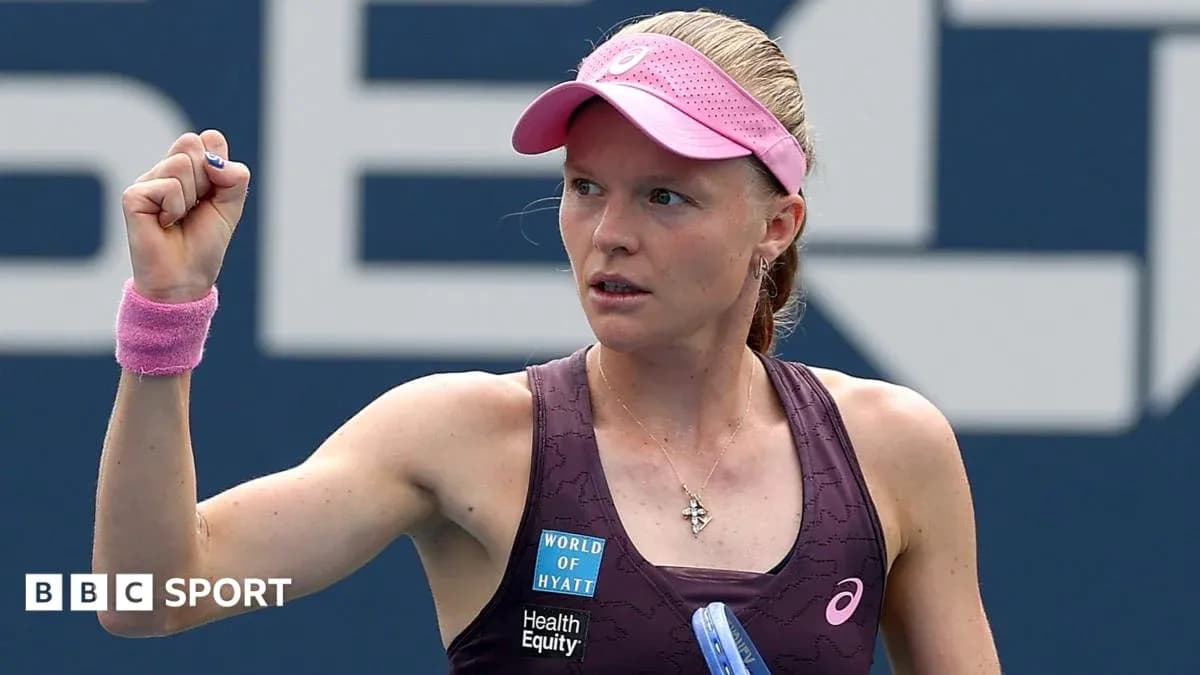
Harriet Dart had waited 19 long months for this feeling. On a sticky New York afternoon, with her family scattered around the stands and her voice hoarse from constant self-encouragement, she finally grabbed it back.
Down a set and a break to Peyton Stearns, ranked more than 75 places above her, Dart looked to be heading for another early exit from a Grand Slam. Instead, she turned Flushing Meadows into exactly what she called it afterwards: a “home away from home”.
She won 3-6 6-3 6-2, and it meant far more than a place in the second round.
From qualifying grind to main-draw fight
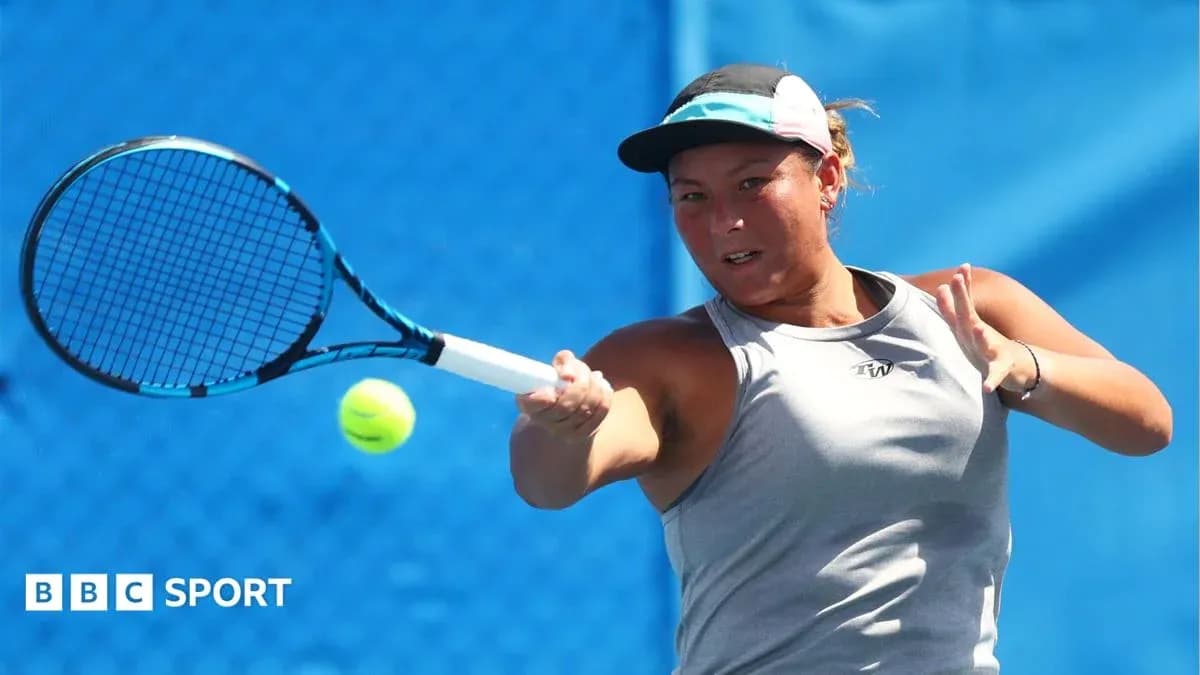
Dart has been living on the edge all week in New York. Three qualifying matches, three deciding sets, and in two of them – against Kristina Penickova and Heather Watson – she lost the opener before clawing her way back.
That pattern followed her onto Court again. The 30-year-old carved out four break points in the very first game of the match, a golden chance to settle early. She missed them all. Stearns slammed the door shut and didn’t offer another look in the set.
The American began to dictate, hammering away at Dart’s serve and finally breaking in the eighth game. The set slipped quickly, 6-3, and when Dart was broken again in the opening game of the second, the contest threatened to run away from her.
But Stearns’ aggression came with a cost. Her 40 winners were dragged down by 47 unforced errors, and once Dart found a foothold, that imbalance started to bite.
A shift in belief
Dart’s career since the 2025 Australian Open has been a slog. No main-draw singles win at a major in that time. Failure to qualify for four of the next six Slams. Two first-round exits at Wimbledon, both after receiving wildcards, both stinging reminders of chances missed.
Here, she refused to let another one go.
As Stearns’ level dipped, Dart tightened. She began to absorb the pace, redirect it, and make the American play one more ball, then another. The Briton broke twice in the second set, dragging the match into a decider and, just as importantly, dragging the crowd into her corner.
The noise around her was personal. Her parents were there. Her uncle. Numerous cousins. Some live in New York, another had flown from the UK. Her mother had been in the city since qualifying began; her father arrived the night before the match. They weren’t the only ones backing her, but they formed the spine of what Dart described as her “community”.
On a court full of strangers, she knew exactly where to look.
Bartoli’s touch and a new direction
Dart didn’t celebrate alone at the end. As soon as Stearns’ final resistance broke, she ran straight to her team – a group that now includes 2013 Wimbledon champion Marion Bartoli.
They joined forces in January, and the partnership has started to leave marks on the calendar: a quarter-final run at the Challenger event in Vancouver in July, qualification for the Cincinnati Open in August, and now this – a main-draw win at a Slam again.
Dart has spoken openly about what Bartoli brings: a champion who understands the rhythms of a tournament day, the tiny details that chip away at a player’s confidence or build it up. From the start of the morning to the last ball at night, Bartoli has walked this path before.
Dart feels it. She says she’s learning “every time we speak”, and the growing belief is visible in the way she now hangs in matches that once might have slipped away.
Closing the door
The third set turned on nerve and resilience. Breaks flew in three straight games as both players struggled to hold, tension tightening every rally. At 3-2 up, Dart faced a crucial moment: either steady herself or let Stearns back in again.
She held. That sixth game, a grind of a hold, stopped the run of breaks and gave her the platform to finish. From there she controlled the baseline exchanges, reading Stearns’ increasingly wild swings and forcing the American to hit from uncomfortable positions.
It still wasn’t straightforward. Dart needed four match points to finally shut it down, sealing victory in just under two and a half hours. When the last ball flew out, the roar that came back at her was not the polite appreciation of a neutral crowd. It sounded like what she called it: a community.
This win puts Dart into the second round of the US Open, alongside compatriots Toby Samuel and Katie Boulter. It also hands her a meeting with 25th seed Marie Bouzkova – a step up in class, but also another chance to see how far this new version of Harriet Dart can go with Bartoli in her corner and New York feeling like home.
For a player who has spent much of the last two years on the outside looking in, that’s not just progress. It’s a door, finally, nudged back open.