Stephen Fleming’s Vision for England: Beating Australia
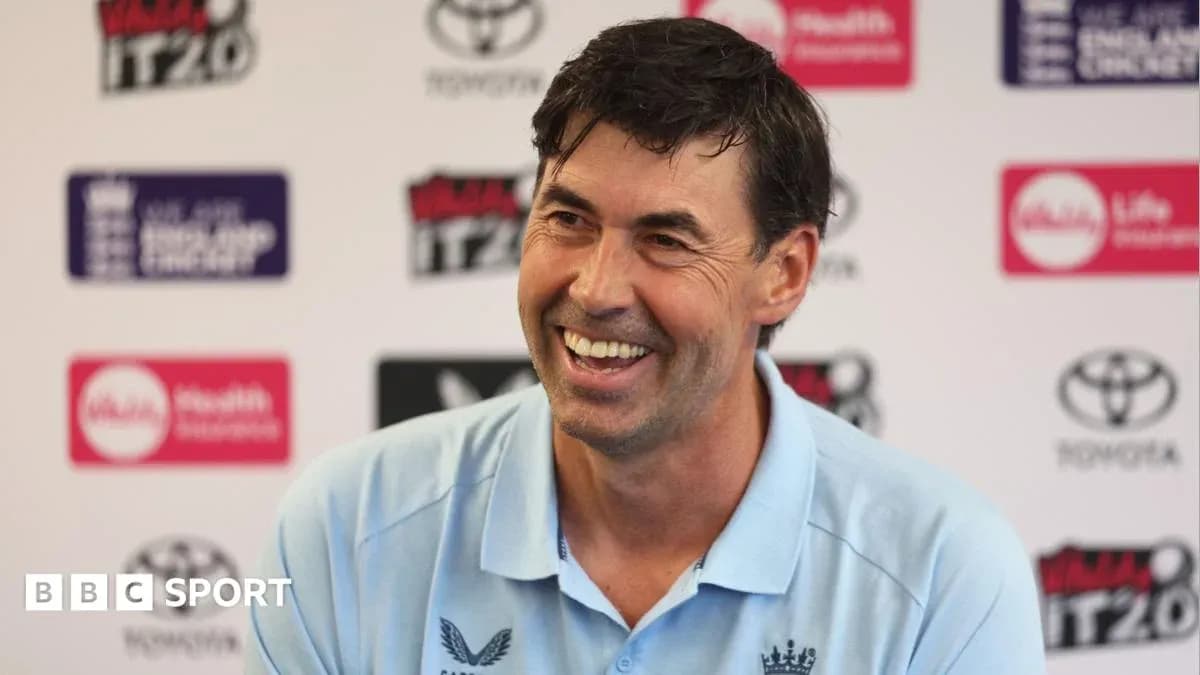
Stephen Fleming walked into his first media briefing as England’s new Test coach with a smile, a few jokes and one very clear message: he wants to beat Australia as badly as anyone in the country.
Not tolerate them. Not compete with them. Beat them.
‘We want to beat the Aussies’
Asked if English cricket is too obsessed with the Ashes, Fleming didn’t flinch.
“No, because I have an obsession with it as well,” he told BBC Sport. “New Zealand has an obsession with it, we love it. We want to beat the Aussies.”
This is a man who never managed it as a player. Fourteen Tests against Australia for New Zealand, not a single win. The scars run deep, and he made no attempt to hide it.
“We’re heavily linked to England performances,” he said. “We have a deep desire to beat Australia in everything, as the little cousin. We are linked, and I’m incredibly excited about being part of it.”
The next Ashes series comes in the UK next summer. England have not won one since 2015. The memory of last winter’s 4-1 hammering in Australia still lingers. Fleming has walked into a job where the target is painted in bold letters on the wall.
“You don’t think you’re ever going to get that opportunity,” he said. “To have that opportunity and be part of it, I can’t wait.
“I want to be my best self and have a team that represents itself in the best possible way. I’ve got a vision of that and it’s aspirational. It will be brilliant.”
From McCullum’s chaos to Fleming’s control
Fleming replaces his old New Zealand team-mate and close friend Brendon McCullum, sacked as Test coach earlier in the summer after a chaotic run on and off the field. McCullum remains in charge of the white-ball side, but his Test tenure fizzled: just two wins in his final 10 matches, including that heavy defeat in Australia.
The contrast between the two men was one of the themes of Fleming’s first public outing.
“I’ll bet on the favourite and he’ll bet on the longest odds possible,” Fleming said with a grin.
It was a neat line, but also an accurate summary of how England often played under McCullum and Ben Stokes: high-risk, high-reward, and at times high self-destruction. The criticism was constant – too little adaptability, too little attention to detail, a team married to a “brand” even when conditions screamed for something different.
Fleming wants none of the branding talk.
On whether a Test side needs a style label, he was blunt: “I don’t think so. The greatest thing for a team to do is to be able to play conditions and situations.
“I’d love people to say we are well-planned, there’s a discipline and a really strong basic structure to what we’re doing, but there’s also a bit of flair.”
That is Fleming in a sentence: structure first, then the flourish.
A grown-up in the room
Almost two months after his appointment, this was the first real glimpse of what “Fleming’s England” might look like. The tone was calm, measured, authoritative. After a year of freewheeling nights and fluctuating performances, it felt like a different kind of leadership.
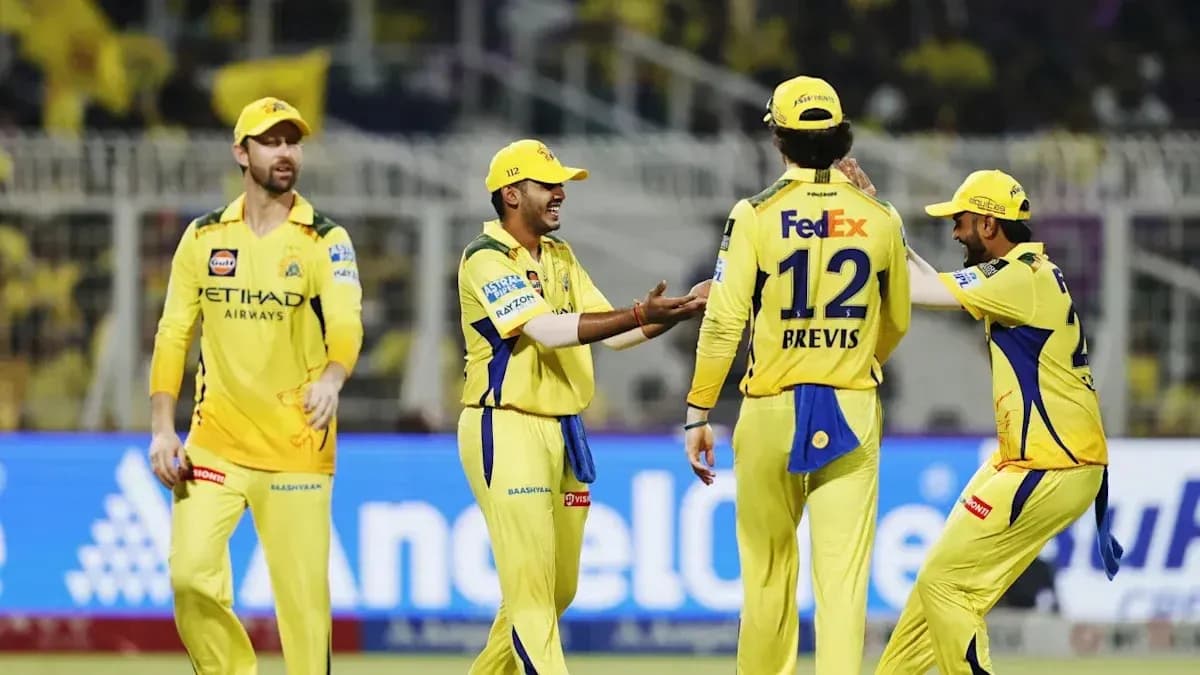
Inside the room, there were flashes of humour. He joked that he has a “stress fracture of the left ear” after endless phone calls with players and staff. He laughed about occasionally turning up in fancy dress at Chennai Super Kings to ease the mood.
But beneath the jokes was something sterner. Around the England set-up, the Fleming–McCullum relationship has already been described as “big brother”. The sense is clear: the older sibling has arrived to tidy the room.
The split-coaching model has not always worked for England. This time, the deep friendship and business partnership between the two New Zealanders might just hold it together. One gambler, one percentage player. One long odds, one favourite.
Discipline, standards and Brydon Carse
The lighter moments could not mask the more serious topics. England’s recent Test history is littered with late-night controversies. Those stories did not end with McCullum’s departure.
On Friday, Derbyshire Police confirmed they had closed an investigation into England fast bowler Brydon Carse after allegations of an assault last month. No police action will follow, but Carse now faces an investigation from the Cricket Regulator. He is still eligible for England, though he has not featured in any squad since the Derby incident.
Fleming did not speak directly about Carse’s future, but his words on discipline carried weight.
“There are standards,” he said. “We pick on runs and wickets primarily, but I think it’s foolish not to also say there are standards that need to be set.
“You need to behave in accordance with your position. We’re in a very privileged position, and it’s understanding that privilege and what goes along with it. It can’t be convenient. You can’t be when it suits you to do the right things, then when you don’t want it to suit you, not.
“You’ve got to live it every day. If we can create something when you want to live it every day and better, then that’s really powerful.”
For some players on the fringes, that message will have landed with a thud.
No call to Stokes
Fleming has spent the week moving through the English game, visiting counties, taking the temperature. He watched England beat Sri Lanka in the third T20 at Old Trafford on Saturday. Earlier, he dropped in at Durham’s draw with Worcestershire and met Stokes, who abruptly retired from international cricket in July.
The pair know each other well from their time together at Chennai Super Kings in the IPL. If anyone might tempt Stokes back, it would be Fleming. But he will not make that call.
“He was in a great space, really happy, enjoying his time with Durham,” Fleming said.
“He’s got a good winter planned with the family and is very much at peace with his decision. When a player makes that decision to retire, I respect that decision 100%.
“To try to turn that around and question that is wrong. I know how much goes into that type of decision, and I respect that.”
No arm-twisting. No romantic comeback narrative. Just a line drawn and a squad to build without one of England’s great modern cricketers.
No ‘Flemball’, just wins
For all the talk around McCullum’s “Bazball”, Fleming wants no equivalent slogan. Asked about “Flemball”, he dismissed it as “a medical condition”. The joke landed, but the message was clear: he is not interested in marketing campaigns.
He did, though, offer clues about what matters to him. He spoke of giving the World Test Championship the respect he feels it has lacked from previous England teams. He explained his absence from the Pakistan series, citing family and commercial commitments. He returned repeatedly to planning, discipline, structure.
On this evidence, England under Fleming will be more assured, more mature, more level than the side that lurched through the final months of McCullum’s tenure. Possibly less wild. Possibly less fun.
The first real examination comes in South Africa in December. The Ashes loom next summer. The obsession he shares with England will define him.
He has waited his whole career for another crack at Australia. Now he has a team, a platform and a year to shape them.