Filip Hrgovic Becomes Croatia’s First Heavyweight Champion
Filip Hrgovic walked into London as the opponent and walked out of The O2 as Croatia’s first world heavyweight champion, dragging a brutal lesson behind him for boxing’s brightest young hope.
For six rounds, it looked like Moses Itauma was about to rewrite history.
Itauma starts like a phenom
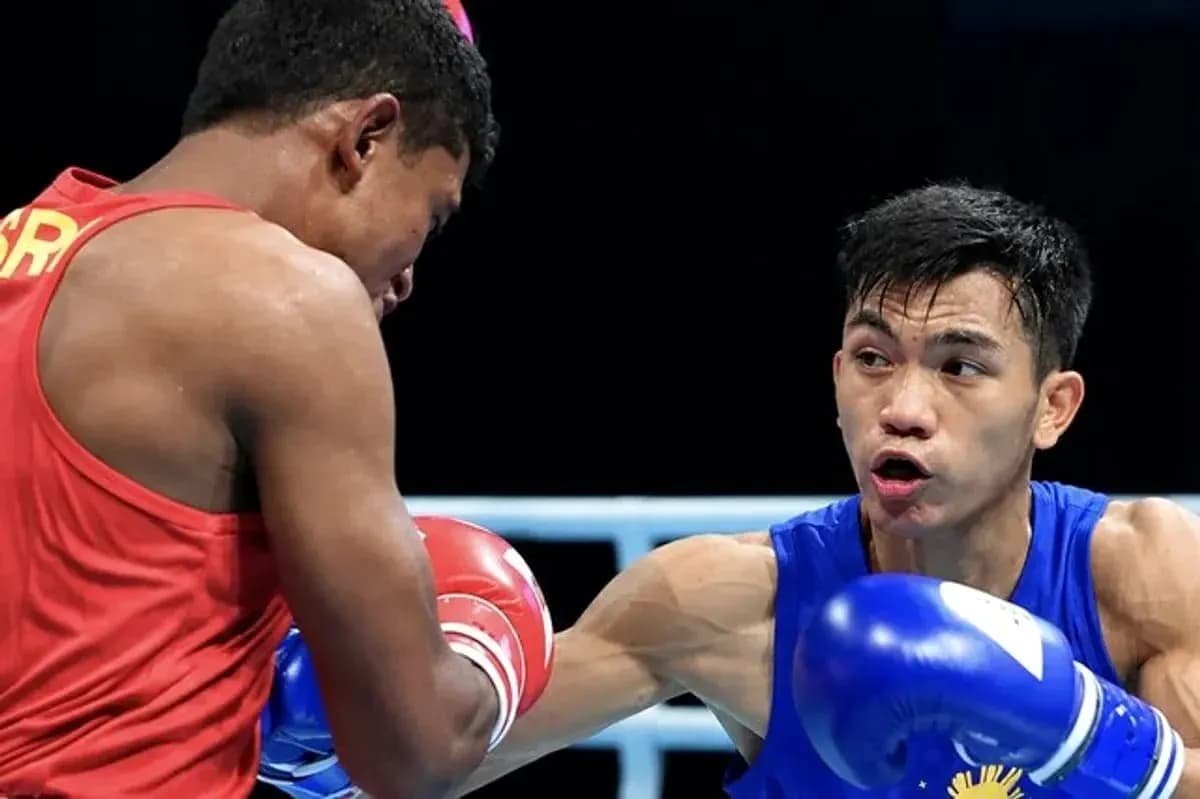
The 21-year-old Brit, unbeaten and hyped as the future of the division, tore into Hrgovic from the opening bell. He snapped in fast, sharp combinations, punching in bursts that the Croatian often didn’t see coming. The challenger’s speed owned the early exchanges; Hrgovic admitted it himself.
“I was losing all the rounds,” he said. “The kid is amazing, he was so fast, you don't see his punches coming.”
Itauma’s work had the crowd roaring. His jab was crisp, his left hand busy, his feet light. Hrgovic, 34, looked like a man chasing shadows, relying on his chin and his patience as the younger fighter piled up points and confidence.
But the clock in heavyweight boxing always ticks a little louder. And Itauma had never heard it past six.
The gas tank empties
The first six rounds belonged to Itauma, but they also drained him. The pace, the output, the effort to break a man who simply refused to budge all added up. As the fight moved into the seventh – the first time in his career he had been beyond six rounds – the change was obvious.
His shoulders sagged. His punches lost snap. The movement that had dazzled early began to fade.
Hrgovic had seen it coming.
“Since the first round I saw he was gassing out,” he said. “He was boxing still like an amateur. He's inexperienced, I saw he was gassing out and I knew my only chance was to stay there, to make him tired, to keep coming and to maybe stop him later on. That's what I did.”
The Croatian didn’t need to win the early rounds. He just needed to survive them. His chin did the rest. Itauma, for all his talent, could not dent it.
Hrgovic turns the screw
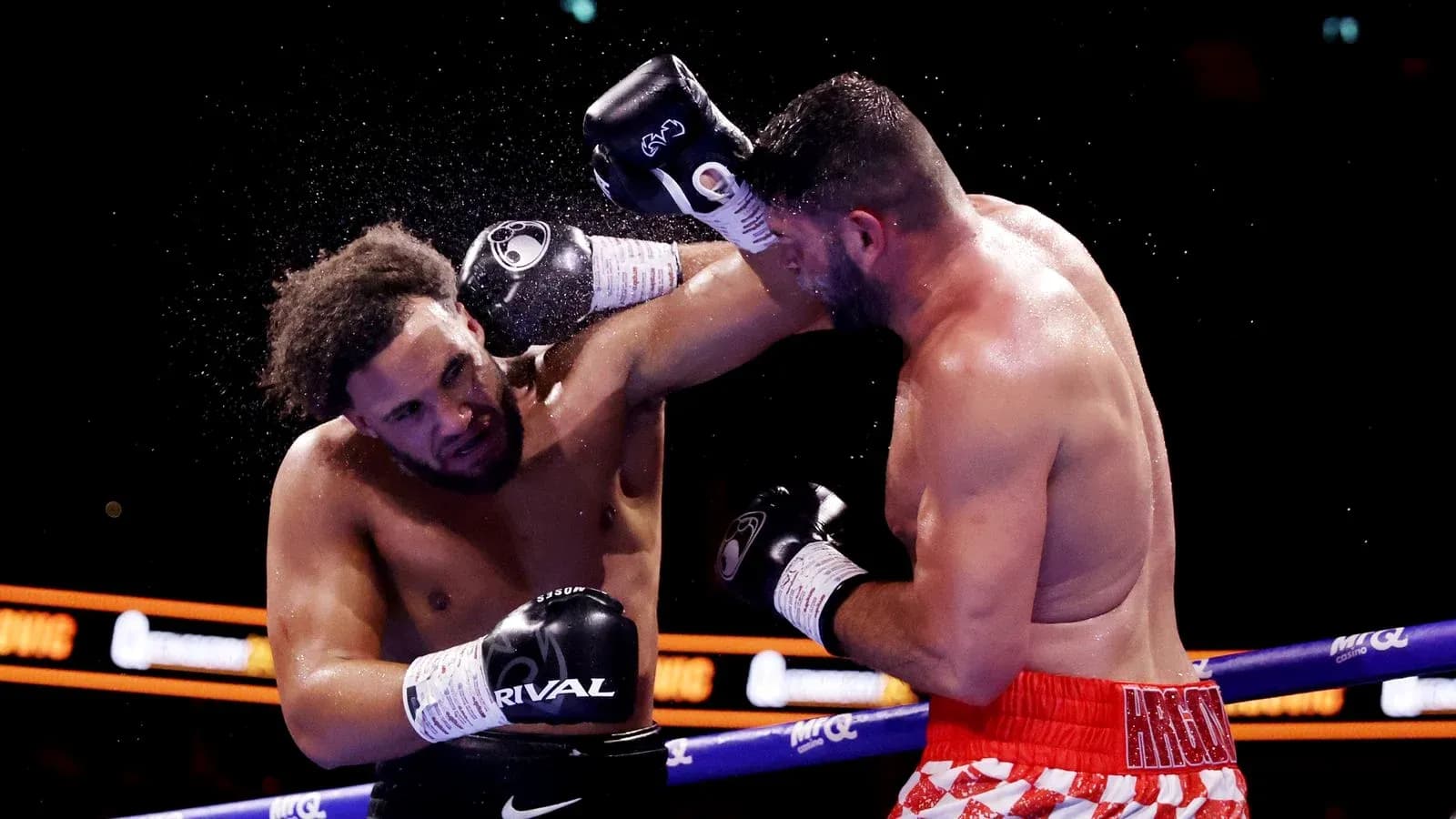
As Itauma’s legs slowed, Hrgovic’s belief surged. He pressed forward, took more risks, and began to land with heavier, more authoritative shots. The fight’s rhythm flipped. Where Itauma had once dictated, he now reacted.
The pressure finally told in the ninth.
Hrgovic, smelling the end, poured it on. The shots were not wild; they were measured, punishing, and relentless. Itauma, exhausted and damaged, could not keep him off. With their man under sustained fire and running on empty, the Briton’s corner made the decision. The towel came in. The referee waved it off.
Hrgovic had his moment. A world title at last. A vacant IBF heavyweight belt now around his waist. And a stunned arena forced to process the brutal reality of elite heavyweight boxing: promise alone is never enough.
“I came to London, his hometown, against the most talented guy in the division and I beat all the odds,” Hrgovic said. “I want to be considered the best heavyweight in the world, and this is my time. I am the best. I am the present and he is the future.”
Health scare and hard questions for Itauma
The drama did not end with the stoppage.
Itauma was carried from the ring on a stretcher and taken to hospital as a precaution. It underlined the intensity of a fight that had been fought at a ferocious pace for as long as his body allowed.
By Sunday morning, there was relief. Queensberry Promotions confirmed that he had left hospital and was back home.
“Moses is well. He left the hospital last night and is back at home with his family,” a spokesperson said.
Promoter Frank Warren stressed that fighter safety had come first.
“That's what we always do to make sure because the most important thing is the boxer's health,” he said. “He's done something to his leg as well and he was quite tired. It was a high-paced, fast fight for both the guys. It was just edge of your seat stuff all the way through.”
Itauma had entered the ring chasing history, aiming to become Britain’s youngest ever heavyweight world champion. He left with his first professional defeat, a damaged leg, and the kind of psychological blow that can linger.
Warren knows the rebuilding job ahead.
“I don't know what he's going to say. I'm sure he's a fighting man. He showed that right to the end,” he said. “I don't even know how he feels mentally. Mentally, he's going to be completely down. We're going to have to talk to him and lift him and see what he's like.
“It's going to take some time. He's going to have a nice break. It's not even the time to talk about it with him at the moment. It's something we're probably doing in two weeks or even a month's time, see where we go with it.”
The technical lesson is clear: Itauma must learn how to pace himself against durable, world-level opposition. The talent is not in question. The engine, the experience, and the management of a long, hard fight now become the focus.
A champion with options, a contender with time
Hrgovic, meanwhile, has no intention of slowing down. He called Itauma “the most talented guy in the division” but made it equally clear that he sees himself at the top of the mountain.
“I want to fight for unification against Dubois or Agit Kabayel. I want to go for unification, that's what I want,” he said.
Before any of that, the new IBF champion must deal with the organisation’s mandatory challenger, Frank Sanchez. Another dangerous, skilled operator. Another test of a champion who believes his time has finally arrived.
One man leaves The O2 as the present. The other was reminded, harshly, that he is still the future. How quickly that future comes now depends on how Moses Itauma responds to the first real crisis of his professional life.