Daiya Kira Claims WBA Light Flyweight Title with Seventh-Round Stoppage
Daiya Kira floors Carlos Cañizales to claim WBA light flyweight crown in five-fight surge
In a sport that usually makes young contenders wait their turn, Daiya Kira refused to stand in line.
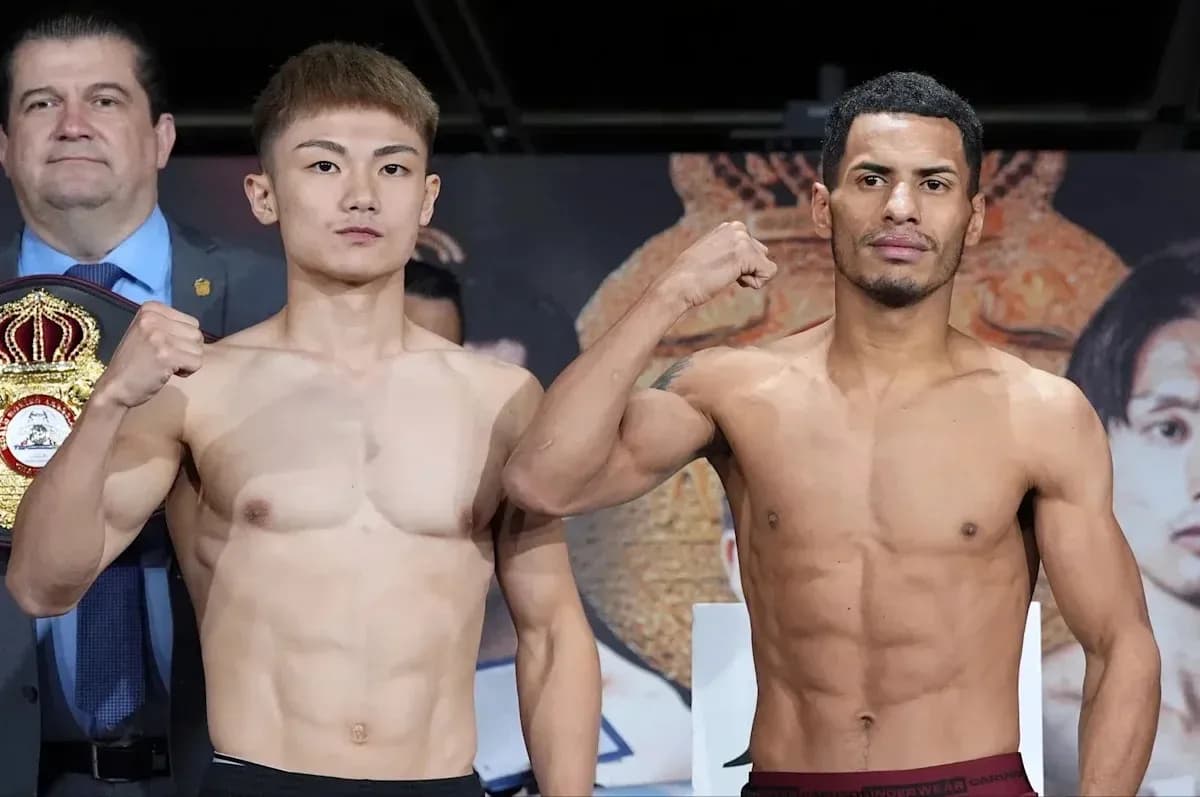
On just his fifth professional outing, the 22-year-old Japanese prospect ripped the WBA light flyweight title from seasoned campaigner Carlos Cañizales with a ruthless seventh-round stoppage at the Buntai in Yokohama on September 2, announcing himself as a new force at 108 pounds.
The end came quickly once it arrived.
Early in round seven, Kira detonated a sharp left hook upstairs that sent Cañizales crashing to the canvas. The Venezuelan, a veteran of world level with 33 fights behind him, dragged himself upright, but his legs betrayed him. Referee Raul Caiz Jr. took one look, waved it off at 0:38 of the round, and spared him further punishment. Kira, now 5-0 with 4 knockouts, had a world title wrapped around his waist.
A vacant throne, a new owner
The belt itself had been waiting for a new champion. The WBA had stripped René Santiago earlier this year after the Puerto Rican suffered an injury that left the title vacant. Opportunity doesn’t often knock this loudly so early in a career. Kira smashed the door down.
Ohashi Promotions staged the bout in front of a lively Yokohama crowd, with fans in Japan watching live on Lemino and viewers in Venezuela tuning in via Meridiano Televisión. On paper, it looked like a steep climb: Kira, the unbeaten newcomer, against Cañizales, 28-4-1 (20 KOs), who had mixed with some of the best in the division.
Once the bell rang, the gap in experience didn’t matter.
Slow burn, sudden violence
The opening round offered little in the way of fireworks. Both men probed from range, measuring distance, feinting, and pawing with jabs. Punch output stayed low, each fighter wary of overcommitting and walking into something heavy.
By the second half of round two, the temperature rose. Kira began to step in behind his shots, testing Cañizales’ reactions. The Venezuelan tried to answer with his own bursts, but the rhythm of the fight was starting to bend toward the younger man.
Then came the third.
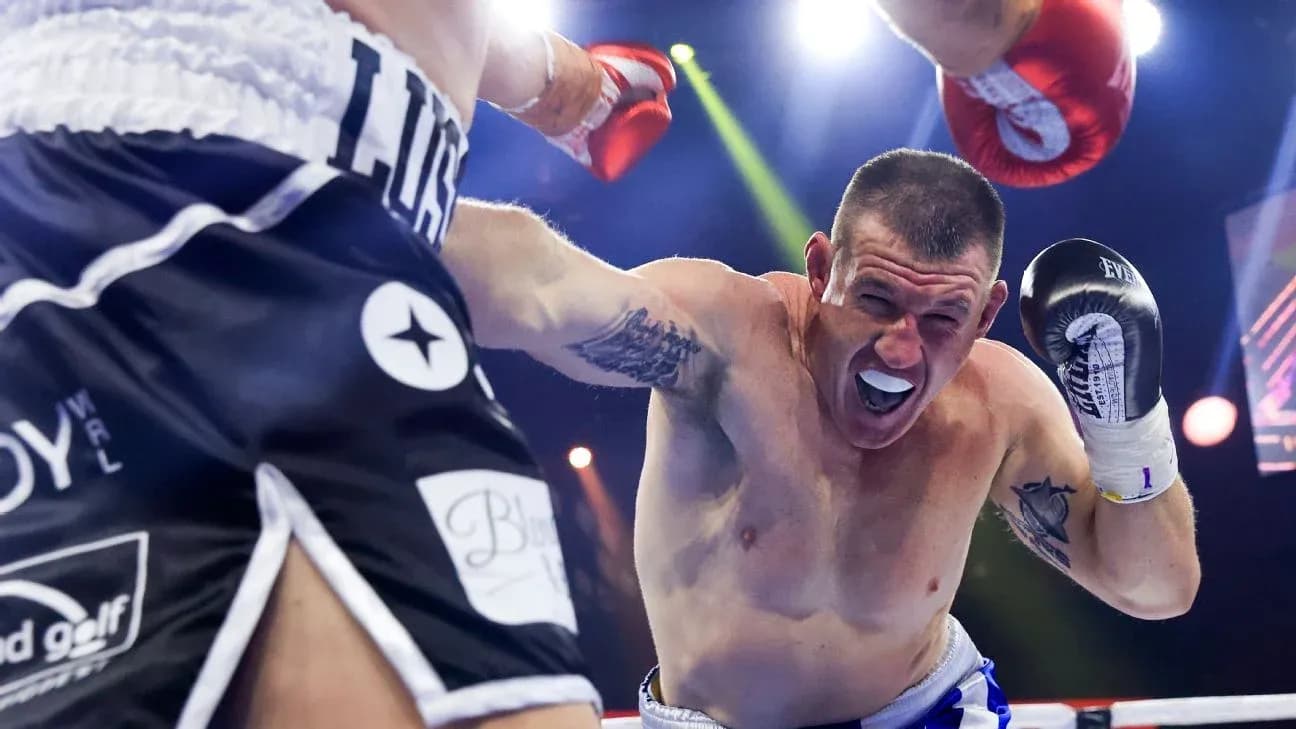
Cañizales, looking to stamp some authority on the contest, launched an overhand right. It missed its mark. Kira made him pay with a thudding overhand left that sent the former champion to the canvas. That knockdown changed everything. From that moment on, Kira was not just in the fight; he was in command of it.
Kira takes the inside track
Cañizales never quite recovered control. Each round, Kira found more ways to close the distance, slipping inside and outworking the older man. The Venezuelan tried to reset, to use his experience, but his offense came in patches while Kira’s workrate and timing grew more assured.
The Japanese fighter didn’t rush recklessly. He picked his moments, stepped around, and kept Cañizales turning, forcing him to fight at a pace he didn’t enjoy. The pressure wasn’t wild, but it was constant enough to wear on a fighter who needed space and rhythm.
By the time round seven began, the pattern was clear: Kira was dictating, Cañizales was reacting. The decisive left hook arrived as a natural conclusion, not a lucky punch.
One shot, one collapse, one new champion.
A new player at 108 lbs
In a division rich with skill and speed, Kira’s rise is brutally efficient: five fights, one world title, four stoppages. He has skipped the usual apprenticeship and walked straight into the elite conversation.
For Cañizales, this was a harsh reminder of how quickly the landscape can shift in the lighter weights. For Kira, it was a statement that echoed far beyond Yokohama.
A vacant belt is vacant no more. The WBA light flyweight throne now belongs to a fighter who has wasted no time getting there. The only question now is how long he plans to stay.