Casper Ruud Withdraws from U.S. Open: What It Means for His Future
Casper Ruud arrived in New York already walking a tightrope. On Sunday morning, it snapped.
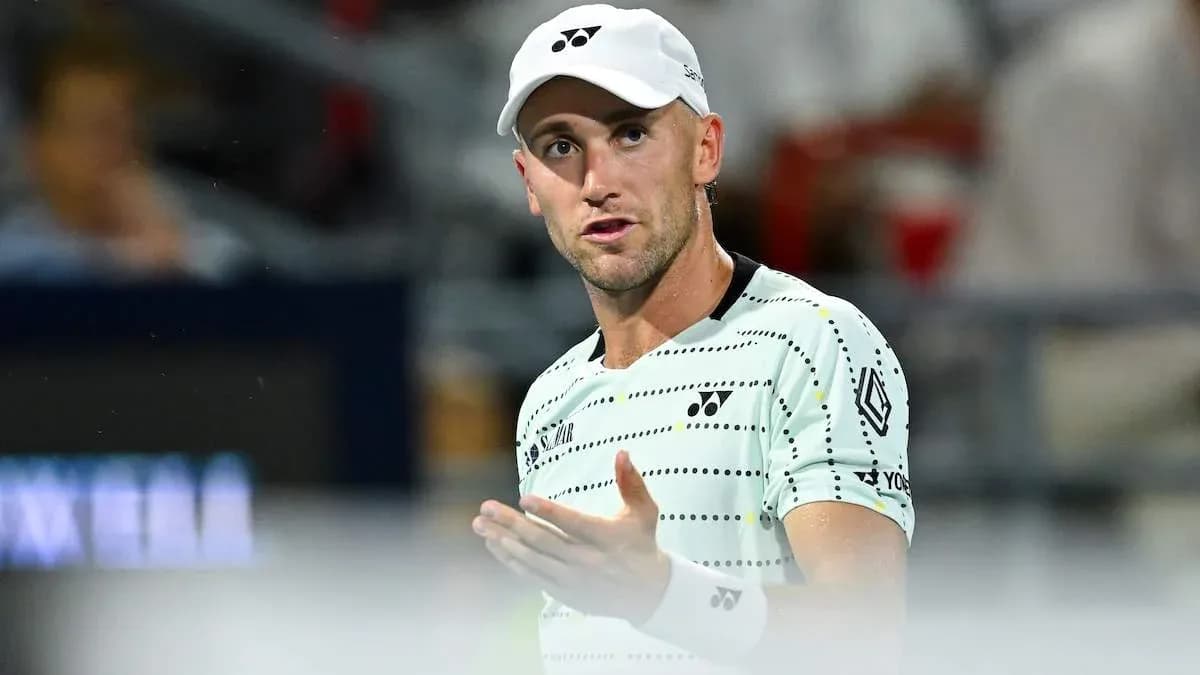
World No. 20 and former U.S. Open finalist, Ruud pulled out of the tournament before hitting a single ball in singles, scratched from his first‑round meeting with Juan Manuel Cerúndolo because of a lingering back injury. The decision, announced by the U.S. Open, hands his place in the draw to lucky loser Arthur Gea and strips the men’s field of one of its most consistent performers of the past five years.
For Ruud, this isn’t just a missed tournament. It feels like a warning light for his 2026 season.
From Cincinnati Pain to Flushing Meadows Exit
The first alarm rang in Cincinnati on August 16. Ruud led Christopher O’Connell 5-2 in the opening set, then everything tightened — not the scoreline, his back.
He took a medical timeout for lower-back pain, tried to push on, but retired trailing 7-5, 1-2. French daily L’Équipe reported the discomfort started the day before. Ruud later confirmed it on Instagram: he had “tweaked” his back in practice and could no longer move freely.
The problem never really left him.
Norwegian broadcaster NRK reported that the back trouble had first flared in mid-August, and on Sunday morning in New York, his name disappeared from the official order of play. What had been a nagging concern became a formal withdrawal.
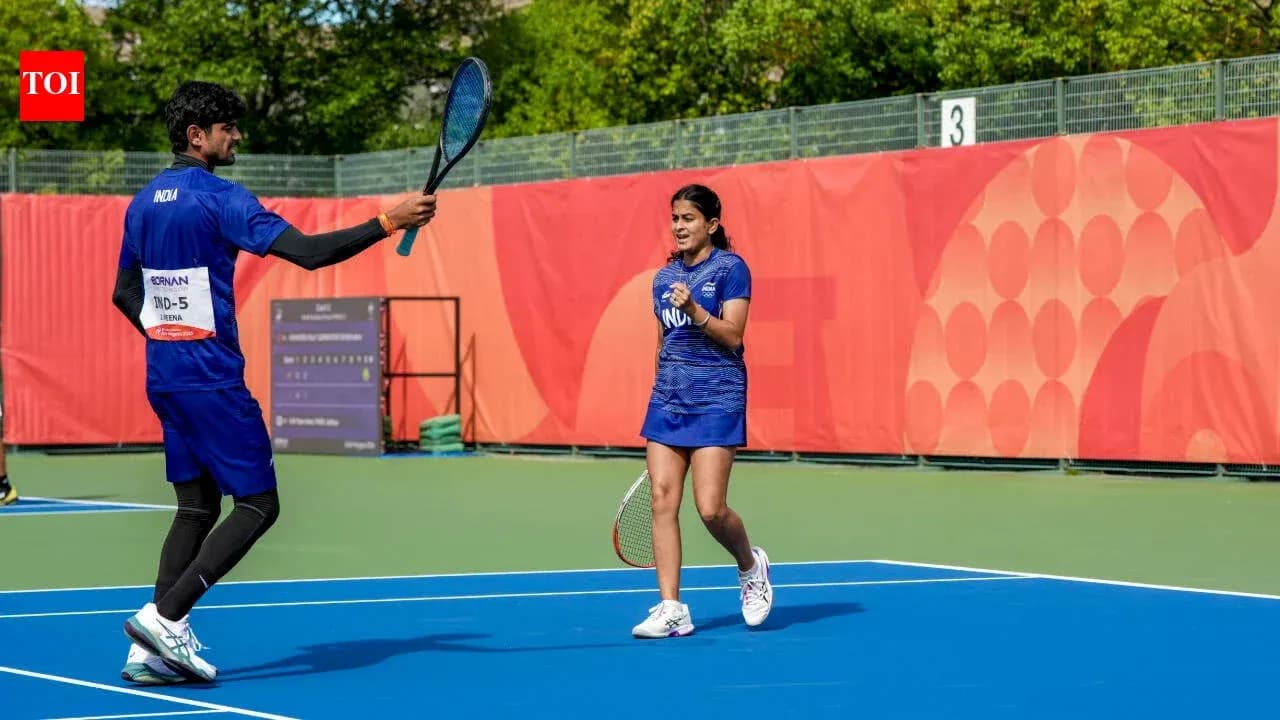
The back held up just long enough for one last push in mixed doubles. Partnering Diana Shnaider after Iga Swiatek pulled out to rest, Ruud managed to compete. They beat Jessica Pegula and Taylor Fritz in the first round and fell only in a tight quarterfinal to Mirra Andreeva and Andrey Rublev. It was a reminder of his competitive instinct, but also a hint of the gamble he was taking.
Then came the practice courts.
On August 27, footage from a session with Tomás Martín Etcheverry told a harsher story. Ruud cut the hit short after roughly 50 minutes. A social media post, cited by Tennis365 reporter Richie Mills, described a player who “couldn’t serve” and felt “considerable pain” even on groundstrokes. The body language matched the words. Every movement looked like a calculation.
By Sunday, the calculation turned into a verdict: he couldn’t go.
A Former No. 2 Stalled by a Fragile Back
Ruud entered the U.S. Open as the No. 19 seed, drawn into the same quarter as Alexander Zverev, according to injury tracker RotoWire. On paper, a dangerous floater. In reality, a man wrestling with his own body.
His current ranking — No. 20, per ESPN — only tells half the story. Two years ago, on September 12, 2022, he stood at No. 2 in the world, fresh from reaching the U.S. Open final. Between September 2021 and November 2023, he spent 113 consecutive weeks inside the top 10, the kind of residency that usually signals a permanent member of the sport’s elite.
This is the player now sidelined by a back that won’t cooperate.
Ruud’s rise has already rewritten Norwegian tennis history. Born December 22, 1998, in Oslo, he turned pro in 2015 and has been coached throughout by his father, former pro Christian Ruud. He became the highest-ranked Norwegian ever, the first Norwegian man to win an ATP title, to reach a Grand Slam final, and to qualify for the ATP Finals, as his U.S. Open player profile notes.
His résumé is loaded: 14 ATP singles titles, 12 of them on clay, including last year’s Madrid Masters. On his best days, he doesn’t just hang with the sport’s giants; he beats them.
In Monte-Carlo in 2024, he stunned Novak Djokovic in the semifinals, 6-4, 1-6, 6-4 — his first career win over a world No. 1 and the first time any Norwegian had toppled a No. 1 in ATP rankings history. At the ATP Finals later that year, he routed Carlos Alcaraz 6-1, 7-5 in the group stage, his lone win in six meetings with the Spaniard but a clear statement of his ceiling.
Those peaks feel a little more distant now.
A Season Already on the Slide
Even before this withdrawal, a deep run in New York looked like a long shot.
Ruud arrived with a 25-16 record in 2026 and no titles to show for it. His hard-court form had sagged badly. In Toronto, he bowed out in the third round to João Fonseca, another early marker that something was off. Since that 2022 run to the U.S. Open final, his best showings here have been a fourth-round appearance and a second-round exit.
The back issue slots into a pattern of unfortunate but intermittent physical setbacks. It’s not a chronic injury history by tour standards, but the timing has been brutal. An ankle problem forced him out of the 2022 Australian Open. A painful left knee hampered him during a 2025 French Open loss to Nuno Borges. Each time he has rebuilt, climbed again, only to be checked just when momentum returns.
This latest blow lands at a moment when he could least afford it. The ranking buffer from his top-10 years has thinned. The tour keeps churning out new threats. Points from past successes won’t protect him forever.
For now, Arthur Gea steps into Ruud’s place in the draw, a lucky loser suddenly thrust into the New York spotlight. Ruud, instead, faces a more uncertain stage: scans, rehab, and the slow, private work of persuading a back to trust him again.
The question isn’t whether Casper Ruud can still play at the very top. His wins over Djokovic and Alcaraz already answered that. The question now is harsher: how many more times can his body let him find out?