Carlos Alcaraz Triumphs in US Open Return
Carlos Alcaraz walked back into Arthur Ashe Stadium carrying four months of doubt on his right wrist and walked out looking every inch a defending champion.
No competitive singles since April. No French Open. No Wimbledon. A wrist injury that lingered long enough to turn the entire summer into a medical bulletin. Yet on opening night in New York, under the hard lights and louder expectations, he dismantled Roman Safiullin 6-4 6-4 6-4 and reminded the men’s draw that his name still sits on the trophy.
Alcaraz returns – and answers the big question
The question wasn’t whether Alcaraz could still hit the ball. It was whether his body would let him do it for best-of-five again.
“There were some doubts in the match, I'm not going to lie. Thinking about if I would last the match, best of five, playing four or five sets,” he admitted afterwards. The honesty matched what everyone had been thinking. Could he really go deep here, straight out of rehab and back into the chaos of Flushing Meadows?
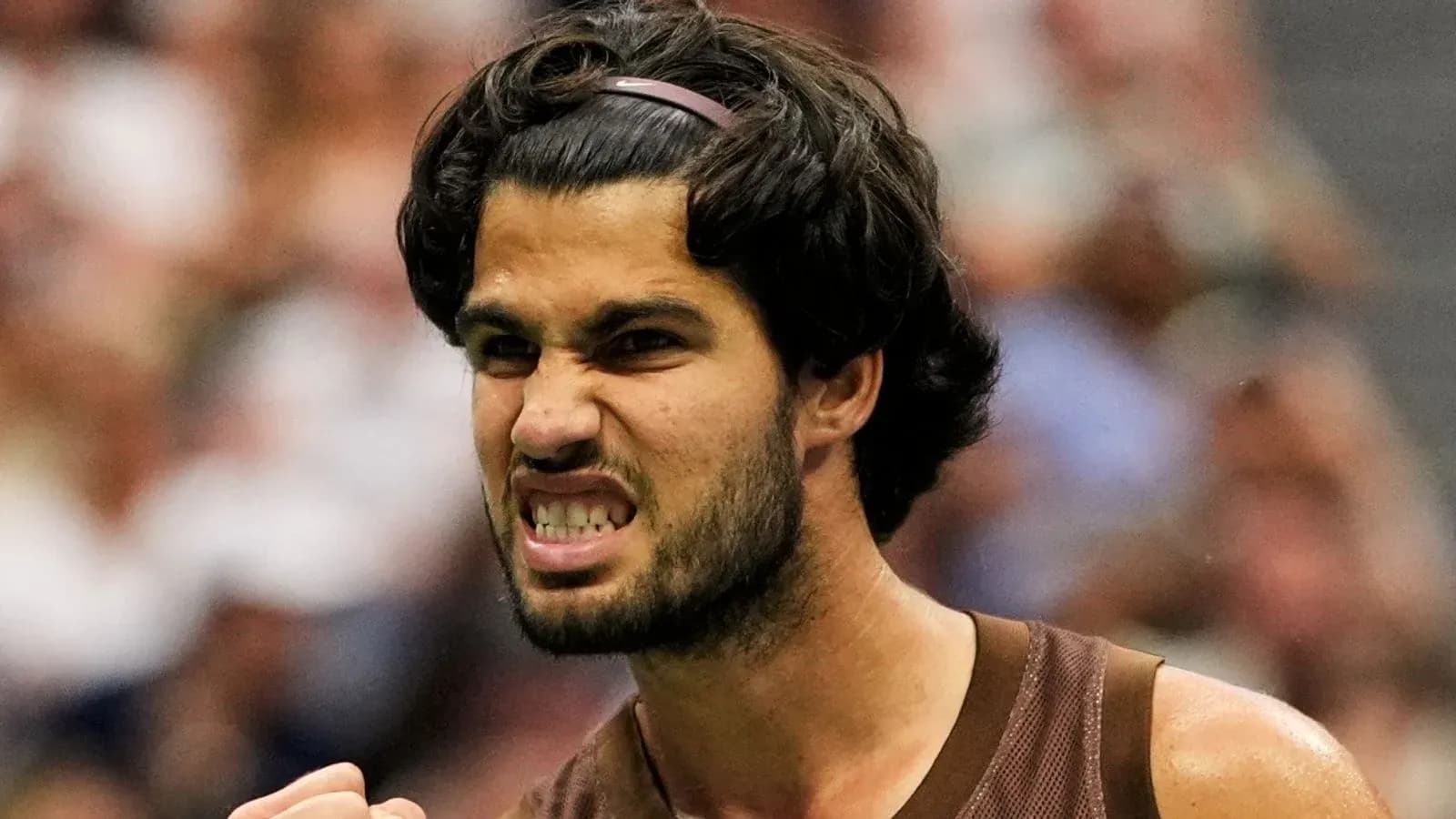
He chose not to tiptoe his way in. Watched by rapper Travis Scott, who helped design his brown outfit for this fortnight, Alcaraz played with his usual swagger but had to ride out an edgy start. Safiullin carved out two early break points across the Spaniard’s opening three service games, testing the wrist, the timing, the nerve.
The forehand held. The serve held. The belief followed.
At 4-4 in the first set, the pressure finally snapped on the Russian’s side. Alcaraz broke in the eighth game, then shut the door behind him to take the opener. It wasn’t vintage highlight-reel stuff, but it was exactly what a player coming off a long lay-off craves: a tight set, a late break, and the feeling of control returning.
Rhythm restored
The second set bit back. Safiullin struck first, breaking to start the set and briefly silencing the buzz. Alcaraz’s response was instant. He broke straight back, tightened his patterns, and began to hit through the court with more conviction.
Again, the eighth game turned into his playground. He surged forward, broke Safiullin for a second time and then served out the set with a clarity that hadn’t been there in the opening exchanges. The movement, the sliding, the explosive changes of direction – the trademarks that had been under the microscope – all started to look familiar again.
By the third set, the match belonged to him. An early break gave him the scoreboard cushion he needed, and from there his serve never wobbled. Safiullin, a dangerous floater on a hard court, kept swinging, but the window had closed. Alcaraz protected his lead with authority, barely offering a look at his serve as he closed out the match in straight sets.
“I tried to forget everything and focus on the things I needed to improve,” he said. “Physically I felt really well.” On night one, that was the headline: not the shot-making, but the body language. The defending champion moved like a man who expects to be here for two weeks, not one match.
Next up is Portugal’s Jaime Faria, a very different test but a far less daunting one than the questions his own wrist had been asking.
One potential threat in his half, Arthur Fils, is already gone. Fresh from lifting the Cincinnati Open title, the Frenchman arrived as one of the form players on tour, only to be bundled out by Stefanos Tsitsipas 4-6 7-6 (7-3) 6-1 6-4. A sizeable obstacle in Alcaraz’s projected path vanished before the first week had even settled.
Sabalenka starts her three-peat chase
On the women’s side, Aryna Sabalenka stepped onto the same stage with a different kind of weight on her shoulders. She isn’t just defending a title; she is chasing history.
No woman has won three straight US Open crowns since Serena Williams in 2014. Sabalenka has made no secret of how much she thrives on hard courts, and she opened this campaign with a 6-2 6-4 win over Colombia’s Camila Osorio that was far more demanding than the scoreline suggests.
Osorio pushed hard in the second set, dragging Sabalenka into longer rallies and forcing her to find extra gears under pressure. The Belarusian’s response was blunt and familiar: hit through the ball, hit through the nerves.
“Camila is a tough opponent but I was ready to do whatever it takes to get the win,” she told Sky Sports Tennis. “A fun and tough match but happy to get through in straight sets.”
The scrutiny around her form has grown in recent weeks. Three straight last-16 exits – at Wimbledon, the Canadian Open and Cincinnati – have opened the door for a rankings shake-up. Elena Rybakina, Coco Gauff and Jessica Pegula all arrive here with a mathematical chance to knock Sabalenka off the world No 1 spot she has held since October 2024.
Hard courts, though, remain her territory. All four of her Grand Slam titles have come on this surface, and when her raw power lands, very few can stand in its way. The first hurdle is cleared. The chase for Serena’s shadow continues.
Muchova, Anisimova and the American surge
Further down the women’s draw, Karolina Muchova, last year’s Wimbledon runner-up, made a quietly emphatic start. The Czech swept past Austria’s Sinja Karus 6-3 6-0, a scoreline that hints at a player with another deep run in mind.
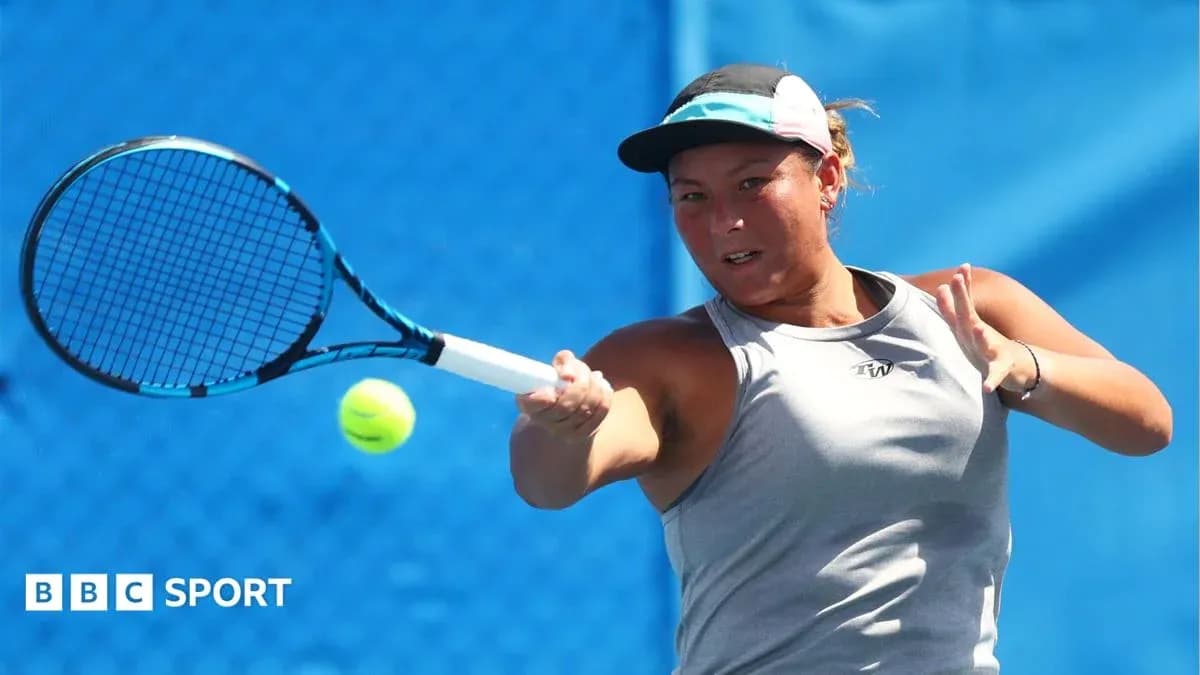
Last year’s US Open runner-up Amanda Anisimova also moved through with minimal fuss, beating fellow American Ashlyn Krueger 6-1 6-3. She was part of a strong home showing on Monday, with Emma Navarro, Taylor Townsend and Cate McNally all joining her in the second round. The American presence, often fragmented in recent years, felt unified and loud on opening day.
British grit on display
For the British contingent, it was a day for comebacks and second chances.
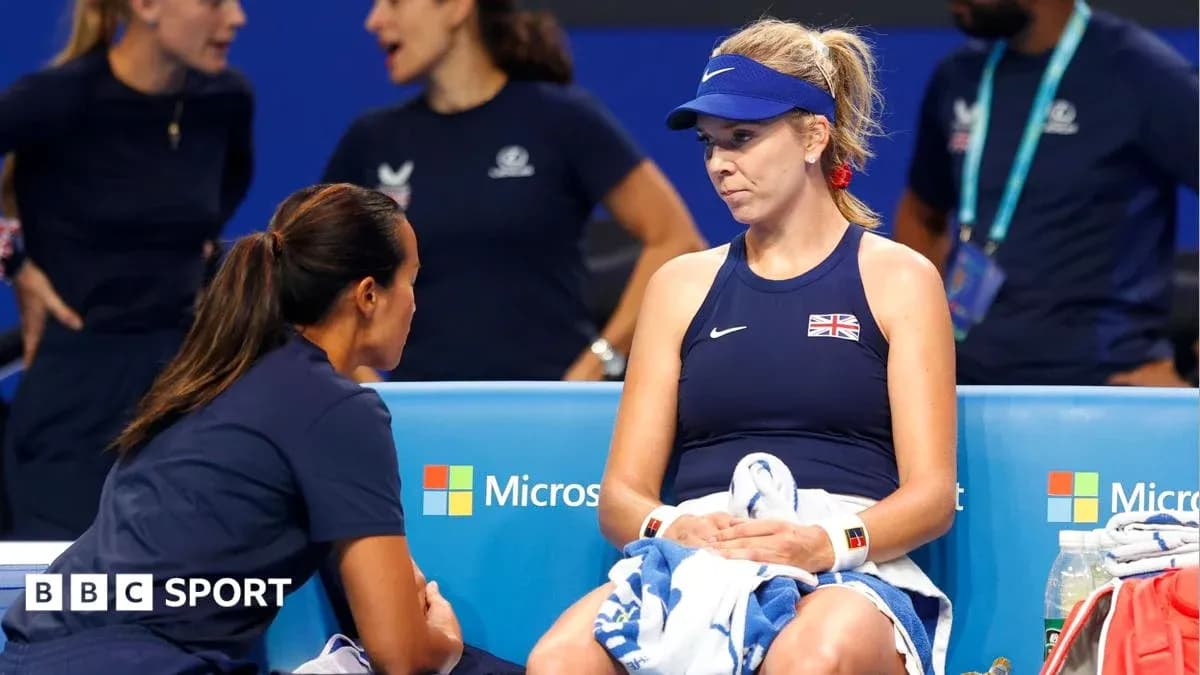
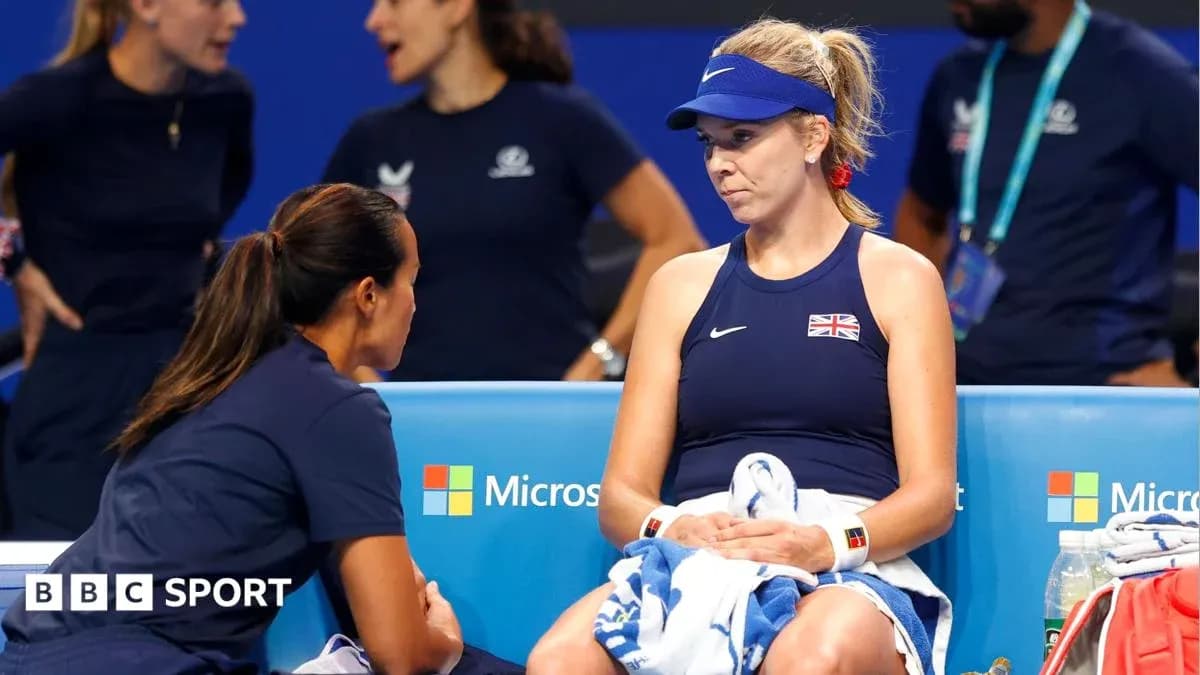
Harriet Dart looked on the brink of a quick exit when she trailed American Peyton Stearns by a set and a break. Then something snapped. Dart roared back, flipped the tempo of the match, and powered through 3-6 6-3 6-2, turning what looked like a routine defeat into one of the day’s gutsiest wins.
Her coach, Marion Bartoli, now a Sky Sports Tennis pundit, summed it up simply: “I'm really pleased for her. Such a great effort and mentally it's so hard to come back but she fought so hard. It's absolutely brilliant.” The praise felt earned. Dart didn’t just escape; she imposed herself when the match hung by a thread.
Jacob Fearnley went even deeper into the drama. The Briton beat Spain’s Martin Landaluce 4-6 6-2 4-6 7-5 6-3 in a five-set scrap that swung wildly and refused to settle.
Landaluce served for the match in the fourth set. Fearnley stole three games in a row, forced a decider, and then carried that surge into the fifth. Even when he fluffed a routine smash on match point – the kind of miss that can haunt a player – he steadied himself, reset, and finished the job.
For a man who technically shouldn’t have been in the main draw at all, it felt like found money. Fearnley lost in qualifying last week but slipped into the field as a Lucky Loser. He played like someone who knew it.
“I saw it like I had nothing to lose and was playing on house money a little bit,” he said. “That's what I told myself to ease the nerves and give my best effort. Super grateful for the second chance and glad I could make good use of it.”
A return to the world’s top 100 now looms as a realistic reward.
Opening day at the US Open rarely settles anything. What it does, at its best, is set the tone. Alcaraz’s wrist held firm, Sabalenka’s power held true, and a couple of Britons refused to bow to the script. If this is the opening act, what happens when the pressure really starts to bite in week two?