Bryant Jennings: One Last Heavyweight Run in Detroit
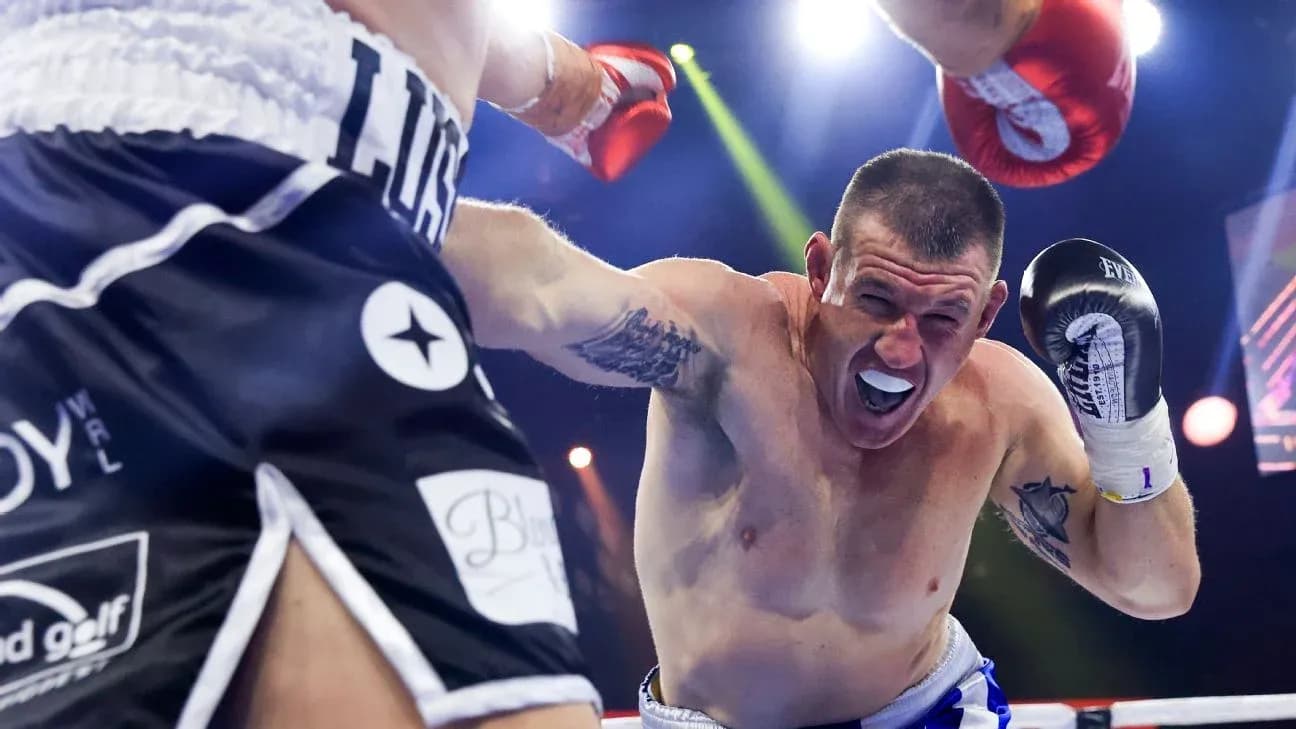
Bryant Jennings has always done things the hard way. That feels fitting this week, because at 41, walking into Detroit’s Fox Theatre for a ten-round main event against Brandon Moore, he’s chosen the hardest road of all: one last run, with no safety net.
He calls it a “win-or-go-home situation.” At this stage, that’s not a slogan. It’s a career line in the sand.
The last Philly throwback
Jennings comes from a city that still casts a long shadow over heavyweight boxing. Philadelphia gave the sport Joe Frazier, Bernard Hopkins, Matthew Saad Muhammad, Dwight Muhammad Qawi, Jersey Joe Walcott, Danny Garcia, Julian “J-Rock” Williams, and now Jaron “Boots” Ennis. A roll call of grit, guile, and bad intentions.
Ask Jennings about being a Philly fighter, though, and he’ll push back on the clichés. The “Philly shell” made famous by Floyd Mayweather Jr. might be the most recognizable export—a lead hand low across the body, rear hand tight to the chin behind a rolled shoulder—but for him, the city isn’t a stance. It’s a state of mind.
“I wouldn’t say that a certain style defines Philly boxing anymore; maybe a demeanor or attitude or some other attribute you can't exactly put your finger on,” he said recently.
He’s probably right. Philly boxing has always been more attitude than textbook. Technically sharp enough to outbox you, mean enough to beat you however the night demands. Spar in a freezing gym. Run through rough neighborhoods before dawn. Hit racks of beef if you have to—Sylvester Stallone made it cinema in Rocky, but Joe Frazier did it for real.
One detail has carried through generations: the refusal to sit down between rounds. Old-time Philly fighters did it. Jaron “Boots” Ennis still does. Jennings, in his own way, fights with that same stubborn posture. Stand up. Take what’s coming. Don’t complain.
From the Federal Reserve to Klitschko
Jennings didn’t grow up as a blue-chip amateur. Before he ever fought for a world title, he worked maintenance at the Federal Reserve Bank of Philadelphia, clocking in at 7:30 a.m., punching a timecard long before he punched opponents.
He only started boxing in 2009. Six years later, he stood across from Wladimir Klitschko, one of the most dominant heavyweights of his era, under the bright lights and global cameras.
“I don’t think anything went wrong that night with Klitschko,” Jennings said. “I think it was a good opportunity for me, I had only started boxing in 2009, and in 2015, to be in a position to face Klitschko was a great opportunity. If I hadn’t taken that opportunity, who knows if I would have got a chance to face him with the time remaining in his career.”
Klitschko was 39 then, already in the twilight of his reign. Jennings pushed him, came up short, but walked away with respect and the knowledge that he belonged at that level.
He went straight back into the fire, challenging Luis Ortiz for the WBA heavyweight title that same year. Again, he fell just shy of the mountaintop. Those nights can break a fighter. For Jennings, they became part of the story: the bank worker who got to the very edge of the sport’s most glamorous division, twice.
Five years out, one more shot
The climb took its toll. A disputed loss to Joe Joyce in 2019 halted his momentum and, for a while, his career. Jennings walked away for five years. No farewell tour, no long monologues about being avoided. Just silence.
During that time, he says he learned a lot about himself. Away from the gym. Away from the noise. When he finally came back in 2024, it wasn’t as a prospect or a rising contender. It was as a veteran who understood exactly what was left and what was at stake.
Now he returns under the lights in Detroit, live on Wynn Records Network, older than Klitschko was when they shared a ring. The roles have flipped. Jennings is the seasoned man in the twilight, trying to hold off a younger, hungry contender in Brandon Moore.
Bad blood in Detroit
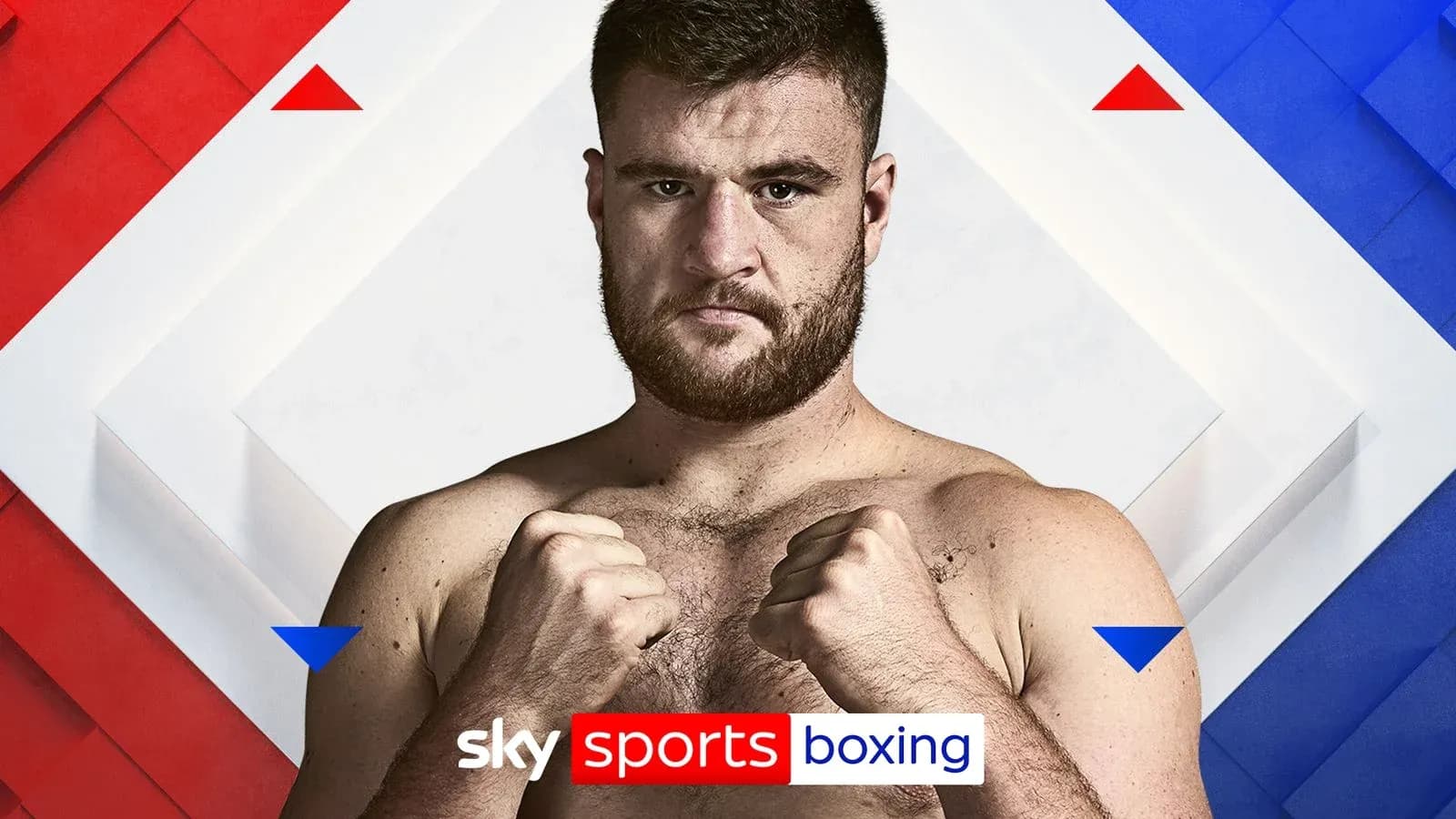
Moore is not just another name on the bout sheet. There is history here, and not the friendly kind. The two clashed in a training camp in Dubai, and the friction never really cooled. Barbs have flown back and forth throughout the build-up, the kind of simmering resentment that can turn a tactical fight into a personal one.
Jennings isn’t the type to collect former opponents as friends. Moore is unlikely to be the exception.
This is what makes Saturday so sharp-edged. It’s not only about rankings or a possible route back to a world title shot, though Jennings openly admits he would “definitely love to fight for a heavyweight world title” again. It’s about legacy. About proving that the years away didn’t drain the fight out of him. About showing that a man who once went from the Federal Reserve to the heavyweight summit still has one more climb in his legs.
He knows the equation. At 41, there are no rebuilding phases. No “learning fights.” Beat Moore, and the door to something big creaks open again. Lose, and the “win-or-go-home” line becomes more than a soundbite.
For a fighter shaped by a city that celebrates standing between rounds, the choice in Detroit is simple: stand tall one more time—or sit down for good.
Perhaps that’s the most Philly thing of all.