BCCI Reviews IPL Impact Player Rule Amid Divided Opinions
The most divisive idea in recent IPL history is back on the table. Quietly, but decisively.
The Board of Control for Cricket in India (BCCI) has written to all IPL franchises, asking for formal feedback on the Impact Player rule – the 12th-man innovation that has split opinion across dressing rooms and commentary boxes alike. Teams have been given until Monday, August 31, to send in their views, with the rule now facing its most serious review since it was introduced.
This is not a routine housekeeping email. Not this time.
A Rule That Changed the Shape of Games
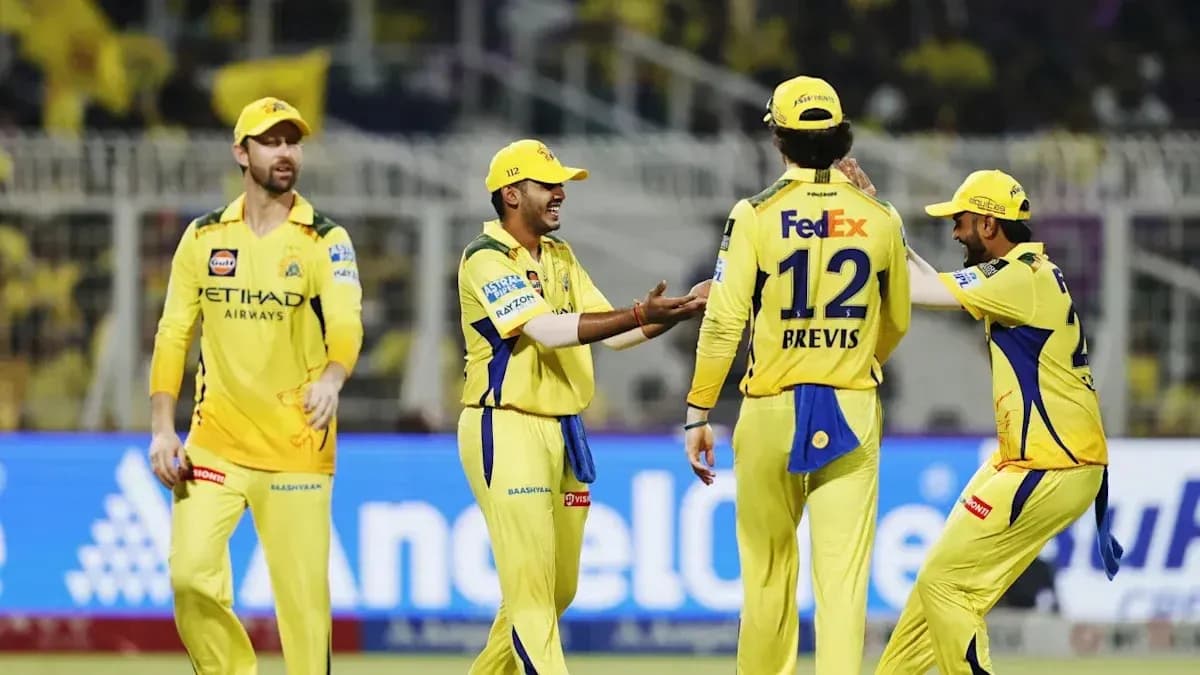
The Impact Player clause has altered the way teams build XIs, chase totals and protect scores. Last season, the tournament was flooded with high-scoring games, with bowlers repeatedly exposed as batting depth grew and tactical substitutions tilted the balance. Concerns over “hapless bowlers” became a recurring theme as captains used the extra batter or specialist bowler to stretch the limits of conventional T20 strategy.
The BCCI has always collected end-of-season feedback from franchises on broad cricket operations. That part is standard. What stands out now is the sharp focus on this single rule, one that many inside the league assumed was locked in for at least another year.
At last year’s pre-season Captains’ Meeting, IPL officials had indicated that the Impact Player regulation would stay for one more season. The latest communication, which cites that very meeting, hints at a possible rethink.
Divided Dressing Rooms, Uncertain Future
The rule has not been short of critics. Senior India and IPL figures such as Rohit Sharma, Hardik Pandya, Axar Patel and Shubman Gill have publicly voiced their opposition, arguing that it distorts the balance of the game and reduces the role of all-rounders.
Yet the Impact Player is not without support inside the ecosystem. Some franchises and coaches see it as a tactical weapon, a way to keep matches alive and audiences engaged deeper into the evening. That quiet backing has helped the rule survive the early backlash.
Now, with the BCCI explicitly inviting structured feedback, the debate moves from soundbites to formal submissions. The question is no longer who likes it and who doesn’t. It is whether the rule survives into the next season in its current form, gets tweaked, or is scrapped altogether.
For the moment, that remains unresolved.
Inside the BCCI Communication
The mail sent to franchises frames the exercise as part of an agreed process from the IPL 2026 Captains’ Meeting.
“As discussed in the IPL 2026 Captains’ Meeting, it was agreed that feedback would be collected from all franchises at the conclusion of the tournament on key cricket operations matters. Accordingly, we request you to discuss the following areas with your Cricket Operations teams and share your consolidated feedback with us,” the BCCI/IPL note states.
The board has asked teams to respond by August 31.
“Kindly ensure that your feedback reaches us by 31 August. This will help us compile inputs from all franchises and take forward the necessary review and action points ahead of the next season,” the communication adds, underlining that this is not a box-ticking exercise but a step towards “review and action points.”
The message ends with a clear expectation: replies must land within the stipulated timeline.
Beyond Impact Player: PMOA, Umpiring and Match-Day Control
The Impact Player might dominate the headlines, but it is not the only item on the BCCI’s agenda.
Franchises have also been asked to share views on PMOA (Player and Match Officials Area) matters, umpiring standards, practice sessions and playing conditions. The league’s integrity and match-day discipline have come under scrutiny after a series of breaches last season.
One of the major flashpoints was the violation of Anti-Corruption rules, with unauthorised individuals spotted inside the PMOA. Those incidents forced the BCCI to issue mid-season guidelines to players, support staff and even team owners, tightening movement and access around the most sensitive zones on match days.
In the latest communication, the board lists these PMOA concerns under a broader ‘Match Day Matters’ heading, which also includes catering and other operational issues. The message is clear: the IPL wants cleaner, tighter, more controlled match environments, both on and off the field.
A Rule at the Heart of the League’s Identity
The Impact Player debate cuts to the core of what the IPL wants to be in its next phase. Is it a league that pushes innovation to the edge, even if it warps traditional roles? Or one that reins itself in to protect the purity and balance of the contest?
By putting the question formally to the franchises, the BCCI has shifted the responsibility back to the teams who live with the rule every night of the season. Their responses over the next few days will shape not just a clause in the playing conditions, but the very rhythm of how IPL games are played next year.