Barcelona's Champions League Ambitions: Rodri's Realism and Challenges
Barcelona have reclaimed their domestic throne, but Europe still refuses to bow.
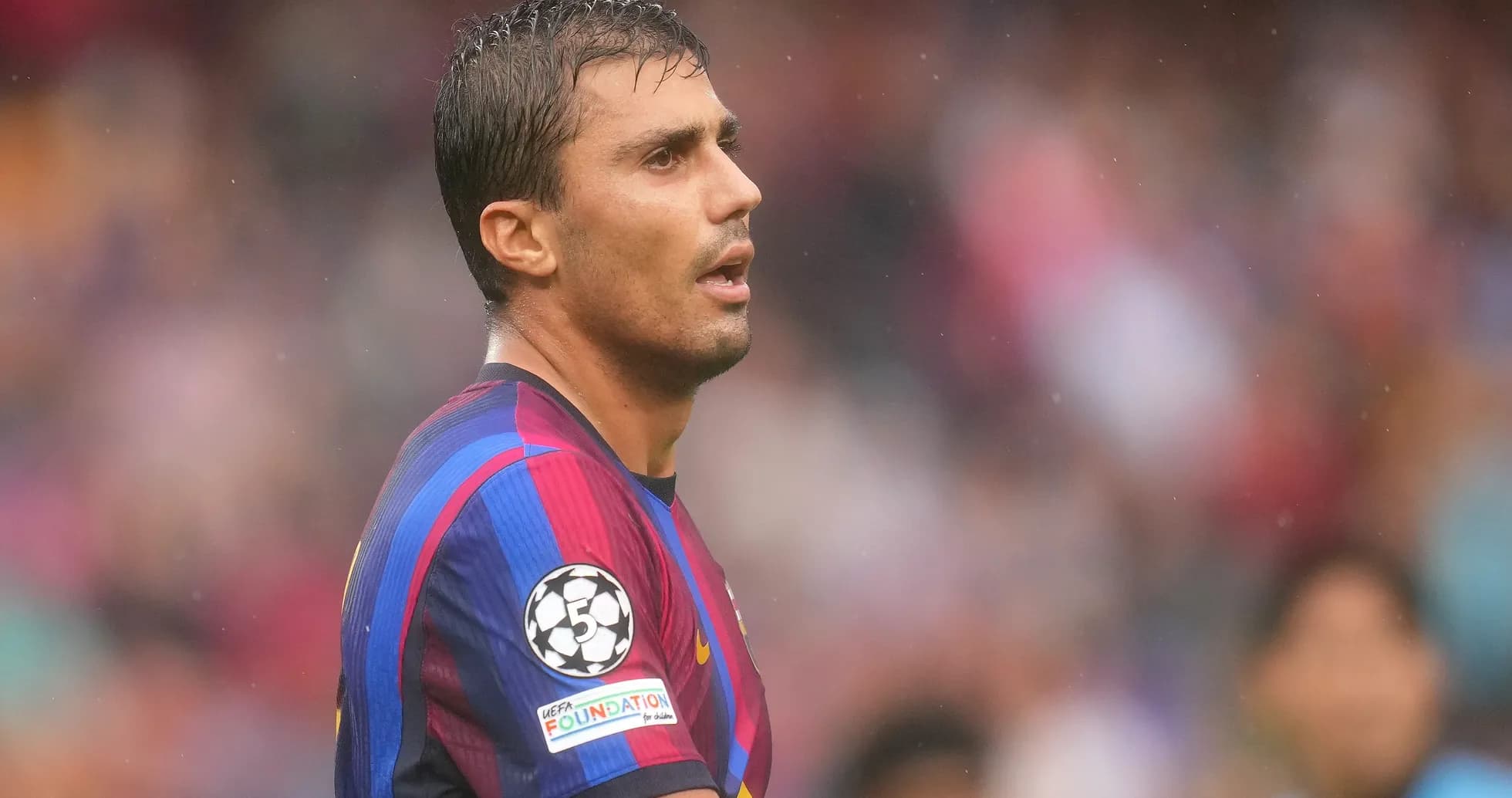
Two straight La Liga titles have restored a sense of authority at home, yet the Champions League – the trophy that once seemed to belong in their cabinet by default – has stayed stubbornly out of reach for 12 long years. That drought framed every major decision this summer, none more so than the high-profile arrival of Rodri from Manchester City.
The Spain captain did not come to Catalonia for comfort. He came for the hardest prize of all.
Rodri’s realism amid Barcelona’s ambition
Rodri has slipped into Barcelona’s midfield as if he had always been there, dictating tempo, shielding the back line, setting standards. On the pitch, he already looks like a reference point. Off it, his words cut through any romanticism about an instant European coronation.
“The Champions League is achievable, but I don’t think we’re favourites,” he told Mundo Deportivo, a line that lands with the weight of someone who has climbed that mountain before. He sees the trophy as a realistic objective, the “final step” this team must take to “establish ourselves and show Europe what kind of team we are.”
That last phrase matters. This is not the Barcelona of Messi, Xavi and Iniesta sweeping all before them. This is a side still trying to define itself at the very top level, still bruised by recent exits that veered from chaotic to self-inflicted.
Rodri made it clear: talent alone will not fix that.
“You have to understand where we’re coming from and what it takes to become champions,” he warned. “This team still needs to polish several things to win it.” His own arrival, he said, is partly about helping the group grow, bringing the kind of detail and mentality that separates contenders from winners when the margins shrink to inches.
Lessons from painful exits
Those margins have repeatedly gone against Barcelona in Europe. Inter. Atletico Madrid. Names that now sit in the club’s modern Champions League psyche for all the wrong reasons.
Defensive lapses at key moments. Red cards. Penalties conceded. A sense of emotional unraveling when the pressure spikes. These are not structural rebuild issues; they are game-management scars.
Rodri did not dress it up. The Champions League, he said, is “a tournament of moments, and understanding those moments.” The best team on paper does not always win it. The team that reads the tie, that survives the storm, often does.
He sees that as Barcelona’s biggest area for growth. And crucially, he has not joined under any illusion about the scale of the task. “If you ask me whether we have a chance, that’s why I came here,” he said. It is both a declaration of intent and a reminder that nothing will be handed to them.
Pragmatism over spectacle
For a club whose identity has long been tied to attacking flair and positional play, Rodri’s tactical emphasis lands like a quiet challenge.
“It’s about controlling those moments that make the difference in a tie,” he explained. Knockout football, in his eyes, demands a colder edge: manage red cards, avoid reckless penalties, limit the damage when the opposition surges. Survive, then strike.
“Perhaps it’s better not to be quite as good offensively but to be more consistent and more solid,” he added. The recent winners of the competition, he pointed out, have shown exactly that: disciplined, compact, ruthless when it matters. That, he insists, is where Barcelona still have “room to improve” – and where he is “sure we will.”
It is a subtle but significant shift in tone. This is not about abandoning attacking football, but about accepting that romantic ideals alone do not carry you through a two-legged tie in March or April.
The price of experience
Rodri speaks from a place of hard-earned experience. His own journey to Champions League glory with Manchester City was not instant. It took years of near-misses, painful nights, and tactical evolution before the medal finally hung around his neck.
“I’ve always said that before you win, you have to lose and you have to learn,” he reflected. He has “played in I don’t know how many Champions League campaigns” before finally lifting the trophy. That repetition, that slow accumulation of scars and lessons, is what he believes this Barcelona side still has to go through.
“I understand that there’s a learning process in that experience, and I understand that players learn year after year,” he said. It is an unglamorous truth for a club used to fast-tracking greatness.
Barcelona now stand at that crossroads. The domestic dominance is back. The stadium is full. The squad is rich in talent and potential. But Europe remains the real exam, and the questions there are harsher, the grading unforgiving.
Rodri has seen what it takes to pass that test. The coming months will reveal whether Barcelona are finally ready to live with those demands – or whether their Champions League education still has a few painful chapters left to write.