Australia Edges Zimbabwe in Thrilling ODI Finish
Australia’s World Cup planning nearly ran straight into a Harare ambush.
Chasing 272, the tourists staggered, steadied and finally scraped home by one wicket with a single ball to spare on Sunday, sealing a 3-0 series sweep over Zimbabwe but only after a finish that left both dressing rooms drained.
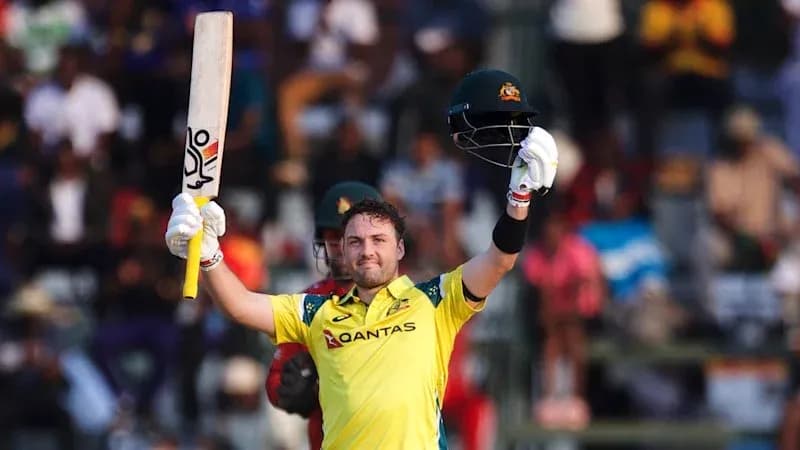
Josh Inglis was the anchor and the heartbeat. The wicketkeeper-batter carved a superb 103 from 102 balls, his second ODI hundred, and for long stretches he made a tricky chase look routine. Eleven times he pierced the field for four, picking gaps, riding the bounce, keeping the rate in check even as partners came and went.
Then he was gone, and the real drama began.
Inglis shines, but Zimbabwe refuse to fold
Australia were never behind the required rate, yet they never felt safe either. Early wickets set the tone. Travis Head lasted just six, Mitchell Marsh only eight, and each dismissal fed Zimbabwe’s belief that this wouldn’t be another routine Australian procession.
Zimbabwe had earned that belief. Sent in after the home side chose to bat, they posted 271, built on a classy, unbeaten 81 from captain Sikandar Raza off 72 balls. He controlled the back end of the innings, finding gaps, running hard, and refusing to let the innings stall.
Before him, Craig Ervine (59 from 79) and Innocent Kaia (55 from 66) had laid the platform, both crafting composed half-centuries. Australia, resting several senior players for this tour, had to work for every breakthrough.
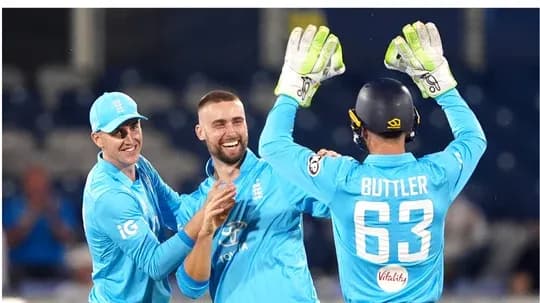
Nathan Ellis, though, kept dragging them back. The seamer’s 3-50 from 10 overs was the pick of the Australian attack, his changes of pace and discipline at the death preventing Zimbabwe from pushing beyond a par score. Raza later admitted he had targeted 280-290. They fell just short, but not by much.
“I thought 280-290 was par with the bat so to make a game out of 272 was a great effort,” Raza said. “As a captain I’m really proud. Plenty to learn. I’d rather have a game like that than for the Aussies to just chase it down in 40 overs.”
He got his wish. Australia never came close to cruising.
A chase unravels, then a lifeline
With Inglis in command, Australia kept the asking rate under control, but wickets continued to puncture the chase. Every small partnership felt temporary. Every mistake was amplified.
Zimbabwe’s bowlers sensed it. Brad Evans, the standout of the home attack, ripped through Australia’s middle order with 4-47 from his 10 overs. He attacked the stumps, found movement, and repeatedly forced Australia to reset.
The equation tightened. The crowd rose. When Inglis finally fell for 103, the game tilted sharply towards Zimbabwe. Australia’s top order was gone, the middle had been exposed, and the tail was staring at a chase that suddenly looked a step too far.
Ellis and number 11 Spencer Johnson thought otherwise.
They didn’t panic. Ellis, who had already been Australia’s most effective bowler, now became their unlikely batting saviour, compiling a measured 36 from 44 balls. Johnson, on debut at the very bottom of the order, hung in for seven from 13, his role clear: survive, give Ellis the strike, and drag this chase to the wire.
Zimbabwe had their chance to slam the door. In the penultimate over, Wessly Madhevere put down a crucial catch off Ellis. In that moment, with Australia still behind the game, it felt decisive. It was.
Madhevere then took the ball for the final over with nine runs to defend. Ellis launched the first ball for six, ripping the tension apart. From there, Australia inched across the line, the earlier drop looming larger with every run.
Zimbabwe, so close to a statement win, were left to rue that single moment.
Marsh looks ahead as World Cup loom large
Mitchell Marsh didn’t pretend Australia had everything under control. The captain acknowledged his side had escaped.
“I thought the way we played over the three matches, albeit today we got lucky, but there’s lots of positive signs with our group,” he said. “We’ve got some young talent, which is exciting for the future.”
The immediate future is South Africa. With the one-day series in Zimbabwe secured 3-0, Australia now head west for three ODIs starting in Durban on Thursday, a key staging post in their defence of the World Cup crown in 2027.
This tour has been about depth. Several regulars stayed home, but reinforcements are on the way. Pat Cummins and Mitchell Starc are expected to join for the South Africa leg, bolstering an attack that already found answers in Harare.
For Inglis, the tension of that final-over finish is exactly what Australia needed.
“We’re going to get in those situations again,” he said. “For those guys to have done that today ... with the World Cup 12 months away, it’ll leave a good feeling with them.”
The calendar backs him up. The majority of next year’s World Cup fixtures will be staged in South Africa, with matches also in Zimbabwe and Namibia. Conditions, venues, even the noise in the stands will echo what Australia just experienced.
“It’s clearly really important that the World Cup’s only 12 months away in those conditions,” Inglis said. “It will be a nice little trial run. We’ll see the different conditions and maybe work on some new combinations.”
Old scars, new stage
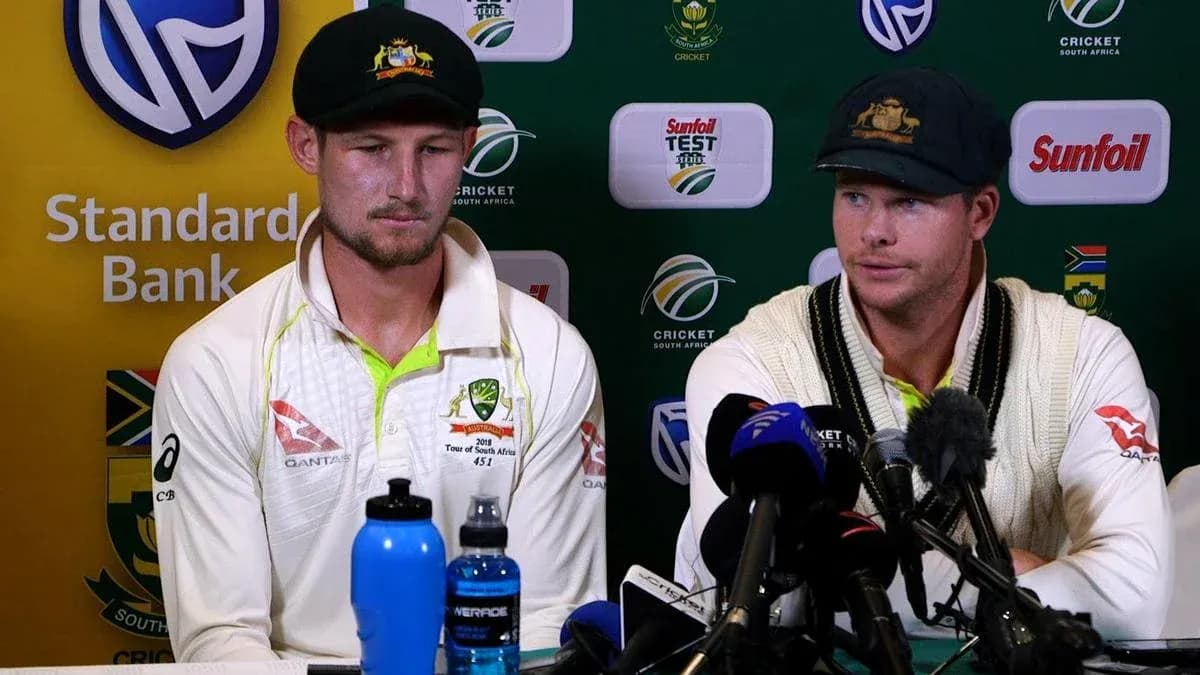
Beyond the white-ball focus, there is another layer to this tour. After the ODIs, Australia will play three Tests in Durban, Gqeberha and Cape Town, their first red-ball visit to South Africa since the 2018 ball-tampering scandal.
The last time they toured here in Tests, the fallout reshaped Australian cricket. This time, the squad is different, the leadership rebuilt, the tone reset. Inglis insisted the players have not dwelt on what kind of reception awaits.
“Obviously we’ve had this series going on and we’ve given it our full focus,” he said.
That will change soon enough. Durban, then Gqeberha, then Cape Town: three venues loaded with memory and meaning, now doubling as dress rehearsals for a World Cup that will define this era of Australian cricket.
For now, though, the enduring image is simpler: Nathan Ellis, bat raised, having survived the chaos he helped create, and a Zimbabwe side walking off knowing they had Australia on the ropes and let them slip away.
If this is just the trial run, what happens when the real thing starts in 12 months’ time?