Aussies Face Chaos at Flushing Meadows Amid Rain and Emotion
For the third straight day, the weather turned up uninvited and refused to leave. Morning play at Flushing Meadows stalled for a couple of hours as rain swept across the grounds, a grey curtain over a day the locals had hoped would be bright for the Australians.
The showers weren’t heavy at first, just nagging and persistent. Players were told to stay put on court, eyes flicking toward the sky and then to the radar that, ominously, “didn’t look pretty.” Moments later, the inevitable call came. Pack up. Courts cleared. Outside play on hold again.
Only the two show courts stayed alive under cover. Everywhere else, momentum froze.
Kasatkina rocked as Badosa storms through opening set
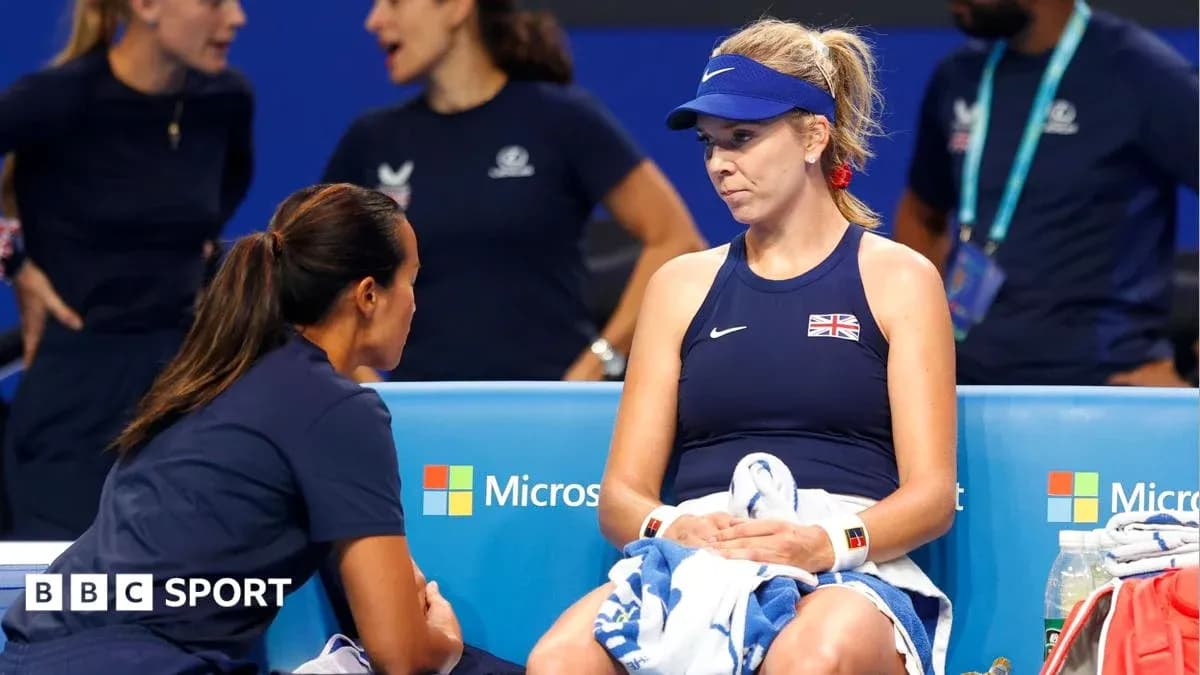
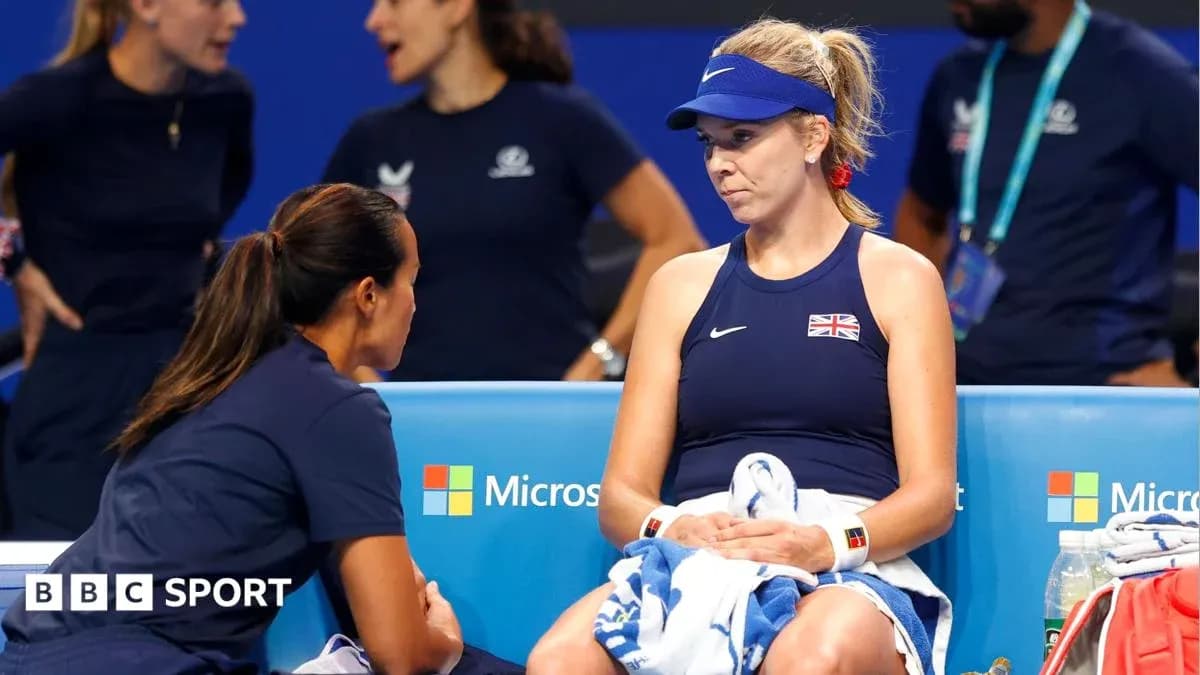
Before the rain interruption, Daria Kasatkina had finally started to find some rhythm in the second set of her clash with Paula Badosa. Whether the break would help or hurt her became a moot point when you looked back at the start.
The first set was a blur. “Quick as a flash” barely does it justice.
Badosa broke to love to surge 3-1 ahead and never loosened her grip. She came out swinging at the start of rallies, taking time away from Kasatkina and dictating from the baseline. On Nine’s coverage, Jelena Dokic summed it up neatly: Kasatkina needed to “weather the storm,” drag the rallies out, and only then would her chances appear.
They never really did. Kasatkina’s errors arrived long before the rallies could stretch, long before her game could breathe. The set was gone in just 23 minutes, one-way traffic that left her scrambling for solutions as the weather closed in.
Schoolkate serves his way into the second round
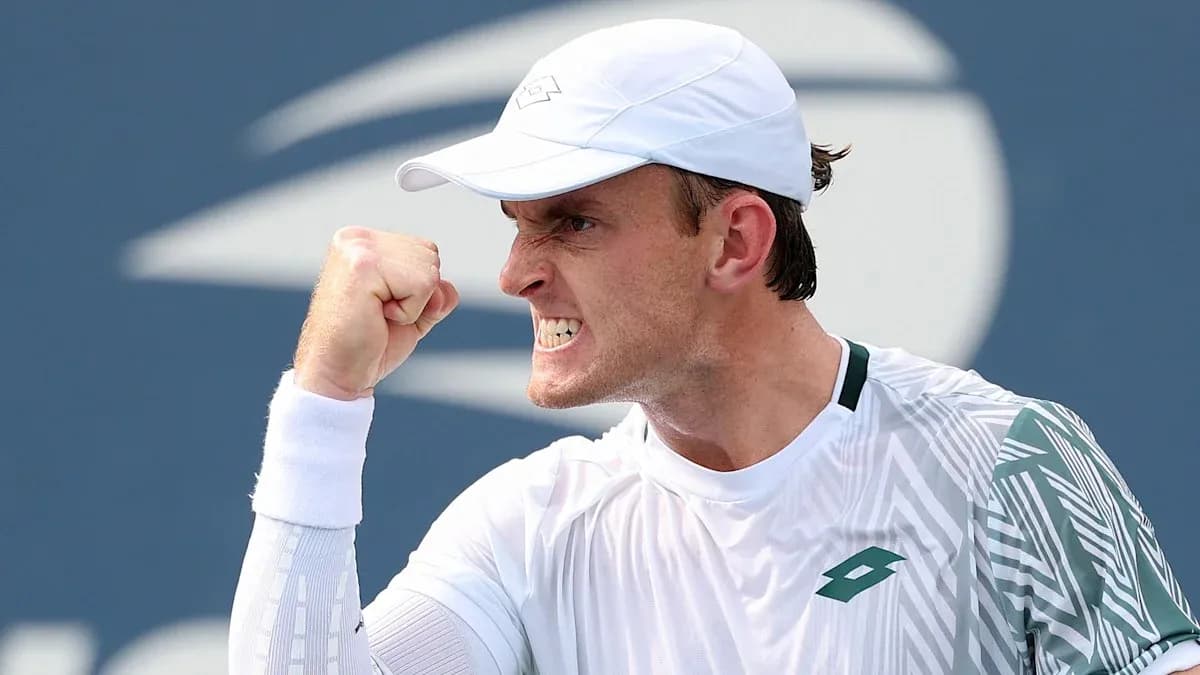
While the skies misbehaved, Tristan Schoolkate made sure his serve did anything but.
The Australian powered into the second round with a four-set win over American Nishesh Basavareddy, 7-6 (4), 3-6, 6-3, 6-4. It was tight on the scoreboard and even tighter on the stats sheet: the total points read 121-119 in Schoolkate’s favour by the end. Two points between them after four sets tells you everything about the margins.
The difference came from the line. Schoolkate’s serve was a weapon all morning. He finished with 25 aces and an imposing 82 per cent first-serve percentage, numbers that gave him just enough cushion whenever Basavareddy threatened to turn the match his way.
The reward is significant. A place in the second round brings prize money just shy of $266,000. For a player still building his name on the tour, that cheque matters almost as much as the ranking points.
Earlier in the contest, the balance had been even more precarious. Schoolkate led two sets to one, 7-6 (4), 3-6, 6-3, but had actually won fewer points than Basavareddy at that stage, 97-93. His serve, again, kept bailing him out. By then he had already fired 18 aces and was landing 83 per cent of first serves, numbers that underpinned his composure in the big moments.
Sweeny’s upset bid ends in retirement drama
On a nearby court, Dane Sweeny was in the middle of crafting one of the stories of the day.
Ranked outside the top 100, the Australian had seized control against Frenchman Corentin Moutet, leading two sets to love, 7-6 (4), 6-4, and then 3-0 in the third when the match abruptly ended.
Moutet walked to the net, offered his hand, and retired.
The shock was immediate because the contest, on paper, should have gone the other way. In June, Moutet sat at No.30 in the world and, although he has since slipped into the 60s, he remains a far more established name than Sweeny. This was shaping as a genuine upset, built not on dominance but on nerve.
The numbers told that story. Moutet had struck five aces to Sweeny’s one, but his first serve misfired too often. Sweeny had carved out four breaks to the Frenchman’s three, and the total points were close again: 92-83 in the Australian’s favour. He wasn’t overwhelming Moutet; he was simply winning the right points.
One rally from the second set captured the mood. Sweeny slipped mid-point, hit the deck, then somehow recovered to feather a delicate drop shot for the winner. It felt like a sign that the day might belong to him.
Then came the confusion.
Moutet, who had heavy strapping on his forearm, buried his face in his towel after stopping. There was a discussion with the chair umpire that wasn’t entirely clear from a distance, but it sounded as if he believed he had requested a physio earlier and been denied. Whatever the exact sequence, his body gave out before the scoreboard did.
Sweeny advanced, not in the manner he would have dreamed of, but into the second round all the same.
Kokkinakis forced out again as injury curse strikes
Not every Australian story on the day brought a smile.
Thanasi Kokkinakis, a perennial crowd favourite and one of the tour’s great hard-luck tales, withdrew only hours before his scheduled first-round match. The 30-year-old has been battling an ankle injury, the latest entry in a long medical file that has too often defined his career.
Earlier this year, shoulder problems kept him off court at the Australian Open. Now the ankle has intervened just as he was due to face rising star Rafael Jodar.
The match is off. The opportunity gone. For Kokkinakis, the question lingers: how many more times can he rebuild before his body finally lets him play the full seasons his talent deserves?