Asian Games 2023: Nagoya's Unique Opening Night
Nagoya opens its doors to Asia on Saturday night, but not quite in the way the continent is used to.
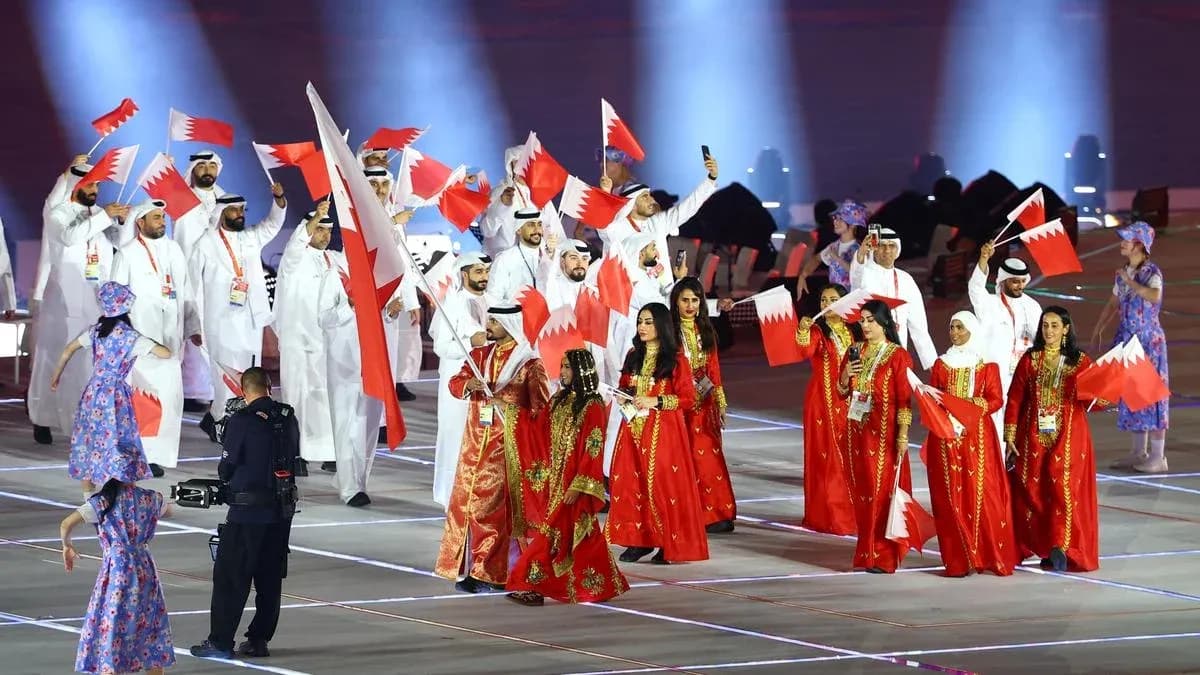
Under a cool September sky at Paloma Mizuho Stadium, India’s flag-bearers Manu Bhaker and Pawan Sehrawat strode in at the head of a leaner, more focused Indian contingent, the tricolour cutting through the light show and fireworks as dancers, drummers and pop idols turned the 20th Asian Games into a carefully choreographed spectacle.
The build-up has been anything but smooth. The ceremony was.
A glittering start to a messy build-up
The Japanese national anthem rang out, the host flag climbed the mast, and the Aichi-Nagoya Asian Games finally began after months of questions about whether Japan could stage a 17,000-participant event without the traditional athletes’ village.
Musician Taro Hakase’s violin soared over the stadium. Japanese boy band INI whipped the crowd into a frenzy. Dancers flooded the field in precise, colourful waves. On the surface, it was the familiar language of mega-events: light, sound, symbolism, and a promise that Asia’s best were about to take over.
Behind the scenes, the story has been very different.
Huts, a cruise ship and a new model
Instead of a gleaming, purpose-built village, athletes are scattered across Nagoya and Aichi prefecture. About 4,000 competitors are living on the cruise liner Costa Serena docked in Nagoya’s port. Another 2,000 are in wooden huts, with the rest spread through hotels across the region.
Some teams have grumbled about cramped, shipping container-style rooms and long commutes to training. The accommodation shortage has overshadowed the opening week, with delegations scrambling to secure acceptable conditions as more athletes and support staff pour into the city.
Yet the Olympic Council of Asia’s director general Husain Al-Musallam has backed Japan’s gamble, hailing the low-cost model as a template for nations wary of the spiralling bills that usually come with hosting.
It is a Games built on compromise: less concrete, more improvisation.
India’s contingency plans — and community backup
India, sending close to 500 athletes this time after trimming numbers from the 650-plus that went to Hangzhou, has had to move quickly. Some athletes have already been shifted from huts into hotels, with officials bracing for further pressure on rooms as the full delegation lands.
Sahdev Yadav, India’s chef de mission and treasurer of the Indian Olympic Association (IOA), laid out the backup plan in blunt terms: hotel bookings are in place, but if those fall short, the Indian community in Japan is ready to open its doors.
“We have booked hotels for our athletes here,” he said. “But if the hotel rooms fall short then yes, we have Indian households here on standby to accommodate the athletes. They are all more than happy to welcome the stars at their homes.”
It is an unusual safety net for a continental Games — elite athletes potentially housed in family homes — but a telling one in a city stretched to capacity.
Bhaker’s call: stop complaining, start competing
The logistical chaos has been impossible to ignore. Social media has been filled with pictures of cramped rooms, training delays and long bus rides. Some athletes have spoken of the strain even before competition begins.
Manu Bhaker, one of India’s most recognisable faces in shooting and now a flag-bearer, chose a different route. In a video message posted by the IOA, she urged her teammates to turn down the noise.
“To all my fellow athletes from India, we will have some issues,” she said. “Regardless of whatever the issues we have, this is probably once in a lifetime opportunity and experience. We have to make sure that we enjoy the time rather than complaining.”
It was a pointed message on the eve of the Games: control what you can, ignore what you can’t.
A late flag-bearer twist
Even the ceremonial walk into the stadium carried a hint of the broader disarray. Seasoned kabaddi star Pawan Sehrawat was drafted in late as India’s male flag-bearer after shot-put champion Tajinderpal Singh Toor was ruled out of the opening ceremony.
The reason was as mundane as it was jarring: Toor did not have the ceremonial kit in his luggage. Without it, he could not attend the gala. Sehrawat stepped in, marching alongside Bhaker at the head of the Indian contingent as fireworks crackled above Nagoya.
For a team defending both men’s and women’s titles in cricket and kabaddi, the switch was symbolic: kabaddi’s standard-bearer front and centre, ready to protect India’s turf in a sport it still calls its own.
Prannoy’s last dance — or one more push?
Away from the ceremony, one of India’s senior figures offered a more personal perspective on the Games. Veteran shuttler H.S. Prannoy, who has ridden the highs and lows of elite badminton for more than a decade, admitted that Aichi-Nagoya is “most likely” his final Asian Games.
He is not quite closing the book, though. Prannoy plans to give himself another year before deciding whether he has enough left in his legs and lungs to mount a realistic push for the 2028 Los Angeles Olympics.
For India, his presence here is both a nod to the past and a question about the future. How many more big-stage runs does he have? Nagoya could offer the first clue.
New sports, new stories
On the field of play, the Aichi-Nagoya Games promise a different kind of freshness. Six sports make their Asian Games debut, including teqball and virtual taekwondo, designed to pull in younger audiences and add a sharper, more contemporary edge to the programme.
Teqball has already delivered a slice of history for India. Quimcy Dsouza battled her way into the women’s singles semifinals, guaranteeing a shot at the country’s first-ever medal in the sport. She fell in a gruelling three-game duel to Indonesia’s Sumaya, losing a tight advantage as the Indonesian mounted a late surge.
The defeat sends Dsouza into a bronze-medal match — still a chance to write India’s name into a new chapter of Asian Games history.
Kit issues and quiet concerns
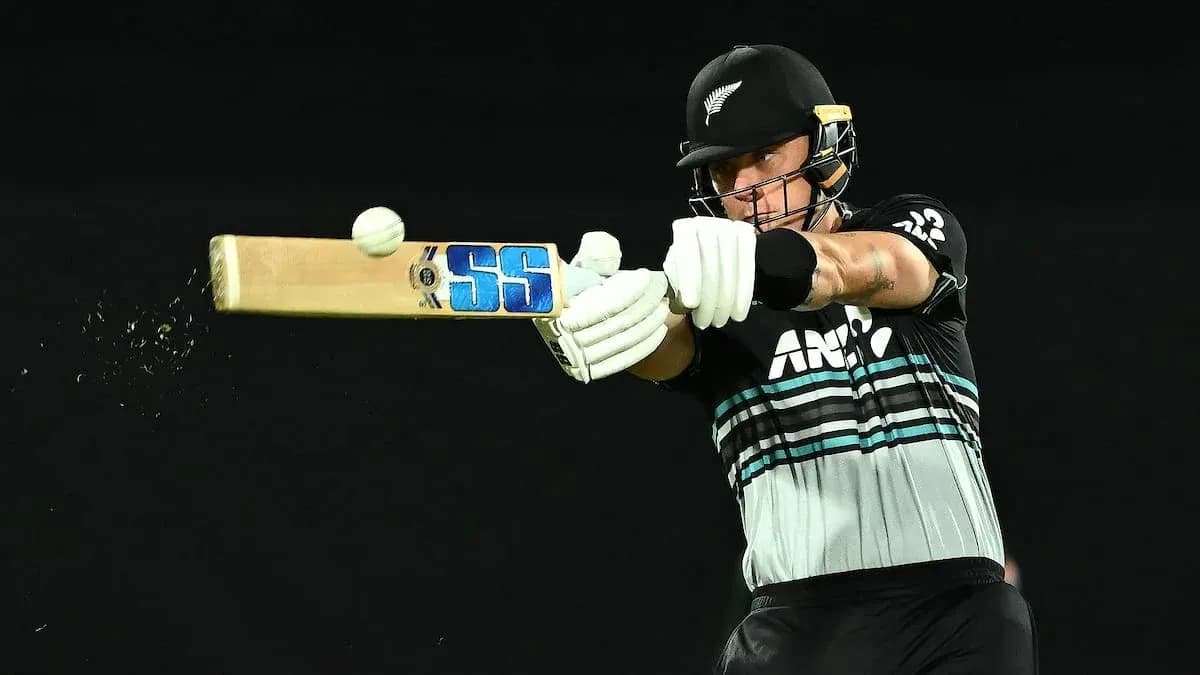
Even as the Games light up Nagoya, small but telling problems continue to surface. Members of India’s men’s cricket team, set to defend their title, are dealing with jersey sizing issues just hours before departure.
The Board of Control for Cricket in India (BCCI) has had to step in, arranging its own accommodation and ironing out kit concerns as the squad prepares to fly in the early hours of Sunday. It is hardly ideal preparation for a team expected to bring home gold.
Yet this has been the tone of the build-up: a constant tug-of-war between organisational glitches and sporting ambition.
Fewer athletes, same heavy expectations
India arrives in Japan with a smaller squad but bigger expectations. At the previous Asian Games in Hangzhou, India broke through the 100-medal barrier for the first time, finishing with 106 and sitting fourth behind China, Japan and South Korea.
Rationalisation has trimmed the numbers this time. No more blanket entries across 40 disciplines, no more chasing quotas just for the perks and funding that come with an Asiad tag. The aim is sharper: fewer athletes, more medals, a better athlete-to-medal ratio.
Officials are still talking about touching the 100-medal mark. If they do it with a reduced contingent, the statement will be hard to ignore.
The race begins
By Sunday morning, the fireworks and choreography will be replaced by the hard grind of competition. The first gold medal is expected to come in the men’s individual triathlon, the opening act in a programme that will eventually award 469 golds across more than 40 sports before the curtain falls on October 4.
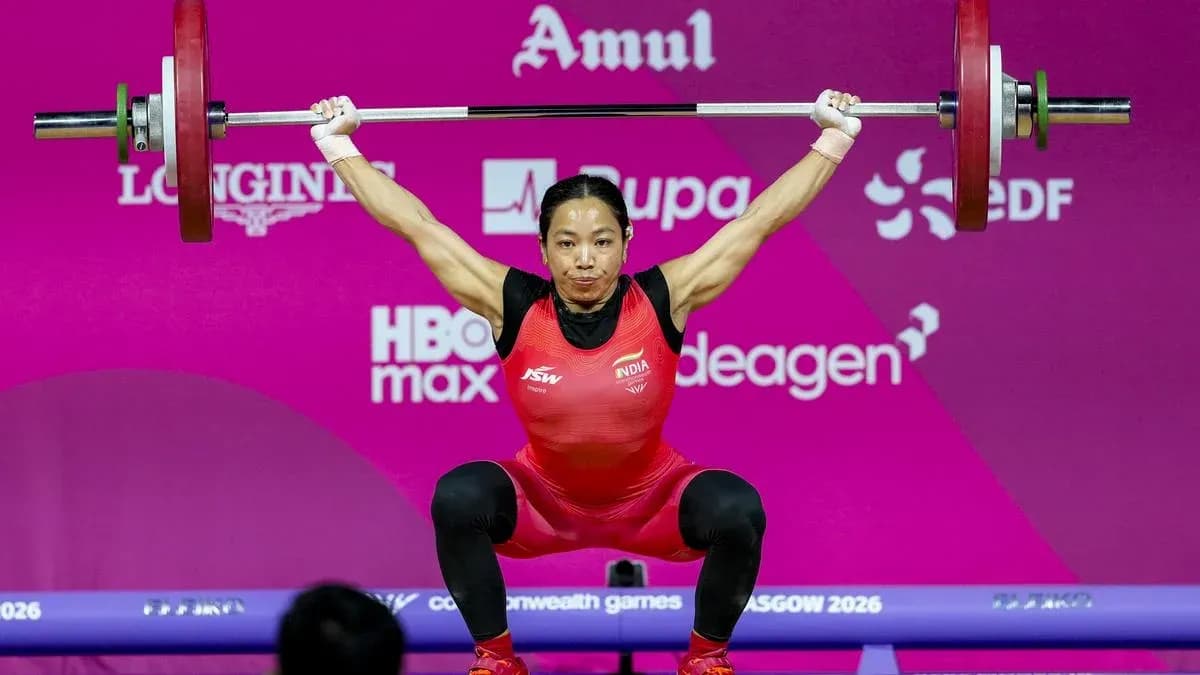
India’s stars — from PV Sindhu and Mirabai Chanu to Bhaker herself — know what is at stake. The country wants proof that Hangzhou was not a one-off spike but the start of a sustained rise in Asian sport.
Nagoya has already shown that this edition of the Games will not be judged on spectacle alone. The real verdict will come in packed arenas, on cramped buses, in noisy dining halls and, above all, on the medal table.
For India, this is not just another Asian Games. It is a test of depth, discipline and resilience in a tournament where nothing, not even a bed or a jersey, has come easy.