Arthur Fery's US Open Exit: Lessons Learned and Future Challenges
Arthur Fery’s first real taste of the US Open spotlight ended quickly, but it may only be the start of something far more substantial.
The 21-year-old Briton went out in straight sets to Lorenzo Musetti in the opening round, a sharp reminder of the gulf that still exists between the ATP 250 circuit and the brutal depth of a Grand Slam main draw. The defeat, though, has not cooled expectations around him. If anything, it has sharpened them.
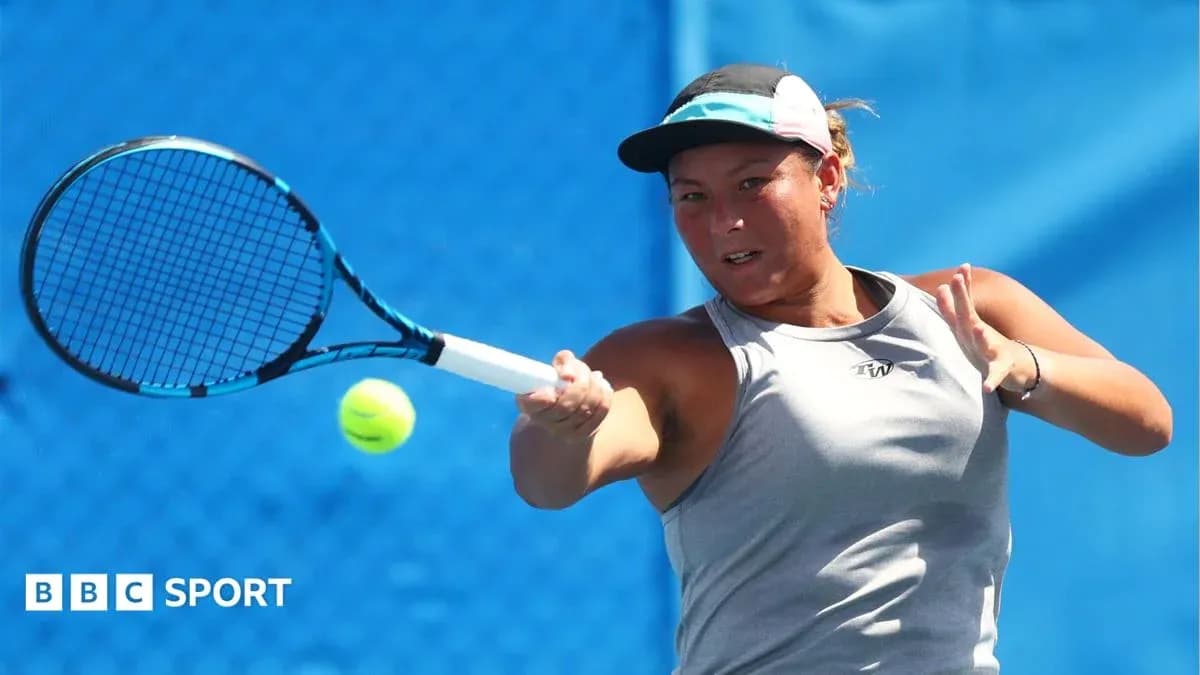
Former British No.3 Naomi Broady has thrown down the challenge.
“Arthur's going to be playing big guys now,” she said, underlining the step up he has taken. “He's proven himself at the ATP 250 level but now people will start watching him and it becomes a cat and mouse of can he stay ahead of that.
“I wouldn't expect him to plateau and the next few months will be exciting. His ranking can still skyrocket.”
That is the tightrope Fery walks now: no longer a surprise package, not yet an established force. The scouting reports will circulate. Opponents will dig into his patterns. The question is whether he can evolve faster than the locker room can catch up.
Against Musetti, the answer was clear. Not yet.
Fery cut an honest figure in the aftermath. There was no attempt to dress up the loss, no excuses about conditions or court speed.
“I know what I have to work on,” he said. “I got a lot of ideas coming straight off the court of what I have to work on to do better.
“My serve really let me down today, which is not usually the case, but I've been struggling a little bit to find my rhythm on the serve.
“Today was particularly a struggle, but definitely playing guys at that level, it's tough and the margins are small.”
Those margins define careers at this level. One misfiring serve, one unreliable weapon, and a match can slide away in a handful of games. Fery has the tools; the tour will now demand he refines them under pressure, in full view of a sport that has started to take notice.
Rain, delays and a crowded schedule
While Fery’s exit played out, the tournament itself stuttered through a sodden early week in New York.
Rain swept across Flushing Meadows and ripped holes in the schedule. Rafael Jodar and Alex de Minaur were among those left in limbo, their matches against Yunchaokete Bu and Andrea Guerrieri respectively wiped from Tuesday’s order of play.
They were two of six matches cancelled on a rain-affected day, leaving organisers juggling a growing backlog at precisely the moment the event usually begins to hit full stride. Players prepared, warmed up, cooled down, then waited. Some will now be asked to cram crucial rounds into a tighter window, with recovery time squeezed and momentum harder to manage.
The forecast, at least, offers a break. Sunshine is expected to return later in the week, giving the tournament a chance to reset and restore some rhythm to a stop-start opening.
Bencic walks a disciplinary tightrope
On another court, tension briefly threatened to spill over into controversy.
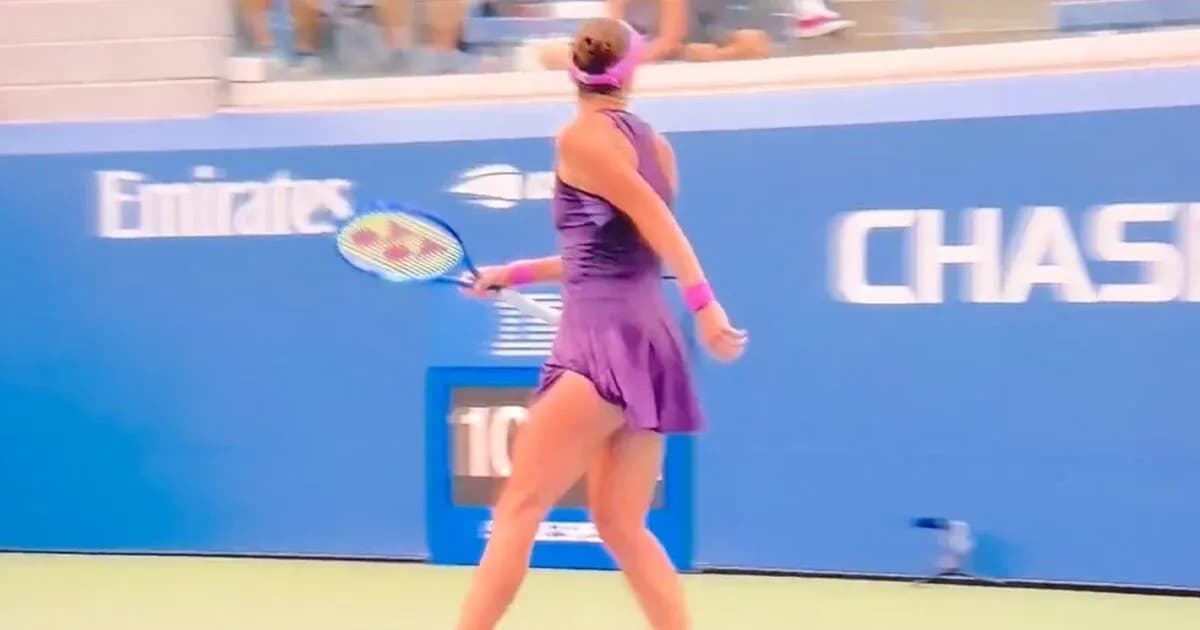
Belinda Bencic, the 12th seed, crashed out in the first round to Yulia Putintseva, but it was a flash of frustration in the second set that nearly became the story of the day. After losing a game, the Swiss player fired a spare ball into the crowd.
She received a code violation for unsportsmanlike conduct. Nothing more. No default, no dramatic ending.
Bencic can consider herself fortunate. Tennis has a harsh recent history with similar incidents; players have been disqualified for striking balls into the stands, particularly when spectators have been hit. The rules leave room for interpretation, but the line is thin, and she walked dangerously close to it.
As the clouds begin to lift over New York, the picture around the tournament is starting to sharpen. Fery leaves with lessons, not wins. The schedule creaks under the weight of rearranged matches. Tempers, as ever at a Slam, sit just beneath the surface.
The weather is clearing. The pressure is not.