Arthur Ashe Stadium: The Loud Energy of U.S. Open Tennis
Arthur Ashe Stadium does not do quiet.
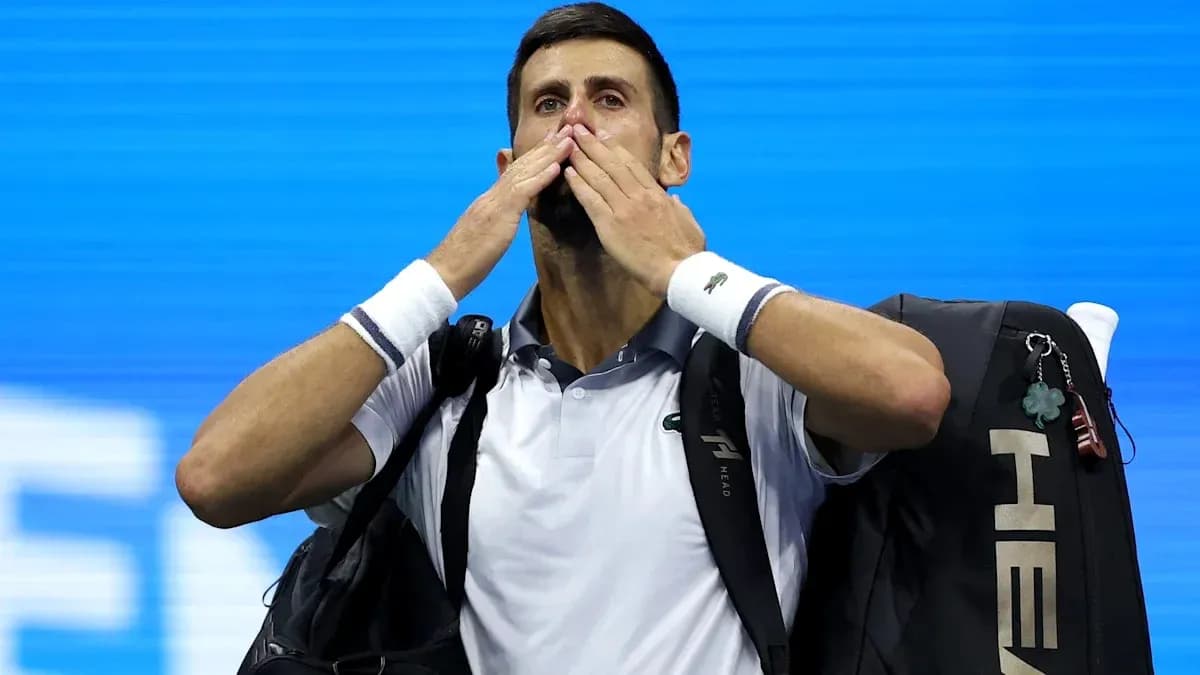
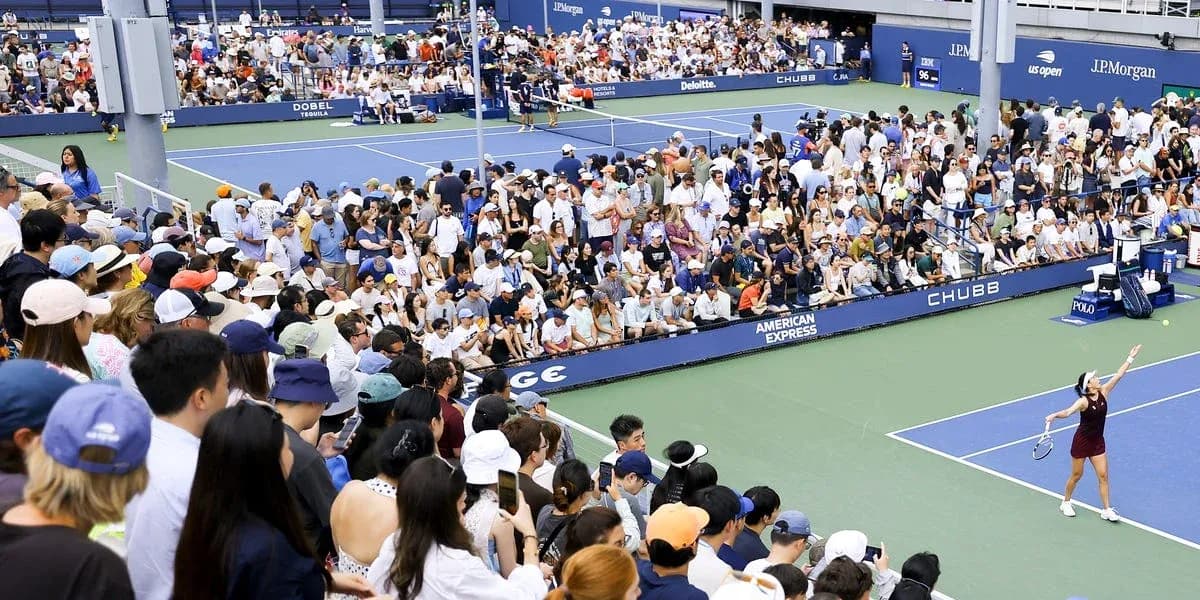
It hums, it buzzes, it shouts. Even before a ball is tossed, there’s a low roar—air conditioners, conversations, music bleeding in from the concourse, the restless shuffle of 23,000 people who didn’t come to Queens to whisper. Wimbledon has its hush, Roland Garros its murmur. Ashe has a soundtrack.
“On Arthur Ashe Stadium, there’s always ambient noise,” says Félix Auger-Aliassime, a two-time U.S. Open semifinalist. “The brain just gets used to it after a while. There’s no other way to put it. There’s no preparation for that.” Players, he explains, show up with their own routines and coping mechanisms. Once they step into this bowl of noise, they simply have to make it work.
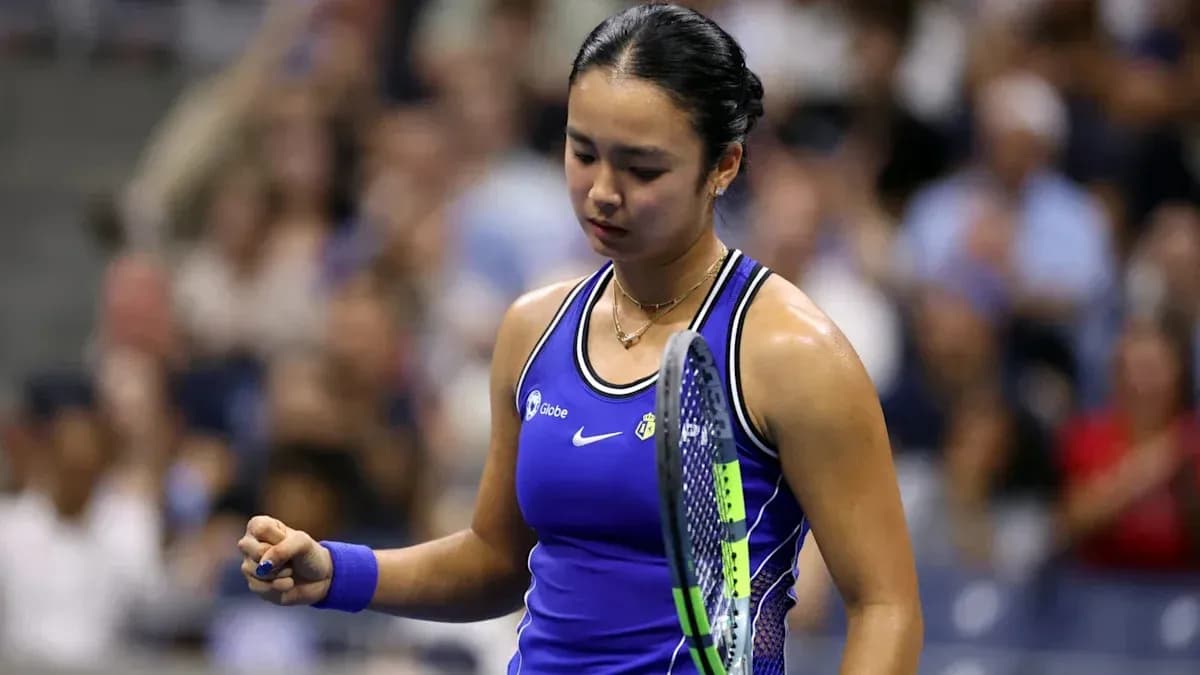
Most of them wouldn’t have it any other way. Frances Tiafoe lights up when he talks about it. “New York—it’s different,” he says. “Night on Ashe is so special. It’s the biggest court in tennis. The atmosphere is wild.” Naomi Osaka, twice a champion here, calls Ashe a “stage,” the kind of arena that manufactures stars. “The U.S. Open makes stars and there’s just a special type of energy there,” she says.
That energy is no accident.
Tennis, But Make It New York
The U.S. Open has stopped apologizing for its volume. It’s leaning into it. American Emma Navarro summed it up last year: “casually rowdy.” She contrasted it with Wimbledon, where everything feels “proper,” “elegant,” and “respectful.” In Flushing Meadows, the dress code is looser. So is the etiquette.
Tournament organizers have pushed that shift. In 2024, the U.S. Open relaxed long-standing rules about when spectators can move to and from their seats, branding it “fan free movement.” For a sport that traditionally polices silence and stillness, it’s a bold pivot.
“It might be seen as a radical thing for tennis,” tournament referee Jake Garner said at the time, “but I’m not sure trying to increase the fan experience and making it more enjoyable for them should be that radical.”
The message is clear: this is not your grandparents’ tennis tournament.
Historically, tennis prized quiet as much as topspin. Silence in the stands was part of the code. Spectators stayed still. Players, aside from the odd grunt, kept their emotions contained. “There has been a tradition of allowing players to concentrate,” says etiquette expert Lizzie Post, great-great-granddaughter of Emily Post and co-host of the Awesome Etiquette podcast.
The sport’s roots explain a lot. Lawn tennis emerged as a pastime of the British aristocracy in the late 19th century, and it absorbed that world’s obsession with decorum and restraint. “You can’t separate the sport from the people who played it,” says historian Robert Lake, who has written extensively on tennis’s social history. Traditional etiquette, he notes, “is definitely rooted in ideas of class that permeated the sport when it first emerged in the late 1800s.”
But the old quiet is not a rule of physics. It’s a choice.
“Tennis causes problems for itself when it is clutching its pearls and being precious,” says veteran journalist Matthew Futterman of The Athletic. He raises a simple question: “How in the world are you supposed to get a kid excited about going to a tennis match—and being quiet—when you bring an eight-year-old into a stadium and you say, sit still and be quiet for the next three hours? That sounds like a punishment to me.”
A Festival With a Draw Sheet
Part of what makes tennis different is the way fans experience it. A day at the U.S. Open doesn’t resemble a neat two-hour block of football or basketball. It’s a sprawl.
“Tennis, you’re sort of wandering around, you’re in your seat for a while, you watch the match, but a lot of it is about everything else,” Futterman says. In the early rounds, a single grounds pass can unlock more than a dozen matches. Fans drift from outer courts to show courts, from practice sessions to food stalls. The sport is the anchor, not the entire show.
That’s where the U.S. Open has been shrewd. “The brilliance of the U.S. Open,” Futterman adds, is the realization that “tennis is at its best when it feels like there’s an outdoor festival party going on with music and great food and all those things—and there happens to also be some tennis which you want to enjoy as well.”
The USTA embraces that identity. “Everything that people associate with New York—the passion and the energy and the excitement—feels very much endemic to the U.S. Open itself,” says Nicole Kankam, the USTA’s Managing Director, Pro Tennis Marketing and Entertainment. “It’s loud, it’s tough, it’s hot, but it’s also everything that makes it great and exciting.”
That blend—part sporting event, part cultural happening—has made the Open a magnet well beyond hardcore tennis circles. Simone Scott, a journalist who runs “The Girls’ Guide to Sports” series on social media, sees the tournament as a rare crossroads of sport, style, and culture. That mix, she says, is exactly why the event feels welcoming to people who wouldn’t call themselves tennis fans.
“I love how the U.S. Open brings together so many different worlds. It’s very New York,” says Scott, who is working with Dove during this year’s Open. “You have incredible athletes competing at the highest level, but you also have fashion, culture, entertainment, and fans from every background all coming together in one place. It feels vibrant, welcoming, and inspiring, and there's really nothing else quite like it.”
For the USTA, that accessibility isn’t a side benefit. It’s the mission. “Audiences and fan expectations change and evolve,” Kankam says. “We can maintain some traditions that are at our core, but if we’re not open to evolution and meeting fans where they are, then you miss out on growing your audience.”
New Fans, New Friction
Growth brings tension. The U.S. Open has rolled out initiatives aimed squarely at newcomers, including an expanded Finals Fan Fest. Launched last year, it lets people without tickets to the championship matches watch from parties on the grounds.
The numbers are telling. According to Kankam, 85% of those who bought Finals Fan Fest grounds passes were brand new to the U.S. Open. For the after party, that figure jumped to 95%.
That’s a marketer’s dream—and a purist’s dilemma.
“Tennis has been very stuffy and uptight for too long, and we need to get with the times and make it a little easier for people to enjoy the sport,” says Jessica Schiffer, founder of Hard Court. She admits a split loyalty. “That being said, I’m also a purist at heart and I love the peace and quiet that many tennis matches come with.”
This is the tightrope: open the doors wider without losing the essence of what’s happening on court. Even some critics of the new atmosphere aren’t asking for Wimbledon-style silence. Their frustration is less about decibels and more about distraction.
Brand strategist Heather Queiroz, who attended last year’s tournament with her family, didn’t object to the noise. It was the movement that got to her. People standing in the aisles during points. Fans blocking views as rallies unfolded. “We found ourselves in a lot of weird interactions and arguments with other people because they would just be standing [during points] or just standing in the aisles and then you can’t see,” she says. “What makes tennis so unique is that it’s a very precise sport. If you were going to watch the match, you kind of need to watch it.”
Her concern runs deeper than one bad night in Ashe. She worries the event is bending too far toward those who are there for the scene, not the sport. “Short-term, you can erode your loyal fan base, but long-term it doesn’t play out,” Queiroz says. “The more OG fans are definitely frustrated—and then with the prices going up, it makes you not really want to go because if you end up not really being able to see the match very well, then you might as well just watch it on TV and at least be able to see good tennis.”
Teaching the New Rules of Noise
There are solutions that don’t involve turning down the volume. Queiroz suggests something simple: signage around the grounds to educate newer fans on tennis etiquette. When to move. When to sit. When to let the point breathe.
Lizzie Post agrees that guidance should be built into the experience. Tickets, she suggests, could come with a brief outline of expected behavior. “You do want to make sure spectators know what the experience is supposed to be and what the decorum is for it,” she says. That responsibility, she argues, lies with the people issuing tickets and the ushers tasked with crowd control. “It’s a lot on the establishments that host these events to determine the type of event they’re going to be throwing and make the atmosphere known.”
For Post, etiquette is not about stuffiness; it’s about awareness. “Etiquette is thinking about our impact on the people around us and how we can make that a positive one and not a negative one. It doesn’t take much.”
At the core of all this noise, she reminds, is something very simple: tennis. Two players, alone with their thoughts, their training, their nerves, trying to solve each other in real time. “It is two competitors playing at their best and trying to be their best. They train all year, every day. Their whole life, their livelihood, is based on this,” Post says. In that context, one fan yelling at the wrong time isn’t just annoying—it’s intrusive. “You don’t want to be the lone voice that’s really loud in a quieter place.”
The trick for the U.S. Open is to decide what that “place” is going to be. A cathedral of silence? That ship has sailed. A tennis-themed street party where the match is background noise? That’s a step too far for many who love the sport.
Right now, Arthur Ashe Stadium lives in the middle ground: raucous, restless, unapologetically New York, but still a stage where careers are made and broken in the space between two serves.
As Futterman puts it, with a mix of admiration and warning, “It’s not your British grandmother’s tennis tournament.” The question is whether tennis, as it races to keep up with the modern sports world, is ready to sound—and feel—this loud for good.