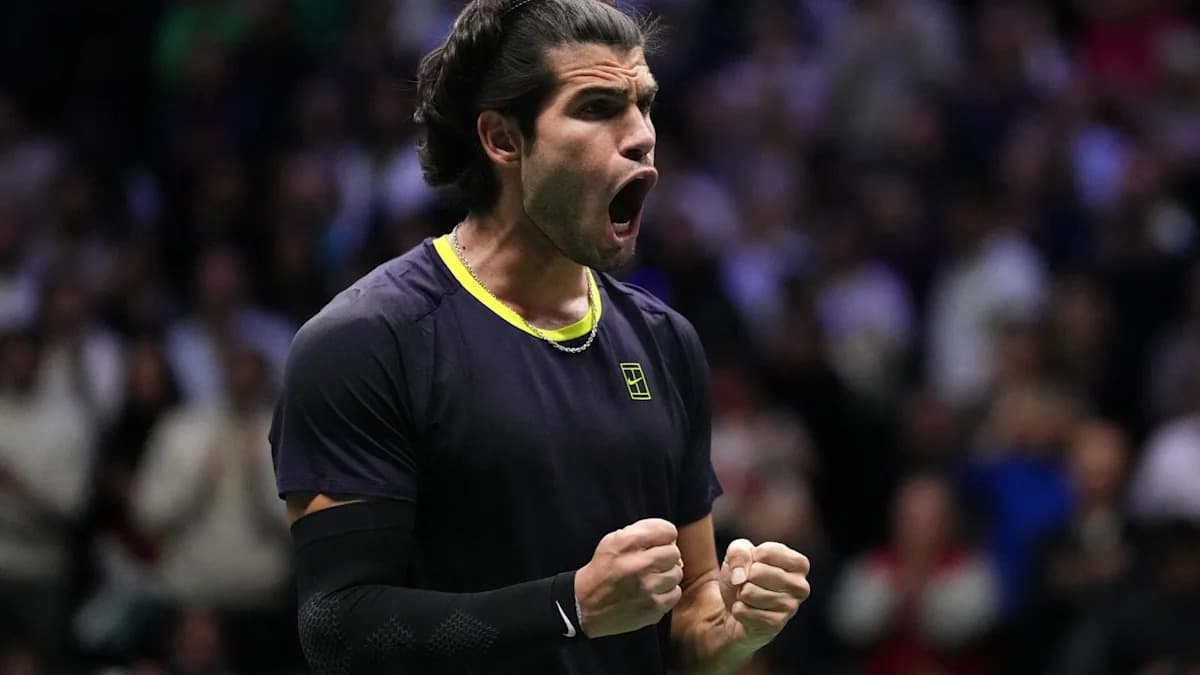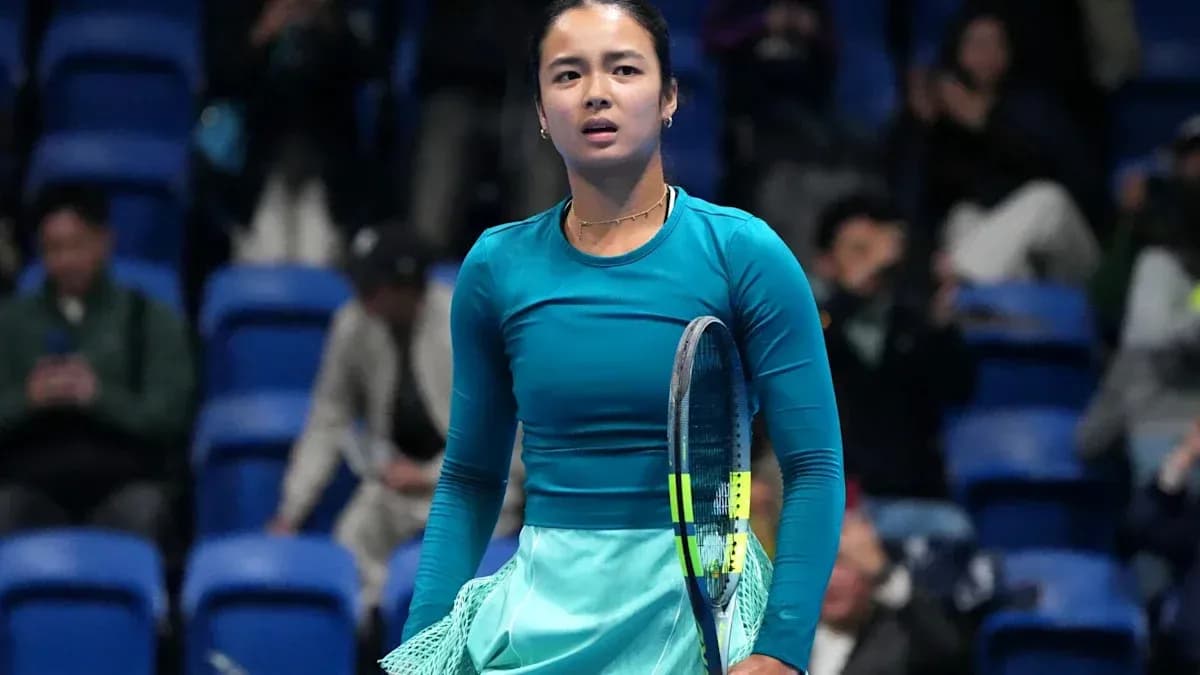
Alex Eala Aims for Redemption Against Diana Shnaider in Tokyo
Alex Eala doesn’t have to look far to find the blueprint for beating Diana Shnaider. It’s written in the numbers from their last meeting — and in the aces she has just unleashed in Tokyo.
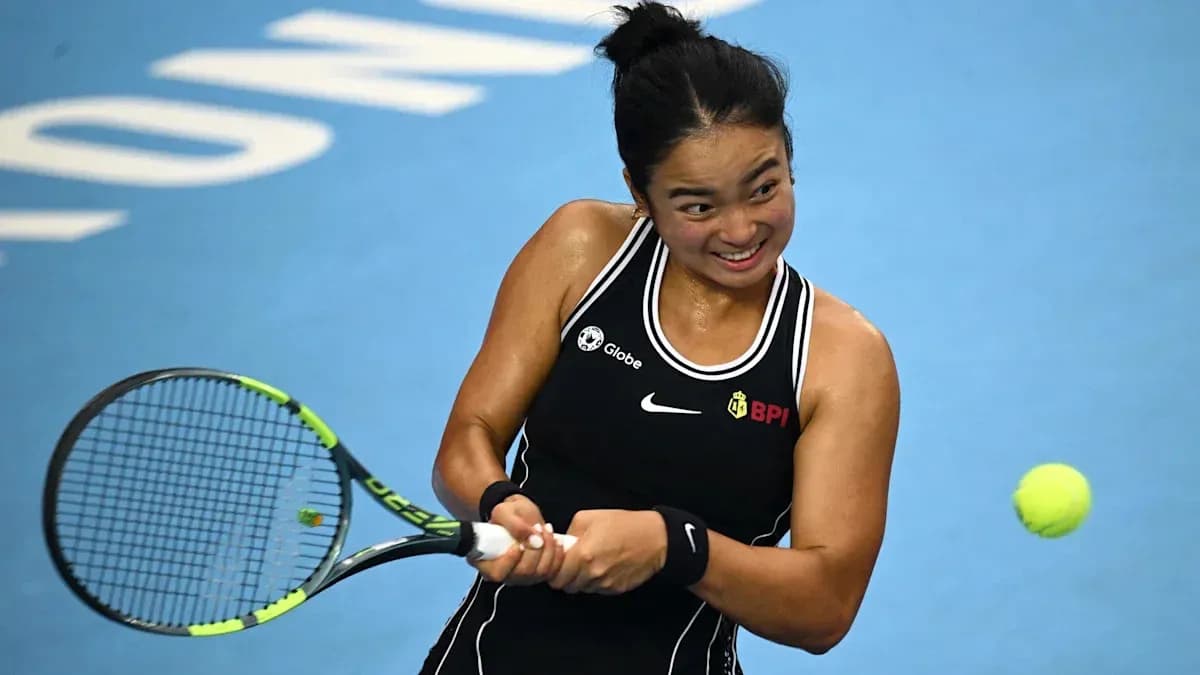
One week after Shnaider sent her out of Ningbo, 7-5, 6-4, the Filipino left-hander has powered into the Tokyo Open quarter-finals, setting up an immediate rematch with the Russian third seed. Same opponent. Same stakes. Different Eala? That’s the question hanging over the Japanese capital.
A breakout year with one nagging flaw
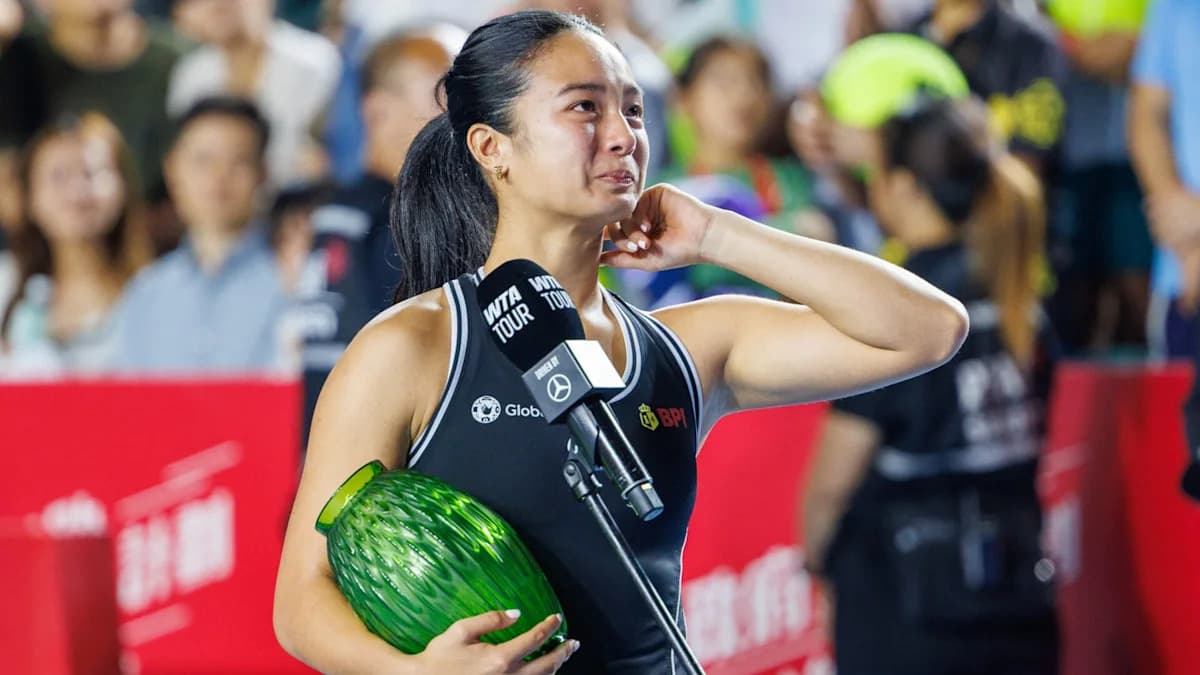
This has been the season Eala has been threatening for years. A first WTA title in Washington. A run to the fourth round at Wimbledon. A surge into the top 20. She has stepped into the sport’s top tier, and she has done it with a fearless baseline game and a competitive edge that doesn’t blink on big courts.
Yet even as the results have piled up, one weakness has followed her around the tour: the serve.
The Ningbo defeat to Shnaider underlined it in harsh detail. Eala’s first-serve percentage hovered just over 50%, and she struggled to win points even when that first delivery did land. Six breaks of serve told the story. Shnaider didn’t need to red-line her game; she simply had to stay solid on return and wait for second serves to attack.
Against a player of Shnaider’s weight of shot, those numbers are a recipe for trouble. They were, and Eala paid for it.
Evidence of a sharper serve
Tokyo has offered a glimpse of something better.
To reach the last eight, Eala took out Mika Stojsavljevic and Talia Gibson, and against Gibson she delivered the kind of serving performance that has been missing too often this year. Nine aces — her highest tally in a single match in 2026 — and a clearly stronger first-serve percentage and first-serve win rate than she managed in Ningbo.
The contrast is stark. Same player, same season, but a very different level of authority behind the line.
Shnaider will not give her the same breathing space Gibson did. The Russian is a heavier, more aggressive returner, and she will step in on anything short or predictable. But the identity of the opponent should not dictate whether Eala hits the box with her first serve. That part is on her mechanics, her rhythm, her nerve.
The full technical overhaul will likely wait for the off-season. For now, she doesn’t need a new motion; she needs the repeat of Tokyo, not Ningbo.
The left-handed puzzle
There is another layer to this rivalry, and it’s a curious one.
Eala is left-handed. So is Shnaider. Yet while Eala has solved right-handers across surfaces and continents this year, she has consistently run into trouble against fellow lefties. She has never beaten any of the other left-handed players currently ranked inside the top 100.
Patterns matter at this level. The usual lefty advantages — the wide slider on the ad side, the natural angle into a right-hander’s backhand — are blunted when the opponent mirrors them. Suddenly, that go-to serve out wide doesn’t drag a right-hander off the court; it feeds into a lefty’s forehand. Rally patterns flip. Comfort zones vanish.
Shnaider exploited that in Ningbo. She read the angles early, punished second serves, and broke Eala’s rhythm with her own left-handed spin and pace. Eala never quite found a way to disrupt that pattern.
Tokyo offers a second look at the same problem. It also offers a chance to show she has learned from it.
What must change in Tokyo
The assignment is clear.
Eala must lift that first-serve percentage and protect it with intent, not just hope. She has already shown in Tokyo that she can generate free points with her delivery; nine aces against Gibson is proof that the serve, when it clicks, can be a weapon rather than a liability.
She must also find a way to neutralize the lefty-versus-lefty discomfort that has dogged her against the top 100. That doesn’t require a reinvention of her game, but it does demand conviction in her patterns and the courage to adjust if the familiar ones don’t work.
A week ago in Ningbo, Shnaider broke her six times and walked away with the win. Now, under the lights of Tokyo, Eala walks back into the same matchup with a sharper serve, a deeper run behind her, and the scars of that first encounter still fresh.
Revenge in tennis rarely comes with such a quick turnaround. The question is whether one week has been long enough for Alex Eala to turn those lessons into a statement.