Alexander Zverev Claims Second Major Title in U.S. Open Final
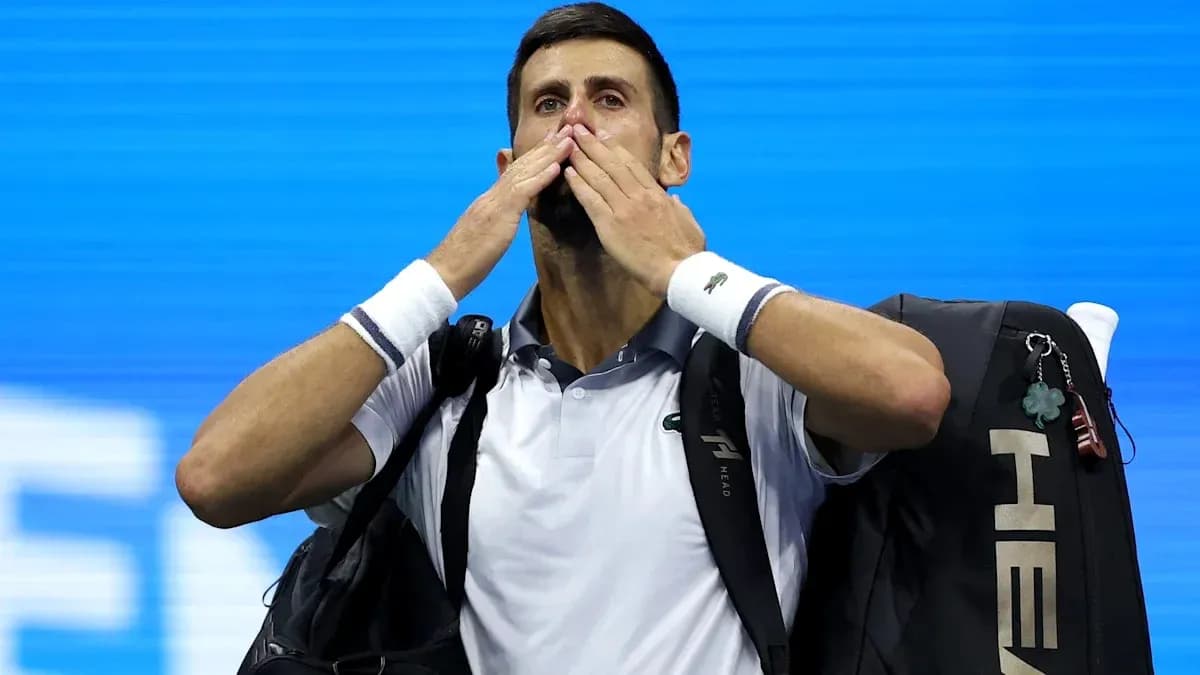
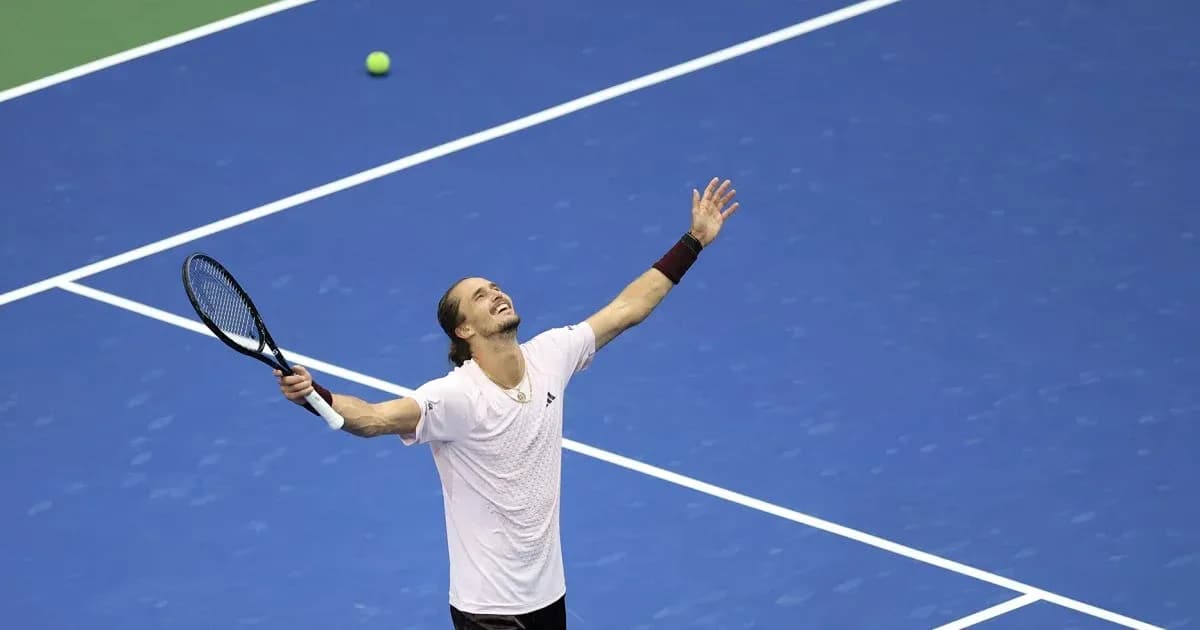
Alexander Zverev walked into Arthur Ashe Stadium chasing confirmation, not discovery. He left with a second Grand Slam title, a Tiffany & Co. trophy in his hands and 23,000 people slowly coming to terms with the fact that the American dream would have to wait.
The German beat Ben Shelton 6-3, 7-6 (2), 5-7, 6-2 on Sunday night, ending a 21-year search for a U.S. men’s champion and halting one of the most electrifying runs Flushing Meadows has seen in years.
The noise belonged to Shelton. The match belonged to Zverev.
Zverev’s steel meets Shelton’s surge
From the start, the contrast was sharp. Zverev, 29, methodical and measured, leaned on his first serve and heavy baseline patterns. Shelton, 23, all coiled energy and risk, tried to punch holes in that structure with explosive forehands and fearless returning.
The first set never really caught fire for the American. Zverev locked in early, protecting his serve and picking his moments on return. Shelton struggled to land enough first serves to dictate, and the German’s discipline did the rest. One break was enough. 6-3, and the veteran had his foothold.
The second set felt like a different sport. Shelton, urged on by a crowd desperate for an American breakthrough, started swinging with more conviction. His returns bit deeper. His forehand, which had looked rushed in the opener, began to rush Zverev instead.
The pressure finally told as games tightened, rallies lengthened, and Shelton dragged the set into a tiebreak. For a moment, Arthur Ashe Stadium believed it was about to tilt. Zverev shut that door with brutal efficiency, racing through the breaker 7-2, his serve and composure dwarfing the occasion.
Two sets down, Shelton stared at a mountain. He chose to climb.
A third-set revolt
Shelton has built a reputation this fortnight on refusal: refusal to fade, refusal to be intimidated, refusal to accept the script. He had already gone 4 hours and 28 minutes with two-time U.S. Open champion Carlos Alcaraz in the quarterfinals, a draining epic that ended at 3:33 a.m. Wednesday. He had then come back to dominate fellow American Frances Tiafoe in four sets on Friday night.
So when he dug in during the third, it felt familiar. He started reading Zverev’s patterns more sharply, taking bigger cuts on the return and daring the German to keep hitting lines. The crowd roared with every hold, every break chance, every extended rally that ended with Shelton uncorking a forehand winner.
Zverev, so controlled for two sets, looked rattled for the first time. Shelton kept pushing, and this time he didn’t blink at the finish. He snatched the third set 7-5, and the stadium exploded. A two-set deficit cut in half. A final suddenly alive.
For a few minutes, it felt like the entire tournament might swing on that surge.
Time violation, no derailment
The fourth set opened with tension crackling through the air. Shelton had momentum. Zverev had scars from past major finals. The match sat on a knife edge.
Then came the flashpoint. Zverev received a time violation and argued his case, protesting to no avail. In a lesser player, that moment could have become the story. For Zverev, it became a line in it.
He reset. He broke. He went up 3-1 and never really looked back.
Shelton, who had poured so much into that third-set comeback, couldn’t quite summon one more surge. Zverev began to dictate again, pinning the American behind the baseline, forcing him into low-percentage swings. When the German broke to lead 5-2, the energy in the stadium sagged. On his own serve, he closed it out with the calm of a man who has learned, sometimes painfully, how to finish these nights.
Second Grand Slam title secured. A summer that started with a French Open crown in June now includes a U.S. Open trophy in September. After two rough early rounds in Queens, Zverev didn’t drop a set from the second round through the final. He arrived with momentum and left with validation.
A night heavy with meaning
The story, though, wasn’t just about a champion. It was about what Shelton represented.
He walked onto Arthur Ashe Stadium as the first Black man to contest a U.S. Open final since 1972, and only the second with a chance to win the title after Arthur Ashe himself in 1968. On the court that bears Ashe’s name, Shelton carried history, expectation, and the hopes of a country starved of a men’s champion since Andy Roddick beat Juan Carlos Ferrero in 2003.
The crowd responded. Fans told NBC News they had traveled from across the country to be there. They weren’t quiet about it.
“He just plays with so much passion and energy,” said Tracie Saundera before the match, thrilled to see a Black man in the final for the first time in her lifetime. “He’s so fun to watch play, and he’s young and enthusiastic. ... I’m old. Most of my players are retiring, so it’s good to see some of the young kids coming in and just being powerhouses.”
University of Florida supporter Junior Pulayya drove from Florida to New York to back the Gators alumnus, seeing more than just one player in this run. “It gets that new generation of kids that follow tennis, that get involved in tennis, that want to get involved in tennis,” he said. “It does so much just for today, but long term for the sport.”
Longtime fan Shameka Littles, from Maryland, watched Shelton step onto Arthur Ashe Stadium with that history on his shoulders and saw something bigger than one night. “To have so many of the top seeds, you know, make it to the semifinals, the quarterfinals — that was exciting in and of itself,” she said. “Hopefully, it just kind of gives, you know, a big boost of energy and excitement for each other.”
Faith, family and a future
The emotional weight of the evening didn’t stop at the baseline.
After receiving the trophy from American legend Jimmy Connors and collecting $5.5 million in prize money, Zverev spoke not about tactics or pressure, but about his mother, who guided him through a diabetes diagnosis at age 4 and never allowed that to define him.
“If he wants to be a tennis player, he’ll be a tennis player,” he recalled her saying. “My mother is the most important and strongest person I know.”
Across the net, Shelton absorbed defeat with the same openness he had shown in victory all fortnight. He thanked God and refused to treat the loss as anything other than part of a larger journey.
“My successes are a gift, the failures are a gift, and being here playing in front of you guys is a gift,” he said.
High in the stands, his girlfriend, Washington Spirit forward Trinity Rodman, wore a Shelton shirt, having started in a 3-0 home loss to Boston Legacy earlier in the day before making it to New York to support him. It was a small snapshot of a larger theme: a young athlete surrounded by belief, even on a night when the scoreboard didn’t cooperate.
Shelton leaves Queens without the trophy, but with something that might last longer: proof that he belongs on this stage, and a nation newly invested in what comes next.
Zverev leaves with his second major, a summer double that underlines his status at the top of the sport.
The American drought continues. The new hope does not.