WTA Chair Apologizes to Jessica Pegula Over Divas Incident
Valerie Camillo has moved quickly and publicly. The Women's Tennis Association chair has apologised directly to Jessica Pegula after a private courtside exchange – never meant for broadcast – was streamed to the world.
The word that travelled fastest was “diva”.
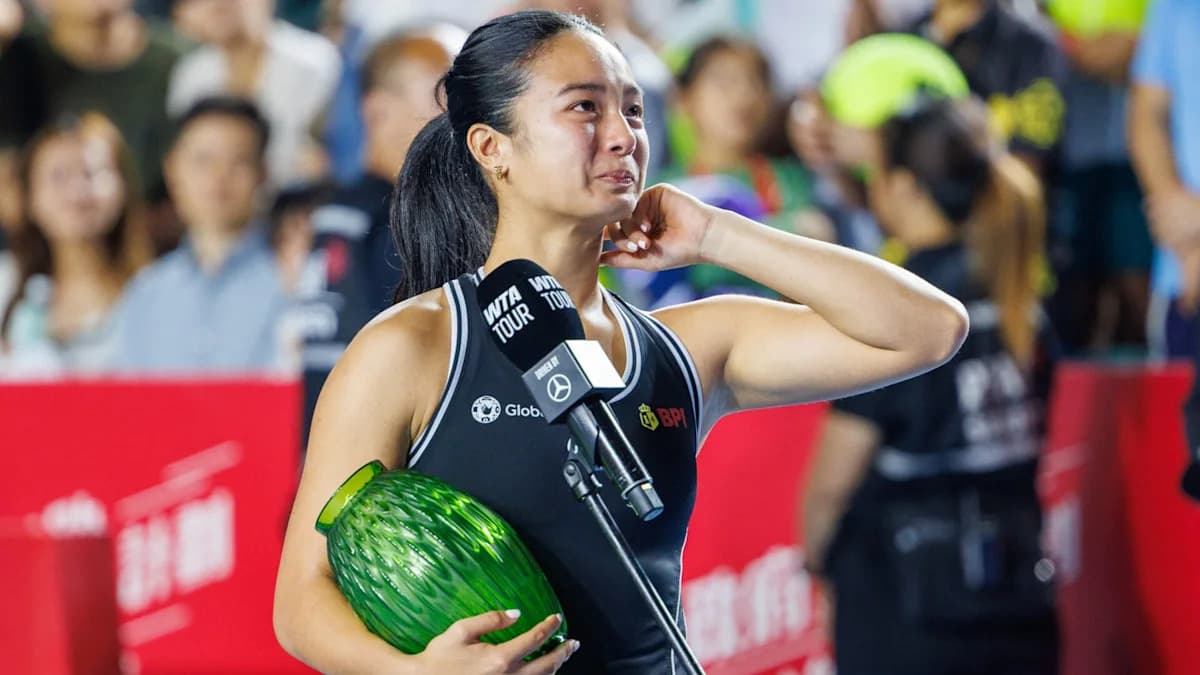
Pegula, preparing for the WTA Finals at Indian Wells, was speaking to her coach Mark Knowles after a practice session when she referred to French Open champion Mirra Andreeva as a “diva” and said the teenager “needs to be humbled”, adding that coach Conchita Martinez encourages her behaviour. It was the sort of blunt, off-camera assessment that lives in the shadows of elite sport.
Only this time, the shadows were wired.
The WTA had placed microphones on the practice courts and failed to tell the players. The conversation, intended to stay between Pegula and Knowles, went out live on a YouTube stream. Clips were quickly lifted, shared, and dissected across social media before the governing body reacted.
Camillo did not try to dress it up.
“I want to specifically apologise to Jessica Pegula and Mark Knowles,” she said, calling the incident “regrettable and unacceptable”. She admitted there had been “a failure in our technical execution and monitoring” and confirmed that all audio recording equipment had since been removed from practice areas.
“Jess is one of the WTA's best advocates and biggest stars. She does not deserve this distraction,” Camillo added, a clear acknowledgement that one of the organisation’s most prominent voices had been let down by its own systems.
Pegula, the world number five, described the episode as “unfortunate” and, through a representative, made it clear she had been “completely unaware” that her comments could be picked up by courtside microphones. She has been in direct contact with those involved.
The WTA tried to stem the damage. Streams of Wednesday's practice sessions at Indian Wells were taken down, but the footage had already escaped into the digital wild. Once the clips hit social platforms, control was gone.
Yet this is not an isolated flashpoint. It drops into a wider, simmering argument about how far the sport should go in opening its doors.
Speaking to ESPN, Pegula framed the incident within a broader trend. “I think it's something that we have fought a lot over the last couple years as there's a lot more surveillance and audio and access to the players at tournaments than there has been in the past,” she said.
She accepted that broadcasters want intimacy and access – “it's great for fans” – but pointed to a pattern. “I think we've seen a couple incidents now throughout the year, [the] last couple of years really, where it just seems highly unnecessary. I think [this will] definitely reignite the topic and, hopefully, we can unfortunately use this incident to keep pushing for more player privacy.”
Players have been sounding the alarm for months. At the Australian Open in January, Coco Gauff called for more privacy after cameras captured her smashing a racquet in the players' area following defeat by Elina Svitolina in the quarter-finals. At the same tournament, Iga Swiatek said she felt players were being watched “like animals in the zoo” by behind-the-scenes cameras.
The tension is obvious. The modern game wants access-all-areas content, raw emotion, unfiltered sound. Players want somewhere to breathe.
Camillo insisted the WTA is “sensitive to player privacy” and said the tour has “policies and procedures in place to balance players' needs for safe spaces with opportunities to bring fans closer to the game”. This time, though, that balance snapped.
“There was a lack of advanced notice and clear signage to assist players about the recording equipment operating in the area,” she admitted.
For now, the microphones are gone from practice courts. The questions, and the clips, are not.