WNBA's Identity Crisis: Balancing Women's Sports and Transgender Activism
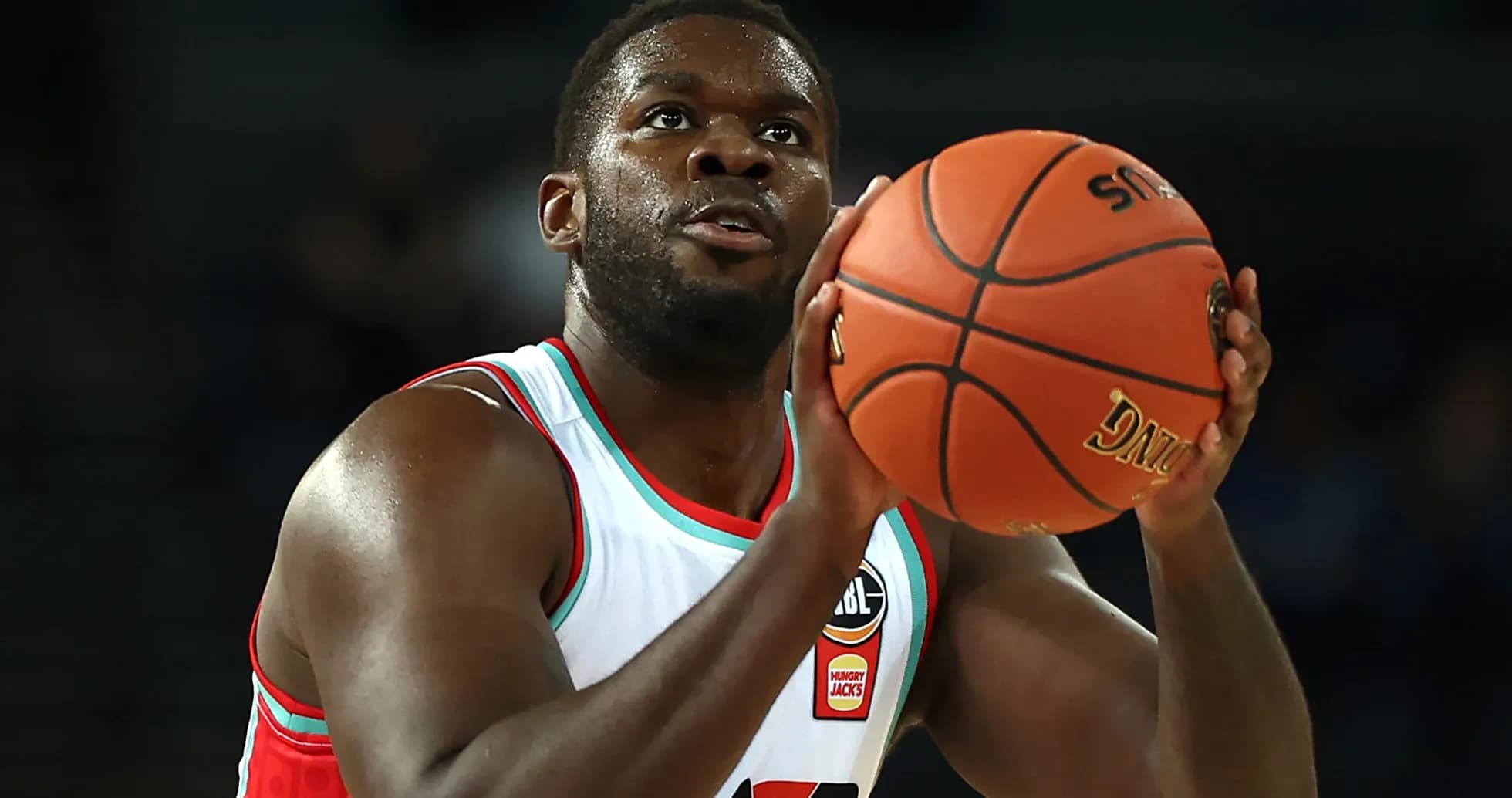
The Women’s National Basketball Players Association stepped into one of the most volatile debates in modern sport earlier this month, issuing a statement on the participation of biologically male players in the WNBA. On the surface, it read like so many institutional manifestos of the era: a familiar roll call of “justice, equity, diversity, and inclusion” set against “hate, abuse…fear, division, and harm.”
But one line cut through the boilerplate: the union said those values “allow it to protect women’s sports while creating transformational change.”
That phrase lands like a fault line.
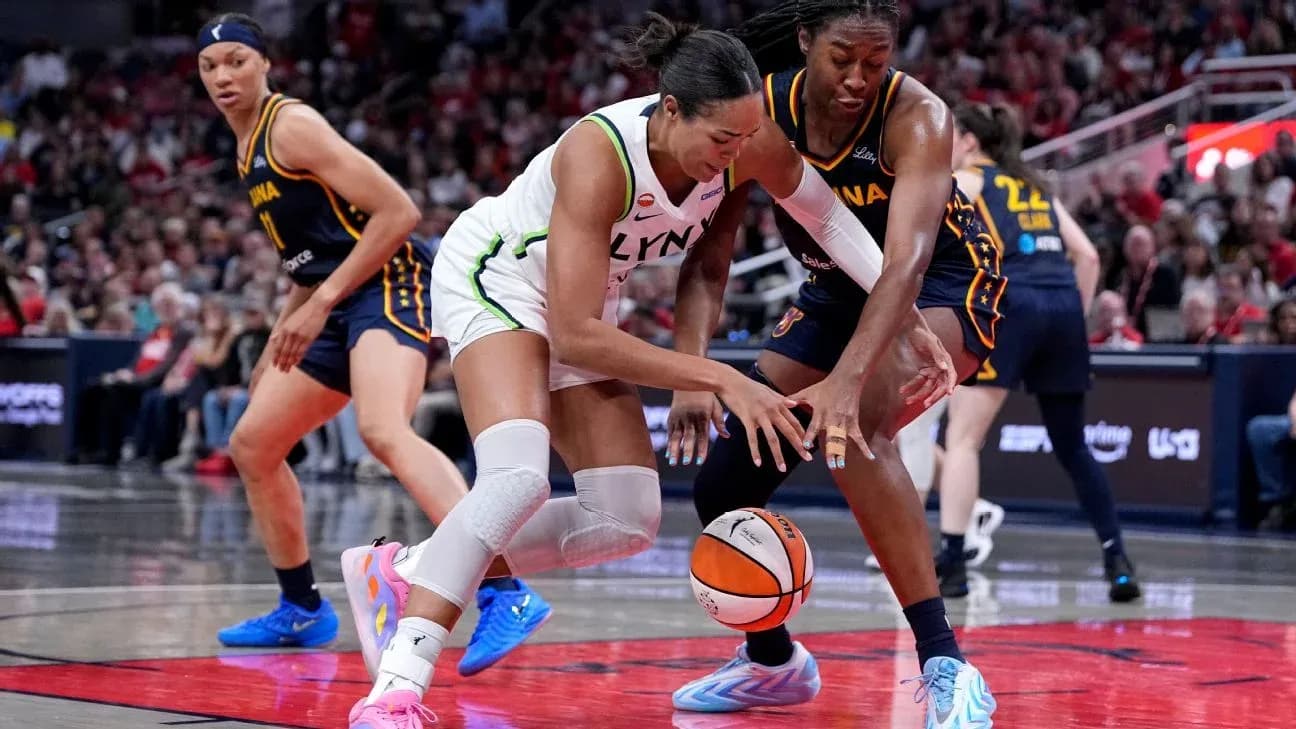
For years, women’s leagues have sold themselves as agents of transformation—social, cultural, political. The WNBA, once a punchline in college sports bars, now sits on an 11-year, US$3-billion television deal. The sneers have given way to serious money, serious audiences, and serious expectations.
So what happens when the transformation actually arrives?
The players have fought for—and finally secured—the kind of financial footing that should let them do what male pros have always done without apology: concentrate on the game. Yet the union’s language suggests the job description still includes something else. Not just winning titles, but carrying the banner for sweeping social causes, including the fraught push to redefine who gets to play in a women’s league at all.
That tension now sits at the heart of the WNBA’s identity crisis.
On the court, the product has never been stronger. Off it, the league is trying to run two clashing missions at once: stage an elite women’s competition while nodding along with a strain of transgender activism that, in practical terms, undercuts the very idea of protected female categories in sport.
Everyone inside the game understands the stakes. The notion of female-identified men competing against women—something four former NBA players have publicly floated—is treated as an absurdity in private. Competitive integrity, player safety, and basic fairness all point in one direction.
Yet the league has balked at writing that reality into its rulebook. To do so, its leaders seem to believe, would betray the “transformational” image they’ve carefully cultivated.
So the WNBA tries something else: silence.
Rather than confront the contradiction, the message from the top is to keep the conversation down. Raise concerns and you risk being accused of “sowing divisiveness.” Question the orthodoxy and you might find yourself labeled a bigot. Golden State Valkyries head coach Natalie Nakase has already branded dissenting voices as peddlers of “hate speech,” a loaded charge in any context, a chilling one in a sports arena.
This is the surreal twist. A league built explicitly for women—the clue is right there in the first letter—now finds some of its most prominent figures unwilling, or unwilling to admit, that they can define what a woman is.
It’s a mess, but not one that can be pinned on the usual villains. This isn’t about the entrenched sexism that early pioneers in women’s sport had to fight just to get courts, fields, or funding. It’s not a backlash whipped up by talk-radio outrage merchants. It’s not the handiwork of political bogeymen.
This is an internal conflict, a collision between the hard limits of biology and the expansive rhetoric of modern activism, playing out inside the very institutions women built for themselves.
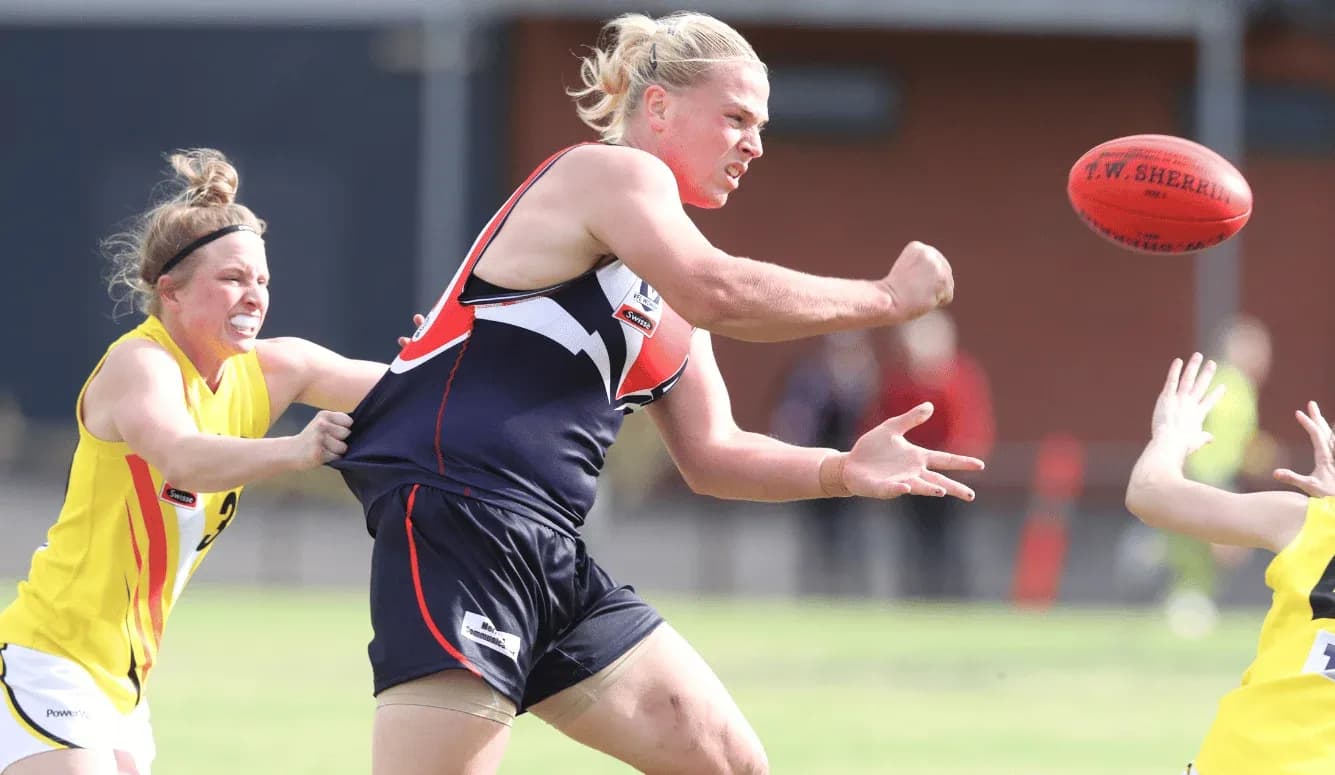
And it’s not confined to basketball. The same fault lines are beginning to show in other codes, including Australian Rules Football, where the definition of women’s sport—and who it is for—faces the same unforgiving questions.