Willy Hutchinson Becomes WBC Light-Heavyweight Champion with Victory Over Joshua Buatsi
Willy Hutchinson walked into the AO Arena chasing a childhood promise. He walked out with a WBC light-heavyweight belt strapped around his waist and a career-defining win over Joshua Buatsi on his record.
On a muted Manchester night, with the upper tier closed and empty seats dotted around the arena, Hutchinson produced the loudest performance of his life.
The judges scored it 117-112, 115-113, 115-113. Close, but clear enough. The Scot had avenged his 2024 defeat and become the eighth British fighter to hold the WBC light-heavyweight title, the first since Nathan Cleverly nine years ago.
A Different Hutchinson, A Diminished Buatsi
Two years ago, Buatsi walked to the ring as the coming man. He dropped Hutchinson twice to edge a split decision and looked like a fighter on the cusp of something bigger.
This time, he looked like a man chasing a version of himself that no longer exists.
Fight week had been dominated by whispers that Buatsi, now 35, was sliding. He did nothing to silence them. The plan was familiar: go downstairs, whip those heavy shots into the body, break the Scot’s rhythm and will. It worked in 2024.
On Saturday, it bounced off a very different fighter.
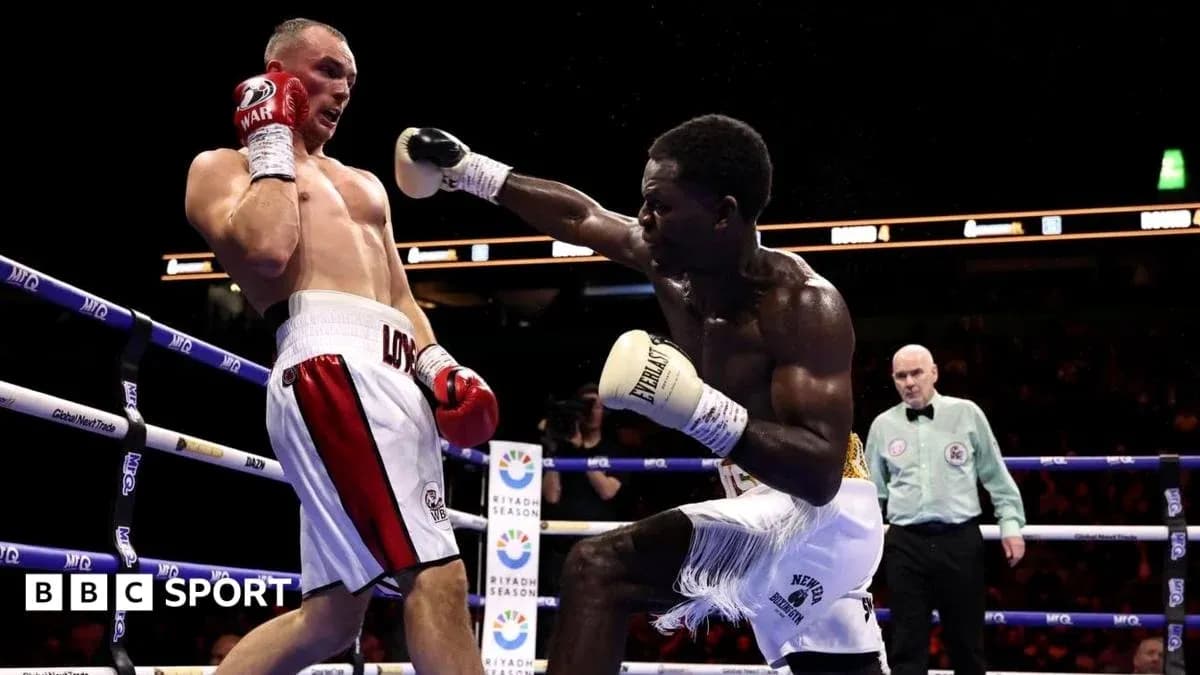
Hutchinson, 28, has spoken about “maturing” since that first meeting, and it showed. He met Buatsi in the centre of the ring and, at times, toyed with him there. He slid away from those body shots, jabbed sharply, switched stances, and refused to be bullied. When Buatsi pressed, Hutchinson had answers. When Buatsi slowed, Hutchinson took the initiative.
The Londoner, five years older and supposedly wiser, looked short of ideas. The same punches that once sent Hutchinson tumbling now sliced through air or glanced off gloves and shoulders. The menace was missing.
A Belt No One Expected to Be Available
This was supposed to be for the interim title. A good fight, a meaningful one, but not the pinnacle.
Then David Benavidez vacated, choosing to move up to cruiserweight, and the stakes changed overnight. The WBC gold was suddenly on the line. A rematch between two men with history turned into a coronation night for whoever could seize it.
Hutchinson seized it.
He entered to cheers, a clear crowd favourite in a city that knows its boxing. Buatsi was met by boos as he circled the ring before the opening bell, a stark contrast to his aura of inevitability in their first encounter.
The AO Arena has seen bigger nights. Ricky Hatton turned the place into a cauldron in 2005 when he toppled Kostya Tszyu. This was not that. The top tier was shut, ticket sales were modest, and many of Jack Rafferty’s fans drifted out after his co-main event win.
But those who stayed made themselves heard. Every Hutchinson flurry, every clean jab, every Buatsi miss drew a reaction. The noise grew with each round.
“Three Rounds and You’re a World Champion”
By the championship rounds, the pattern was set.
Hutchinson’s jab had become the metronome of the fight. He fired rapid triples, stepped in and out, and kept Buatsi reaching, resetting, chasing. He mixed in stance switches, giving Buatsi different looks, never letting him settle into the kind of destructive rhythm that defined their first meeting.
At ringside, Manchester cult figure Bez of the Happy Mondays watched on, another odd but fitting detail on a night that felt both low-key and significant.
In the corner after the ninth, Hutchinson heard the words every fighter dreams of: “Three rounds and you’re a world champion.” It wasn’t a slogan. It was the truth.
He boxed like a man who believed it. Buatsi did rally late, pushing forward, trying to close the distance and force the issue, but it was too little and too predictable. Hutchinson held his shape, held his nerve, and held the centre when he needed to. The final bell brought no drama, only a sense of inevitability.
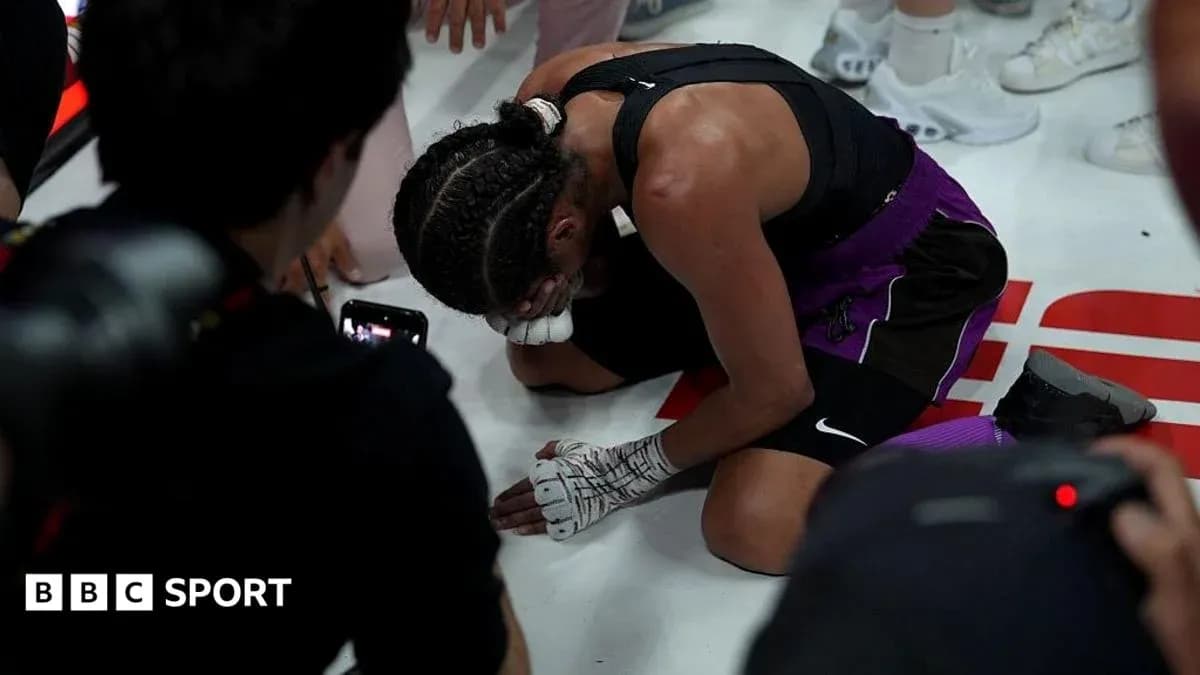
When the scores were read and his hand went up, the emotion spilled out. This was not just a belt. It was the fulfilment of a promise scribbled in a book by a 13-year-old boy whose dad was working in Sweden, a boy who had written that he would one day become a world champion.
He reminded everyone of that story in the ring, voice cracking as he thanked the coach who, in his words, dragged him out of a hole he never thought he’d escape. To Hutchinson, this was all “a bonus baby.” To the division, it was a statement.
From prospect to nearly man to WBC light-heavyweight champion, Willy Hutchinson has finally stepped into the role he wrote for himself as a teenager. The question now is simple: who dares to try and take it off him?