How to Watch the 2026 US Open: Live Coverage and Streaming Options
The first round is in the books. The early nerves are gone, the rhythm is set, and Day 5 of the 2026 US Open is loaded with heavyweight names and high‑stakes tennis in Queens.
Alexander Zverev against Quentin Halys. Coco Gauff under the lights facing Paula Badosa. Naomi Osaka back on a Grand Slam hard court. The kind of schedule that makes you cancel plans and reach for the remote.
If you don’t have cable, that doesn’t mean you miss out. You just need to know where to look.
Where the US Open Lives on TV
In the United States, the US Open belongs to ESPN.
The bulk of the tournament airs on ESPN and ESPN2, with selected matches also shown on ABC and through the ESPN app. Any streaming setup you choose has to unlock those channels, or you’re stuck with score updates instead of live drama.
Here’s how the main options line up:
- DirecTV
The base package starts at $59.99 for the first month and includes ABC and ESPN+. That gets you into the tournament’s main coverage window. - ESPN Unlimited
A direct route to the network’s live sports and archived shows from $29.99 per month. Ideal if you want ESPN content without a full live‑TV bundle. - Fubo
A sports‑centric option. Its Sports plan, at $65.99 per month, carries ABC, ESPN, and ESPN2, with a quarterly pricing alternative for those who prefer to pay less often. - Sling
Sling’s Essentials plan delivers ESPN and ESPN2 for $19.99 per month, one of the cheaper doors into the Open. There’s also a Sling TV Day Pass at $4.99 if you only care about a specific day’s slate. - YouTube TV
Its Sports Plan includes ABC, ESPN, and ESPN2 for $64.99 per month, offering a full major‑network setup for the fortnight.
The message is simple: if your package has ABC, ESPN, and ESPN2, you’re in business.
How to Watch for Free in the US
Not everyone wants to commit to a monthly bill for two weeks of tennis.
If you’re in the US and don’t currently subscribe to a live TV service, you may be able to ride the tournament on free trials. DirecTV, FuboTV, and YouTube TV all offer trial periods that can cover a chunk of the Open, if you time them right.
There’s also another route, and it runs through Australia.
The Australian Shortcut: 9Now and a VPN
In 2026, Australian broadcaster 9Now is streaming the US Open for free. That’s a gift if you’re in Australia. If you’re not, you’ll need a bit of tech help.
A virtual private network (VPN) lets you connect to a server in another country and access region‑locked content. With a VPN, you can appear to be in Australia and watch the 9Now coverage.
The basic playbook looks like this:
- Subscribe to a streaming‑friendly VPN such as ExpressVPN.
- Download the VPN app on your preferred device.
- Connect to a server based in Australia.
- Head to 9Now and start streaming the US Open.
Most top‑tier VPNs aren’t free, but many offer a trial period for first‑time users. Use that window well and you can watch the Open without paying for a long‑term subscription.
Fine‑Tuning Your Viewing Setup
Once you’re in, you can still improve the experience.
Many modern TVs include a motion‑smoothing feature that can make fast‑moving sports look cleaner and sharper. Turning it on for tennis can help track those 130 mph serves and baseline rallies more comfortably.
Just remember to switch it off when the day’s play ends. That same setting can give films and TV shows that overly glossy “soap opera” effect that directors hate and viewers rarely ask for.
Today’s Key Matches – September 2
Play starts at 11 a.m. ET, but the real intrigue is scattered across the day.
Women’s Singles – Round Two
- 11:30 a.m. ET
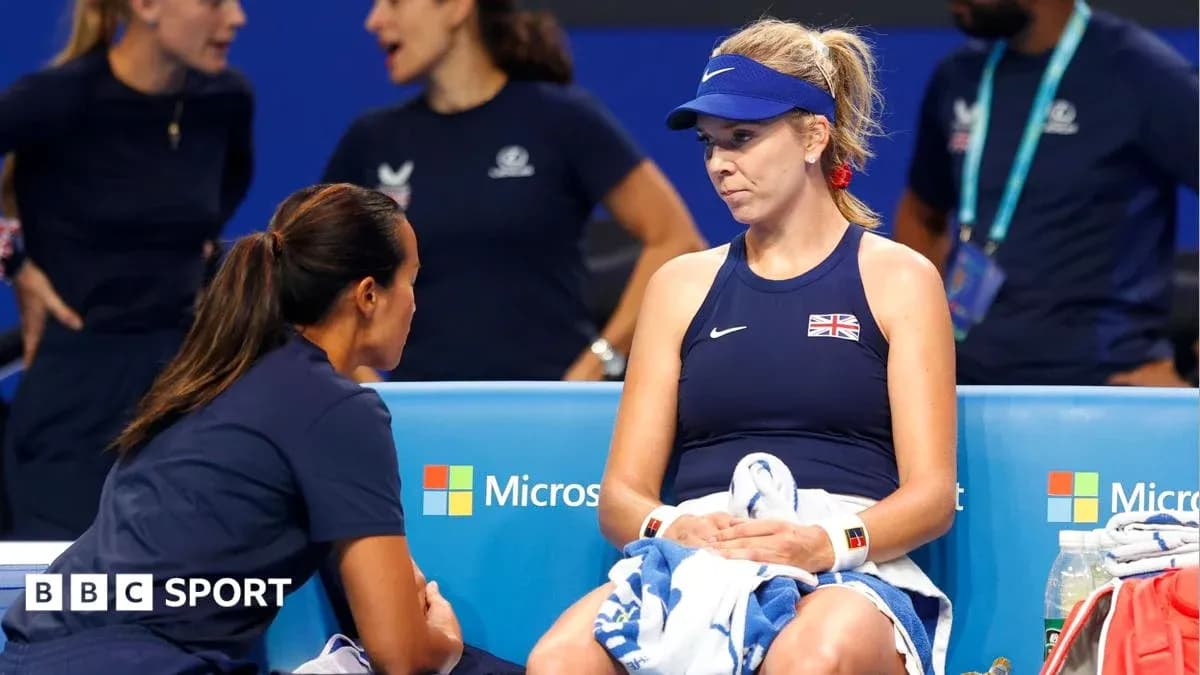
Naomi Osaka vs. Kateřina Siniaková
Osaka’s return to the Grand Slam stage always draws eyes, and Siniaková won’t be a passive partner in this one. - 12:40 p.m. ET
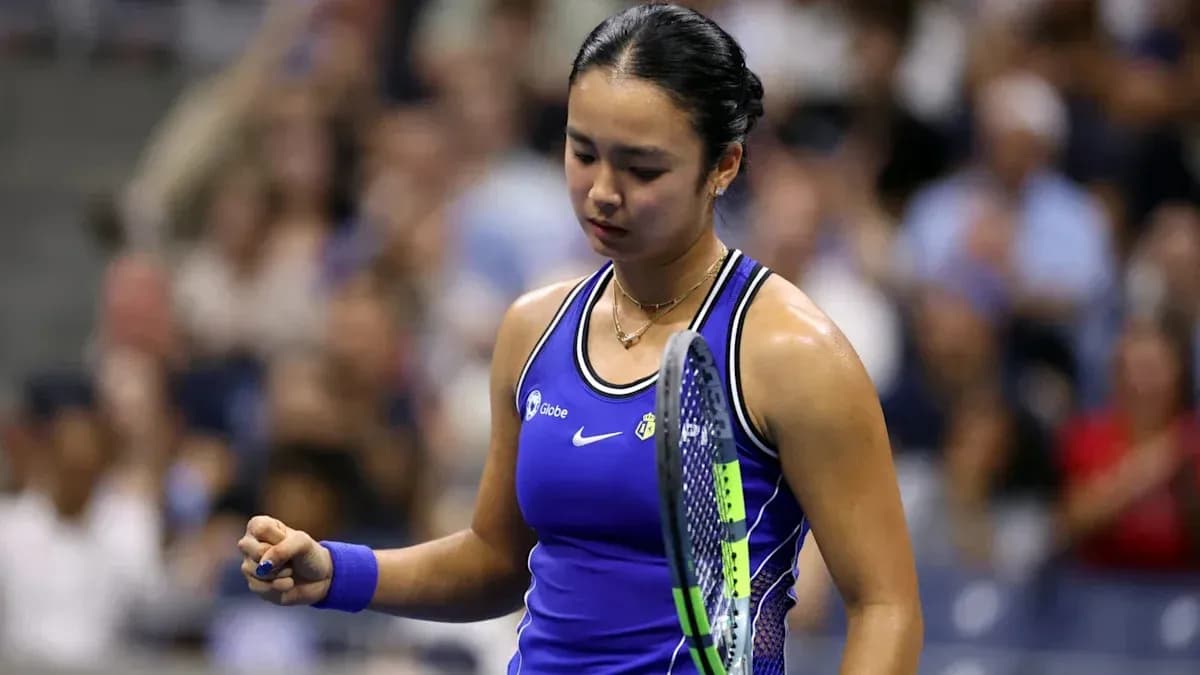
Alex Eala vs. Oleksandra Oliynykova
A chance for rising names to grab the spotlight before the evening session steals it. - 7 p.m. ET
Coco Gauff vs. Paula Badosa
Prime‑time tennis in New York. Gauff carries the home expectation; Badosa brings enough firepower to spoil the party.
Men’s Singles – Round Two
- 11 a.m. ET
Félix Auger-Aliassime vs. Karen Khachanov
Two big hitters, both dangerous on hard courts, both capable of going deep if they catch form. - 1 p.m. ET
Taylor Fritz vs. Mattia Bellucci
Fritz, one of the American standard‑bearers, faces the kind of match he has to win to justify that status. - 7 p.m. ET
Learner Tien vs. Gael Monfils
Youth against experience. Tien’s energy against Monfils’ flair and showmanship. - 8:10 p.m. ET
Alexander Zverev vs. Quentin Halys
Zverev enters as a top seed and title contender. Halys gets the night stage and the chance to disrupt the script.
The Shape of the 2026 US Open
The US Open stretches across three weeks, anchoring late August and early September at the USTA Billie Jean King National Tennis Center in Queens, New York.
For 2026, the dates are:
- August 23 – September 13
The event breaks down like this:
- Qualifying events: August 24–27
- Men’s and women’s singles main draw: August 30–September 13
- Mixed doubles: August 24–26
- Men’s and women’s doubles: September 3–12
- Junior events: September 3–12
- Wheelchair events: September 8–12
The business end of the tournament lands on the final weekend:
- Women’s Doubles Final: Friday, September 11
- Women’s Singles Final and Men’s Doubles Final: Saturday, September 12
- Men’s Singles Final: Sunday, September 13
First played in 1881, the US Open is the second‑oldest of the four Grand Slams, trailing only Wimbledon. The hard courts in Queens, the night sessions, the noise – it has its own edge, its own identity.
Who’s Chasing the Trophy?
The 2026 draw is stacked with pedigree: 17 former Grand Slam singles champions, 10 of them past US Open winners. Experience is everywhere you look.
On the men’s side, there’s one notable absence. Jannik Sinner has been ruled out through injury, a significant hole in the top tier of contenders.
That shifts more of the spotlight onto:
- Alexander Zverev (1)
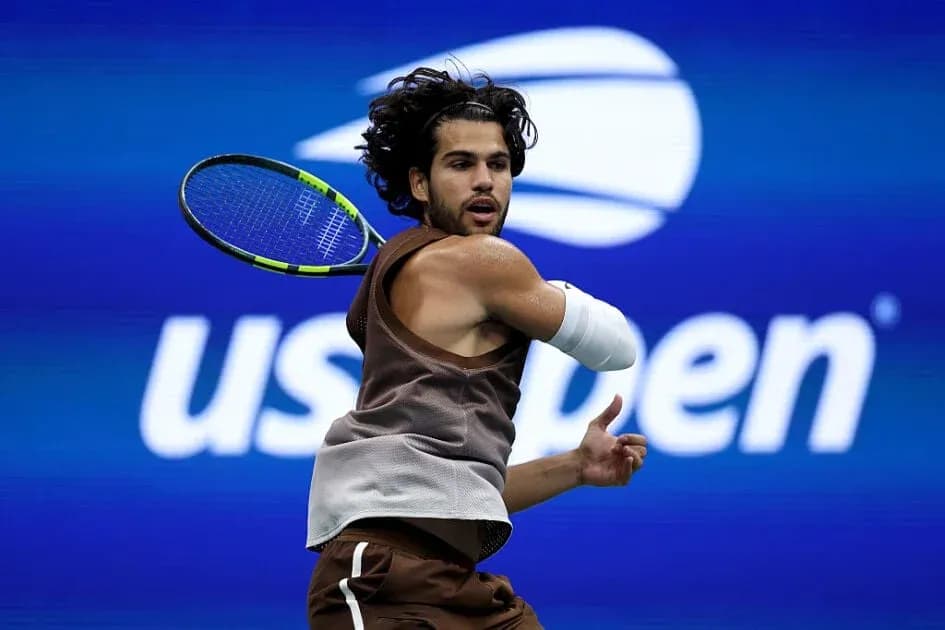
- Carlos Alcaraz (2)
- Félix Auger-Aliassime (3)
They form the top three seeds in the men’s competition and the core of the title conversation.
In the women’s draw, the leading trio reads:
- Aryna Sabalenka (1)
- Elena Rybakina (2)
- Jessica Pegula (3)
Sabalenka brings raw power, Rybakina the clean baseline artillery, Pegula the home‑nation hope with top‑three status.
The United States leads all nations with 28 players in the main draw. Beyond Pegula and Gauff, the American contingent features Amanda Anisimova, Ben Shelton, Taylor Fritz, and veteran presence from Venus Williams.
A deep, noisy home roster. A tournament that thrives on night‑session electricity. And a schedule that only gets tougher from here.
The stage is set. The only question now is who can turn these two weeks in Queens into something unforgettable.