US Open Night Sessions Draw Criticism from Players and Fans
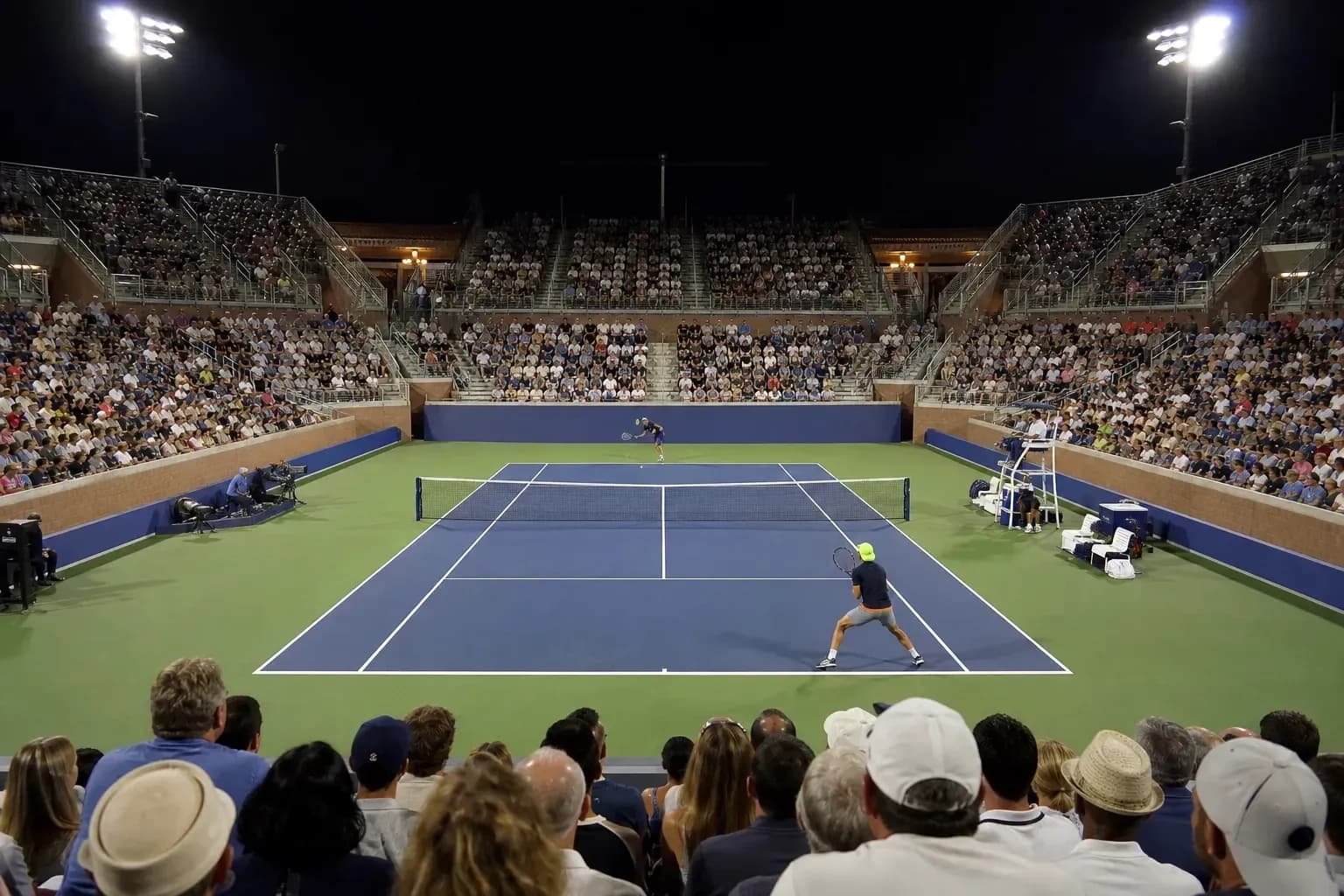
The US Open has always sold itself as tennis’ great night out. This year, the party is running so late that players and fans are wondering where the line is.
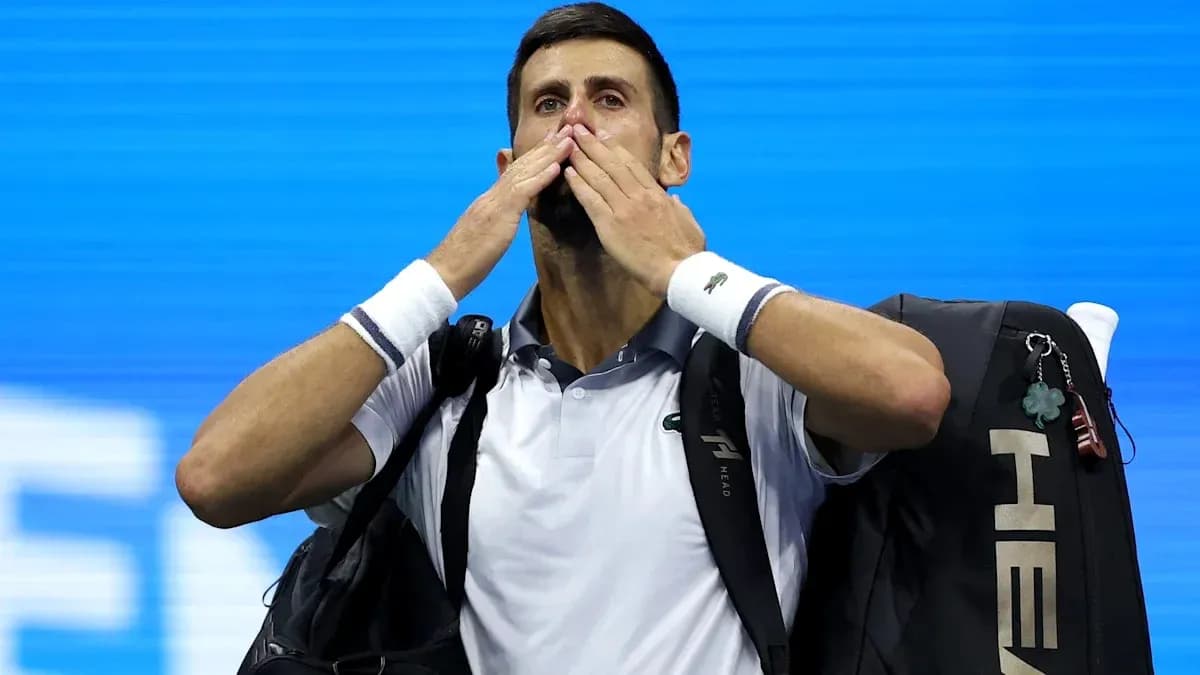
The flashpoint came in the quarterfinals, when Ben Shelton stunned defending champion Carlos Alcaraz in a match that didn’t end until 3:33 a.m. on Wednesday — the latest finish in the tournament’s history. By then, the stadium was half-asleep, the city that never sleeps finally tested on its own slogan.
That match was no outlier. During the first week, three contests dragged on beyond 2:00 a.m., with two more spilling well past midnight. The latest-starting match, involving Venus Williams, didn’t even begin until 12:13 a.m.
At some point, “prime time” turns into something else entirely.
Venus Williams: “Room for improvement”
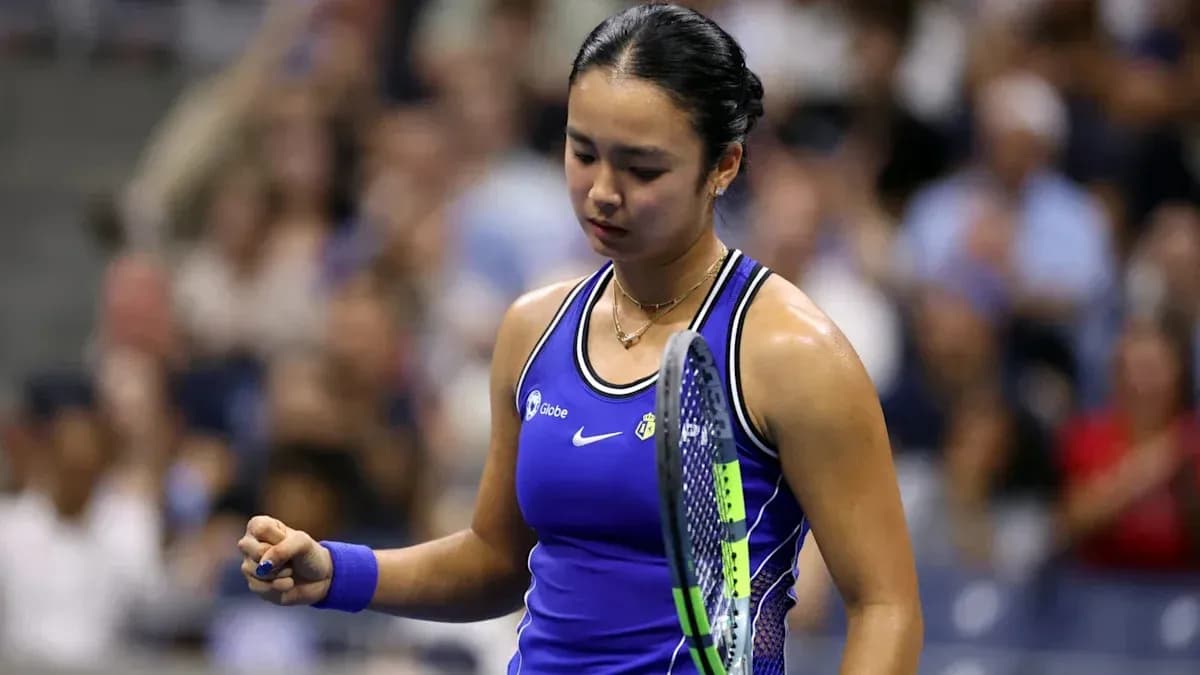
Williams, 46 and still grinding through tour-level tennis, walked onto court for that after-midnight start and walked off unimpressed with the schedule.
After her first-round loss to Sofia Kenin, she didn’t bother dressing it up. A start time after midnight, she said, was far from ideal. She pointed out that she couldn’t think of another major sport where athletes are asked to begin competition so late at night, and made it clear there is room for the tournament to do better with its timetable.
When a seven-time major champion questions the basic conditions of play, people listen.
Pegula widens the lens
American Jessica Pegula, ranked No. 3 in the world, pushed the debate beyond the usual talking points of recovery and fairness.
For her, this isn’t just about tired legs and disrupted sleep cycles. It’s about the entire ecosystem around the event. Matches that crawl past midnight hit everyone: fans trying to get home, broadcasters juggling schedules, tournament staff working into the early hours, media filing stories at dawn.
Pegula openly questioned the logic of finishing at 2:00 a.m. or later and floated a simple adjustment — start the evening session an hour earlier. One small tweak, potentially a big shift in how the night unfolds.
Organizers caught between TV, traffic and tradition
Tournament officials know they have a problem. A US Open representative described Tuesday as one of the most unusual days in the event’s history and accepted that the schedule needs a hard look.
The fix, though, is not straightforward. Moving evening sessions earlier than 7:00 p.m. runs into the reality of New York life. Fans pour in from offices across the city; they need time to reach Flushing Meadows after work. Organizers also have to manage the flow between day and night sessions, keeping the grounds from clogging while still packing the stands.
The US Open has built its brand on those electric night crowds. Any change risks dulling that edge.
Best-of-three debate looms
One of the more radical ideas on the table: trimming men’s early-round matches from best-of-five sets to best-of-three.
Shorter matches would ease the logjam. Fewer epics, fewer 1:45 a.m. fifth sets. But the cost is obvious to traditionalists. Best-of-five has shaped the identity of men’s Grand Slam tennis for generations, and some of the sport’s greatest matches exist precisely because players had the room to stretch into a fourth or fifth set.
American Frances Tiafoe has nailed his colours to the mast. He wants the format to stay as it is, stressing that five-set battles have delivered many of tennis’ defining contests. Take that away, and you chip at the soul of the event.
So the US Open stands at a crossroads: protect its late-night drama or protect its players and fans from nights that run into the next day. The next scheduling call won’t just decide when the last ball is struck — it will say what kind of tournament the US Open wants to be.