US Open 2026 Quarterfinals Preview: Key Matchups and How to Watch
The US Open has hit quarterfinals week, and the draw is crackling with storylines. Stars are colliding, Americans are pushing deep, and the hard courts of Queens are about to decide who survives the season’s final Grand Slam gauntlet.
And you don’t need a cable box to see any of it.
Sabalenka, Pegula, Alcaraz head a stacked day in New York
Play begins at 11:30 a.m. ET, and the schedule wastes no time.
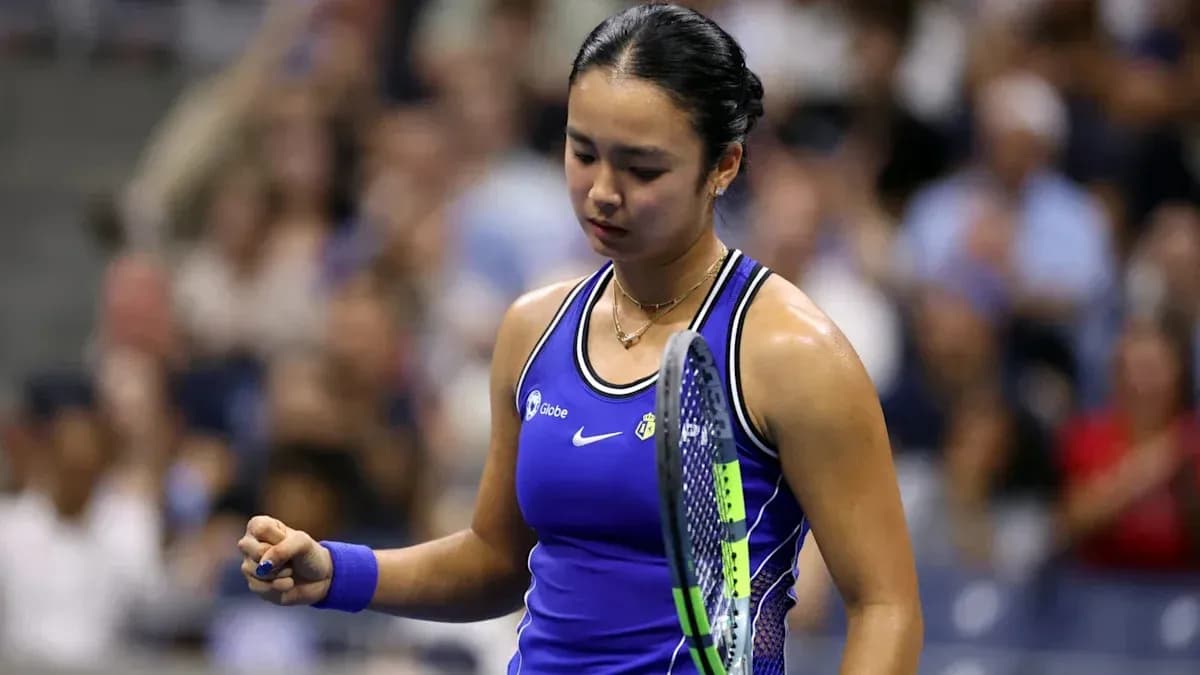
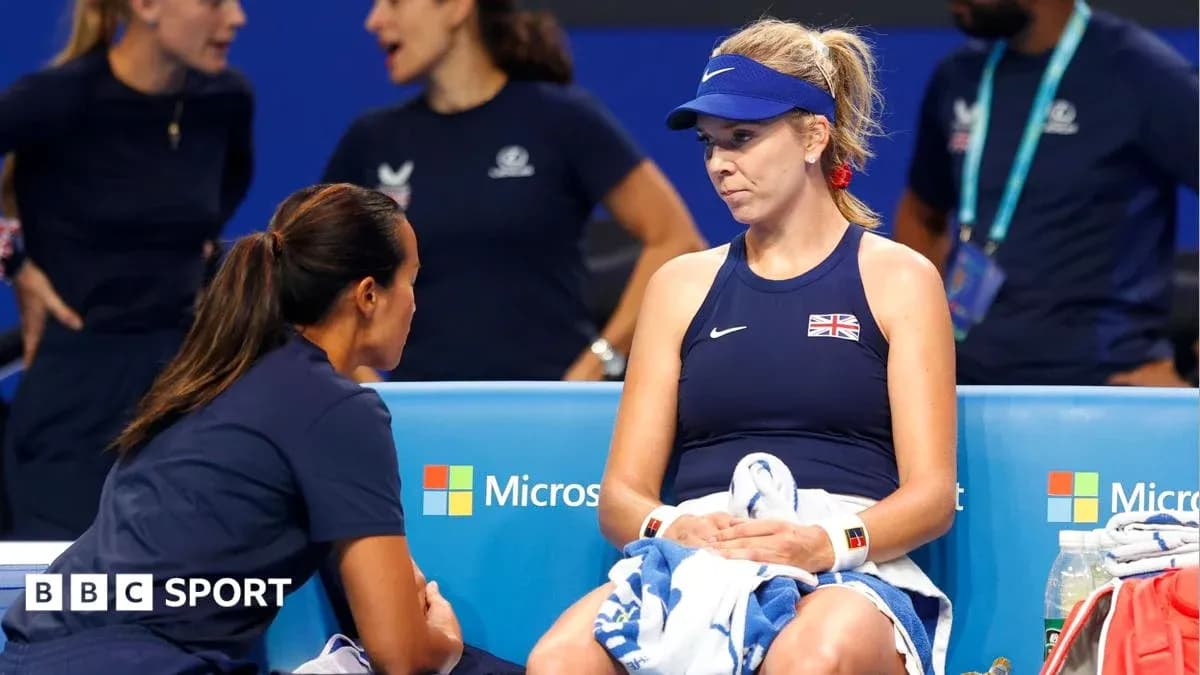
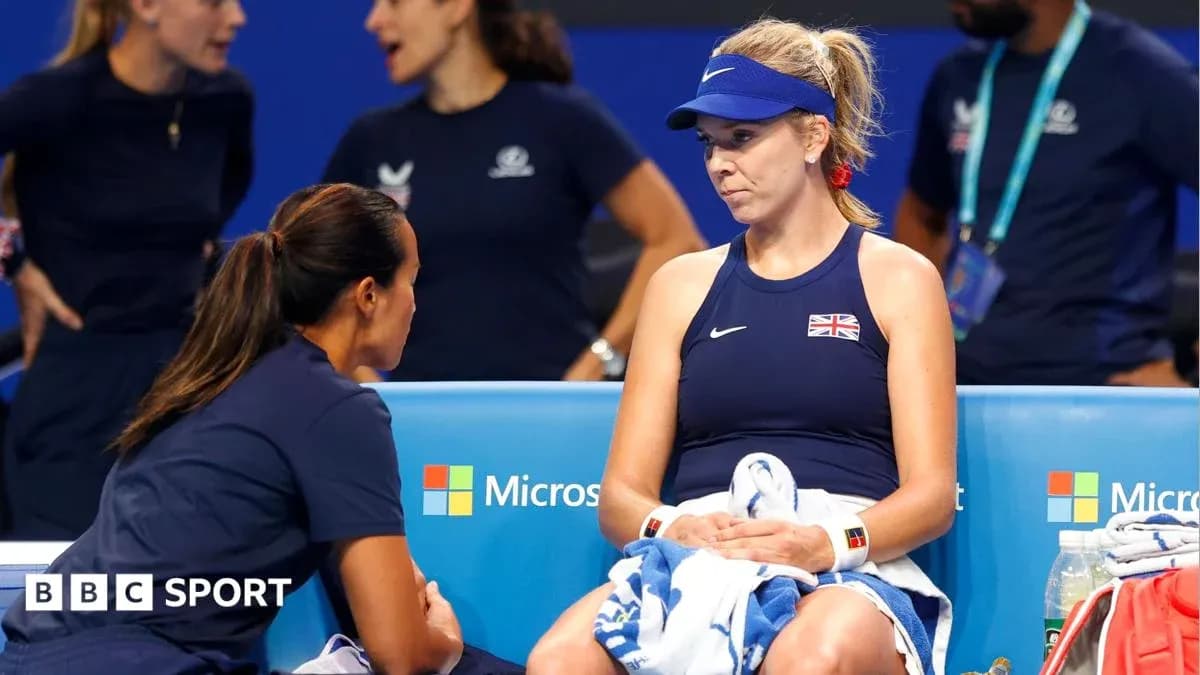
On the women’s side, top seed Aryna Sabalenka opens the day against Linda Noskova at 11:30 a.m. ET. Under the lights, American No. 3 seed Jessica Pegula meets Emma Navarro at 7 p.m. ET in an all-U.S. clash that will carry a heavy home-crowd roar.
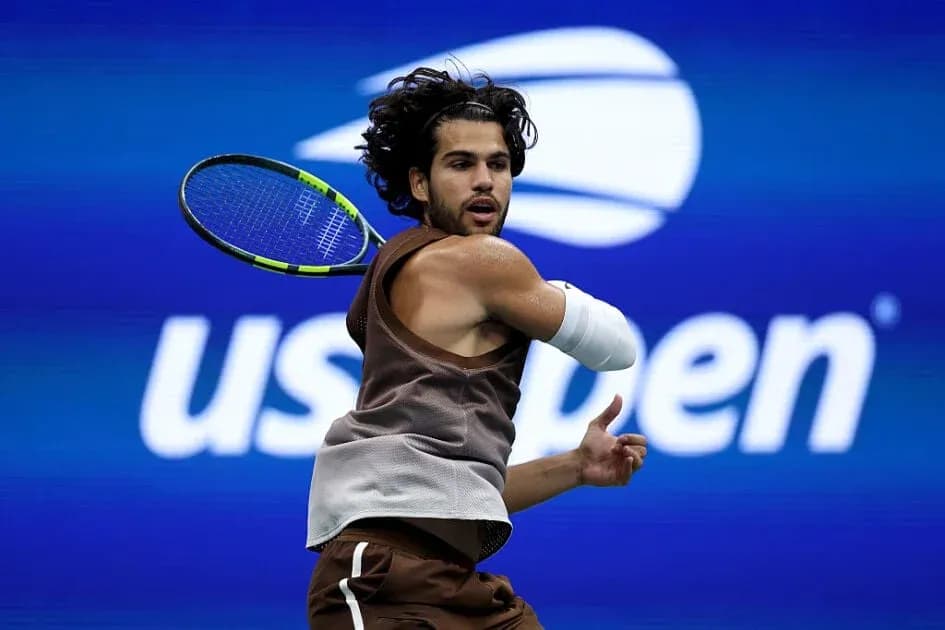
The men’s singles slate mirrors that intensity. Frances Tiafoe faces rising countryman Alex Michelsen at 11:30 a.m. ET, a matchup that pits experience against one of the most intriguing young American talents. At 7 p.m. ET, Ben Shelton steps into a blockbuster against Carlos Alcaraz, the Spanish phenomenon chasing another New York run.
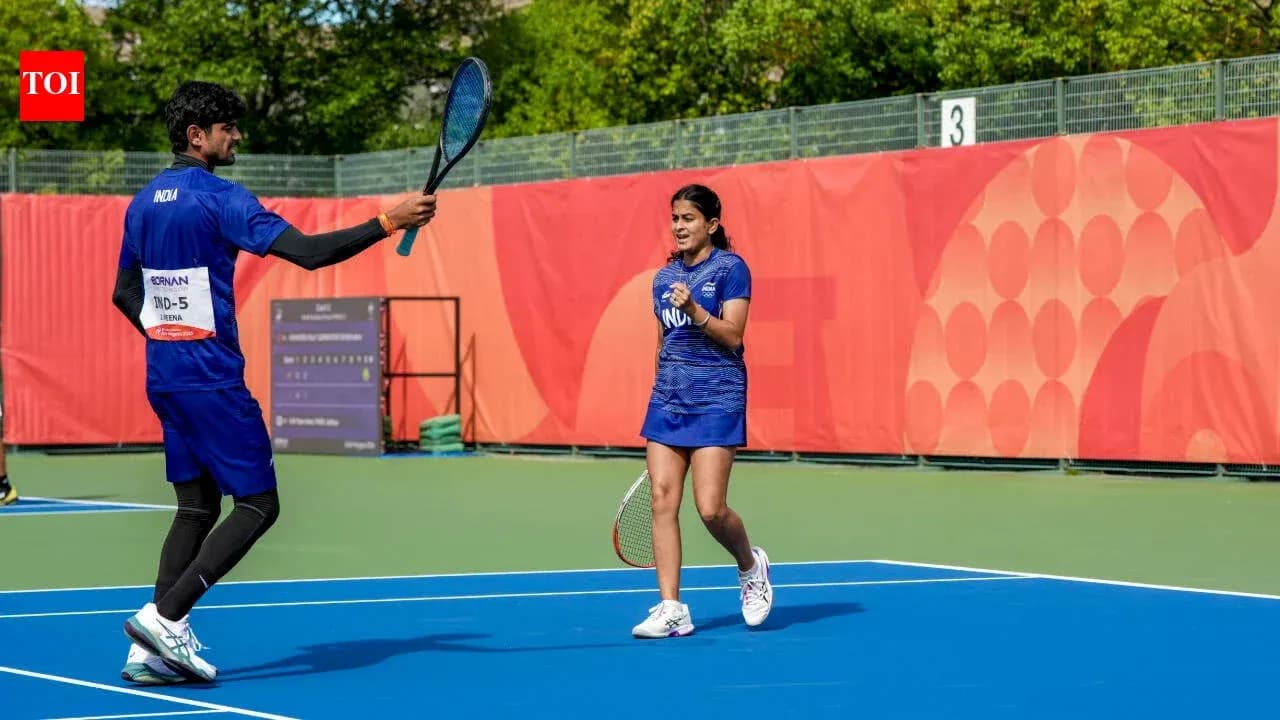
Around those headliners, the courts will be busy with men’s and women’s doubles, mixed doubles, juniors, and wheelchair competition as the tournament moves into its decisive phase.
Where the US Open lives on TV and streaming
In the United States, ESPN holds the rights to the US Open, with selected matches also airing on ABC and through the ESPN app. That’s the core trio you need: ABC, ESPN, ESPN2.
If you’ve cut the cord, several live TV services and ESPN’s own platform can get you into Flushing Meadows:
- DirecTV: The base package starts at $59.99 for the first month and includes ABC and ESPN+.
- ESPN Unlimited: Live sports and archived ESPN programming from $29.99 per month.
- Fubo: Carries ABC, ESPN, and ESPN2 in its Sports plan at $65.99 per month, with a quarterly option available.
- Sling: The Essentials plan includes ESPN and ESPN2 for $19.99 per month. A Sling TV Day Pass at $4.99 lets you drop in just for a day of tennis.
- YouTube TV: Its Sports Plan includes ABC, ESPN, and ESPN2 for $64.99 per month.
Check the official daily order of play: some marquee matches will slide onto ABC, others stay on ESPN or the app. If your package has those three channels, you’re covered.
How to watch the US Open for free in the US
If you don’t want to commit to a subscription, free trials are the obvious opening.
DirecTV, FuboTV, and YouTube TV all offer trial periods that can carry you through key rounds if you time them right. Sign up, stream the Open, and decide later whether to stay on.
There’s another route, too. In Australia, 9Now is streaming the 2026 US Open for free. Fans in the US, UK, or other regions who can’t tap into a domestic free trial may be able to access that coverage by using a virtual private network (VPN) that connects to an Australian server.
Using a VPN to unlock 9Now’s free US Open stream
A VPN can route your connection through another country, letting you access geo-restricted broadcasts. For this tournament, that means you can potentially watch the Australian coverage of the Open at no extra cost beyond the VPN itself.
The basic playbook:
- Subscribe to a streaming-friendly VPN service (ExpressVPN is one widely used option for location spoofing).
- Download and install the VPN app on your preferred device.
- Connect to a server based in Australia.
- Go to 9Now and start the US Open stream.
Most of the top VPNs are paid services, but many offer free trials or money-back windows for first-time users. Use that window well, and you can watch the tournament without adding a permanent subscription to your monthly bills.
Fine-tuning your viewing setup
Once you’re in, one small tweak can change how the game feels on your screen. Turning on your TV’s motion-smoothing setting can make fast-paced tennis look cleaner and more fluid, especially on larger displays.
Just remember the trade-off. Leave that setting on when you go back to dramas or films, and you’ll get the dreaded “soap opera effect.” Tennis on: motion smoothing on. Match over: turn it off.
A three-week New York marathon
The 2026 US Open stretches across three packed weeks at the USTA Billie Jean King National Tennis Center in Queens, running from Sunday, August 23, to Sunday, September 13.
The structure of the event:
- Qualifying events: August 24–27
- Men’s and women’s singles main draw: August 30–September 13
- Mixed doubles: August 24–26
- Men’s and women’s doubles: September 3–12
- Junior events: September 3–12
- Wheelchair events: September 8–12
Finals weekend sets the stage for the sport’s biggest trophies:
- Women’s Doubles Final: Friday, September 11
- Women’s Singles Final and Men’s Doubles Final: Saturday, September 12
- Men’s Singles Final: Sunday, September 13
First played in 1881, the US Open is the second-oldest of the Grand Slams, trailing only Wimbledon. It carries that history into every night session, every tiebreak, every roar that spills out of Arthur Ashe Stadium and into the Queens air.
Who’s chasing the 2026 US Open crown?
The 2026 field is loaded with pedigree: 17 former Grand Slam singles champions are in the draw, 10 of them past US Open winners. The men’s tournament lost one major name when Jannik Sinner was ruled out through injury, reshaping the top of the seedings.
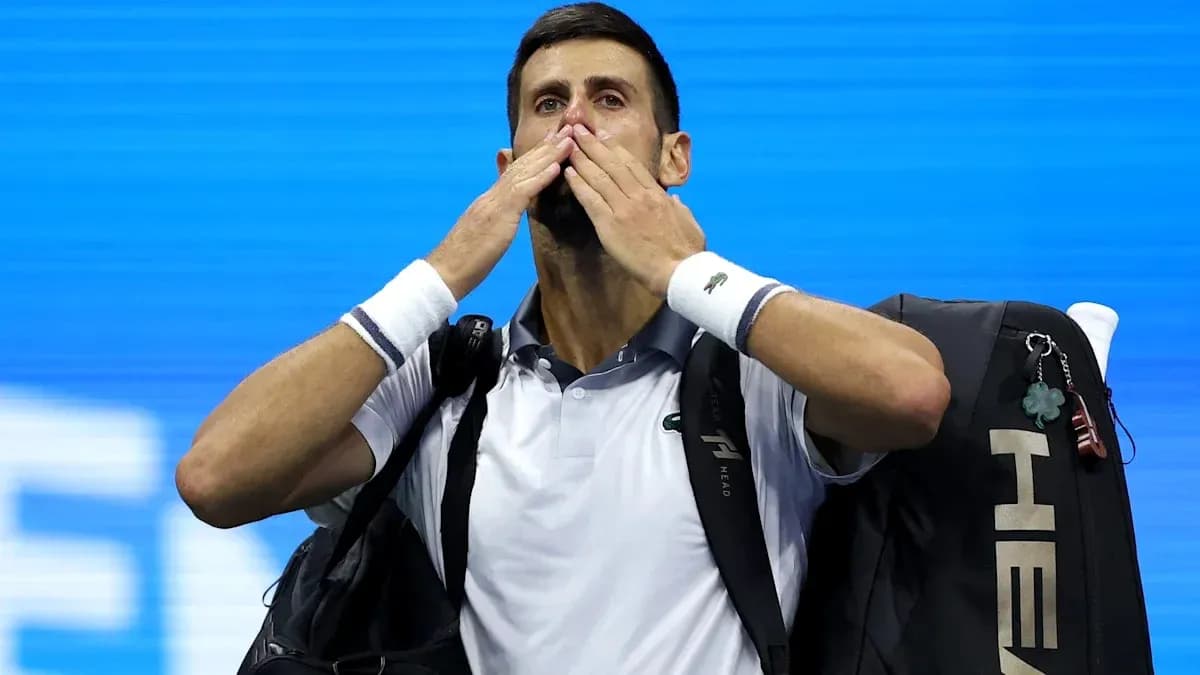
That absence pushes Alexander Zverev into the No. 1 seed and Carlos Alcaraz into the No. 2 spot, making them the headline contenders on the men’s side.
In the women’s draw, Aryna Sabalenka leads the field as top seed, with Elena Rybakina at No. 2 and American Jessica Pegula at No. 3. All three arrive with serious title credentials, and all three know New York rewards aggression and nerve.
The United States has the deepest representation, with 28 players in the main draw, more than any other nation. Beyond Pegula and Navarro, the American charge includes Coco Gauff, Frances Tiafoe, Alex Michelsen, and Ben Shelton, all still alive in singles as the quarterfinals begin.
Home hopes, global stars, and a city that demands drama. The only question left is who handles the noise best when the lights go up and the last weekend comes into view.