US Open 2026: Key Matches and Player Insights
The second week of a Slam always asks a different question. On Day 8 in New York, the 2026 US Open stops being a parade and starts being an examination. Today, the examiners are everywhere: on Ashe, on Armstrong, and lurking in the legs of anyone who’s already gone deep into the night.
Alcaraz steps into the fire
Carlos Alcaraz has survived the opening rounds, but he hasn’t exactly slipped through unnoticed. The wrist that pushed him off the tour in April still hangs over every forehand, every late adjustment. Two rounds in, the results are there, but the rhythm is not yet the familiar blur that once swallowed opponents whole.
On Friday night he flirted with disaster, forced to save two break points just to keep his tournament alive. That kind of escape sharpens the senses, but it also sends a clear warning: the margin is thinner than he’d like.
Now comes Tommy Paul, the No. 20 seed, a man who knows these courts, this city, this crowd. Paul doesn’t just play in New York; he feeds off it. The second week on home turf, with Arthur Ashe likely leaning heavily his way, is exactly the stage he’s been chasing.
Alcaraz will feel that. Every missed first serve, every loose backhand will draw a murmur. Paul won’t be as forgiving as Alcaraz’s last opponent. The Spaniard’s talent can still flip a match in a handful of games, but against a confident American in front of a partisan crowd, he may need more than shot-making. He may need patience.
Sabalenka vs. the unknown
Aryna Sabalenka’s path so far has been almost ruthless in its simplicity. Three matches, eight games lost. That’s not form, that’s a statement.
She has cut through the draw with the kind of controlled aggression that once eluded her in New York. The double faults that used to creep in at the wrong time have been kept at arm’s length. The first strike has landed, again and again, before opponents could even settle into rallies.
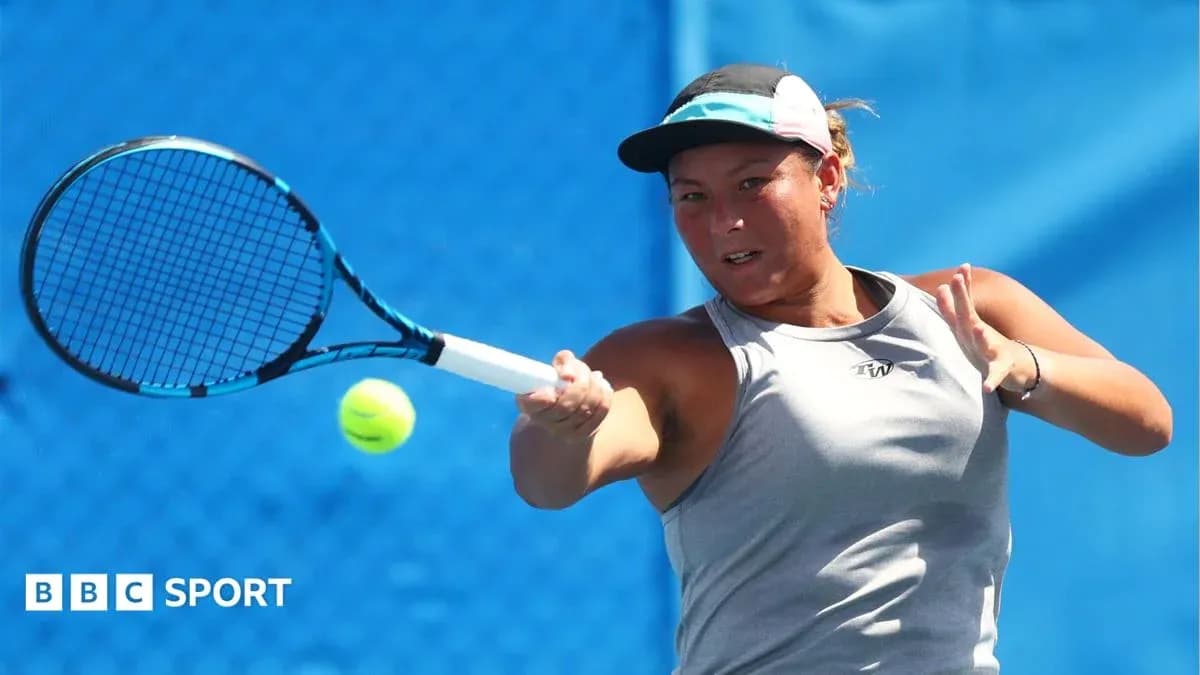
Today, though, she walks into something new: Taylor Townsend.
They have never played. That alone introduces a layer of uncertainty that Sabalenka hasn’t faced this fortnight. Townsend’s left-handed serve-and-volley game is a throwback, but it’s not a novelty act. It has bothered better players than her, dragging them into awkward positions and forcing them to hit one more passing shot, then another, then another.
Sabalenka likes rhythm. Townsend’s game is designed to steal it. If the American can get into the net early, turn Sabalenka’s pace back on her, and draw some frustration, this could turn into a genuine test. If not, Sabalenka’s power may simply blow the door off its hinges.
Either way, we find out today whether Townsend’s variety can dent the most dominant start of the women’s tournament.
Shelton races the clock
Ben Shelton walked off court at 2:15 a.m. on Saturday, the kind of finish that leaves even hardened pros staring at the ceiling hours later. Four sets against Denis Shapovalov, adrenaline pumping, lights blazing, New York still humming. That’s not an easy night to sleep off.
Now the clock becomes his opponent as much as Stefanos Tsitsipas.
Less than 36 hours after that late-night grind, Shelton has to summon his legs again. The serve will still pop. The forehand will still explode. But can he repeat the physical effort on such a quick turnaround?
Tsitsipas will test that. He knows how to stretch points, how to force a young opponent to hit one more ball, how to drag a match into the kind of physical and mental trench that exposes any fatigue. If Shelton’s energy dips, Tsitsipas will sense it.
The crowd will try to lift Shelton, as it did last year when he turned New York into his personal stage. Today, though, the show comes with a brutal question: how much does he have left?
Navarro owns the Grandstand
Emma Navarro has quietly turned the Grandstand into her own private fortress. Two years, six matches, zero losses. On Saturday, she didn’t just win there; she dismantled one of the game’s most dangerous players.
Karolina Muchova, the Wimbledon finalist and No. 7 seed, never got a foothold. Navarro swept through in straight sets and didn’t surrender a single game. A double-bagel on one of the sport’s most atmospheric courts is not a fluke. It’s a statement of comfort and command.
Now she steps under the brighter lights of Arthur Ashe at 8:30 p.m. ET, facing No. 21 seed Anna Kalinskaya. The setting changes, the stakes rise, but Navarro arrives with the belief that only a dominant week can give you.
The question is simple: can the form that has made her untouchable on Grandstand survive the jump to the biggest stadium in tennis?
Pegula grinds her way back
Jessica Pegula’s route to Sunday has been anything but smooth. Against Leylah Fernandez, she walked into a storm and dropped the opening set 6-1. The errors piled up, the timing deserted her, and afterward she didn’t sugarcoat it. She blamed her own footwork, calling it “a little lazy to start off.”
Then she flipped the script.
Pegula steadied, cleaned up the basics, and turned the match around. That kind of recovery says plenty about her composure, but it also serves as a warning: she can’t afford another slow start today.
Sorana Cirstea will not wait around. The Romanian has built a career on taking the ball early and disrupting rhythm. If Pegula begins as she did against Fernandez, Cirstea has the firepower to make that first set deficit permanent.
Pegula knows what’s at stake. A deep run in New York has hovered just out of reach for years. To change that story, she’ll need to bring her sharpest version from the opening game on Louis Armstrong at 4:40 p.m. ET.
The day’s order of play
The women’s fourth round takes center stage:
- 11:30 a.m. ET, Arthur Ashe: No. 1 Aryna Sabalenka vs. Taylor Townsend
- 12:30 p.m. ET, Louis Armstrong: No. 11 Marta Kostyuk vs. No. 6 Linda Noskova
- 4:40 p.m. ET, Louis Armstrong: No. 3 Jessica Pegula vs. No. 16 Sorana Cirstea
- 8:30 p.m. ET, Arthur Ashe: No. 21 Anna Kalinskaya vs. No. 26 Emma Navarro
The men’s fourth-round slate waits in the wings, with Alcaraz, Paul, Shelton, and Tsitsipas among those ready to define the shape of the second week.
The first week sorted the hopefuls from the contenders. Today, New York starts deciding who actually belongs in the final weekend.