US Open 2023: The Impact of Late Night Matches on Players
New York never sleeps. This year’s US Open seems determined to prove it.
Night sessions have bled into the early hours, turning Flushing Meadows into a kind of tennis nightclub, where the last forehands land just as the first subway riders start their commute. It makes for striking television and wild atmospheres. It also leaves a serious question hanging over the tournament.
At what point does the spectacle start to compromise fairness?
Zverev’s semi-final run in the dead of night
No one still standing in the men’s draw has lived the nocturnal chaos quite like Alexander Zverev.
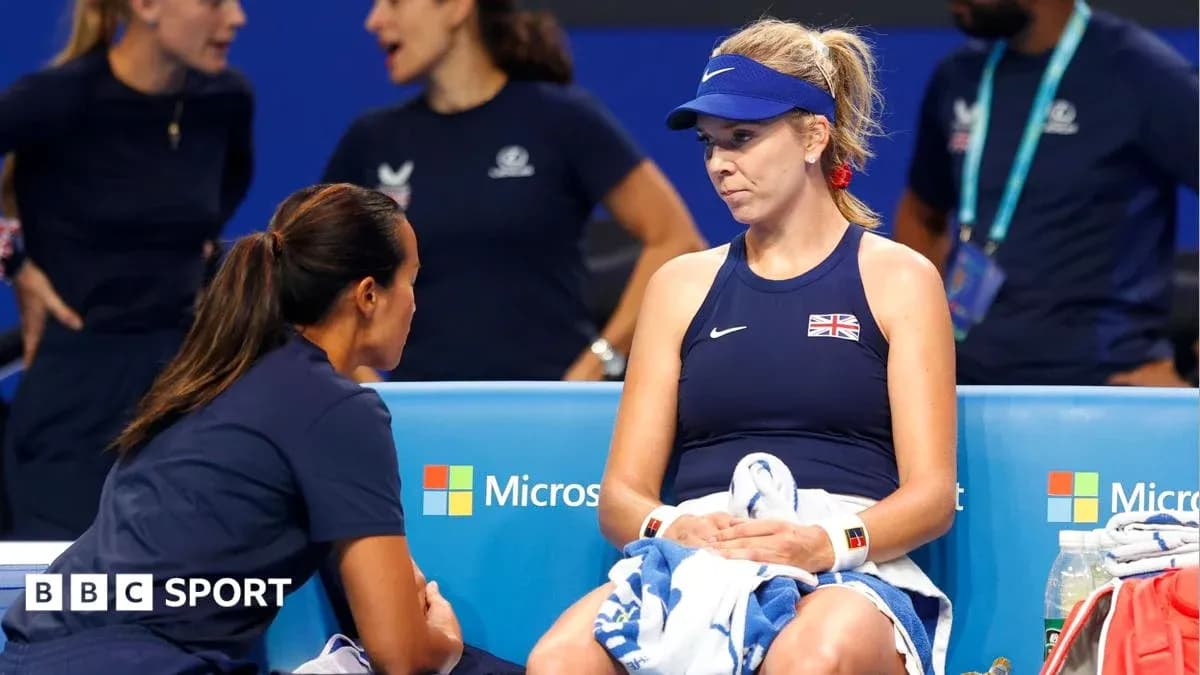
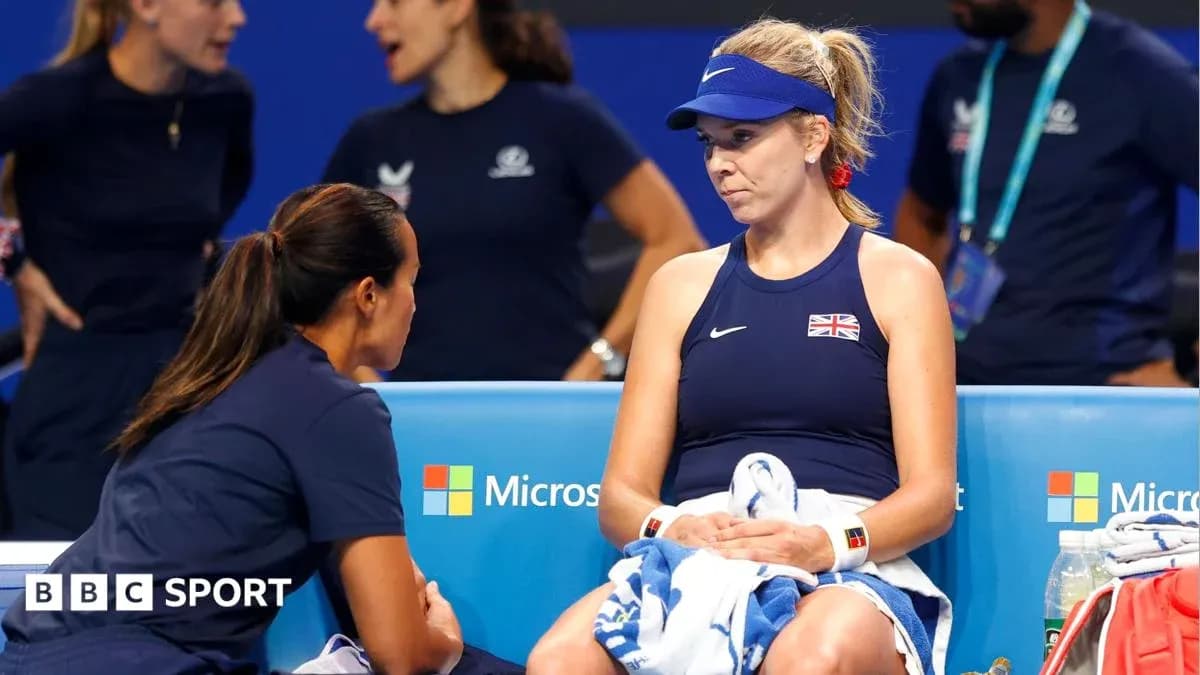
The top seed has seen three of his five matches finish after 1am. On some nights, the clock has ticked past 5am before he’s even got to bed. He admitted he has felt “kind of a bit jet-lagged,” joking that it feels like he’s “playing the Australian Open in New York right now.”
That’s not hyperbole. Those are Australian Open hours.
On Friday, he finally steps into the daylight. His semi-final against Karen Khachanov, scheduled not before 15:00 local time (20:00 BST), will be his first day match of this US Open. It’s a significant shift for a player whose body clock has been dragged deep into the night for almost two weeks.
Across the net, Khachanov arrives with a very different sleep story. The unseeded Russian has not played beyond midnight in the tournament. His quarter-final against Alexander Blockx wrapped up just before 19:00 on Wednesday, leaving him with a normal evening, a normal night, and something approaching a normal build-up.
At this stage of a Slam, that contrast matters.
Shelton and Tiafoe on opposite clocks
On the other side of the draw, the imbalance is just as stark.
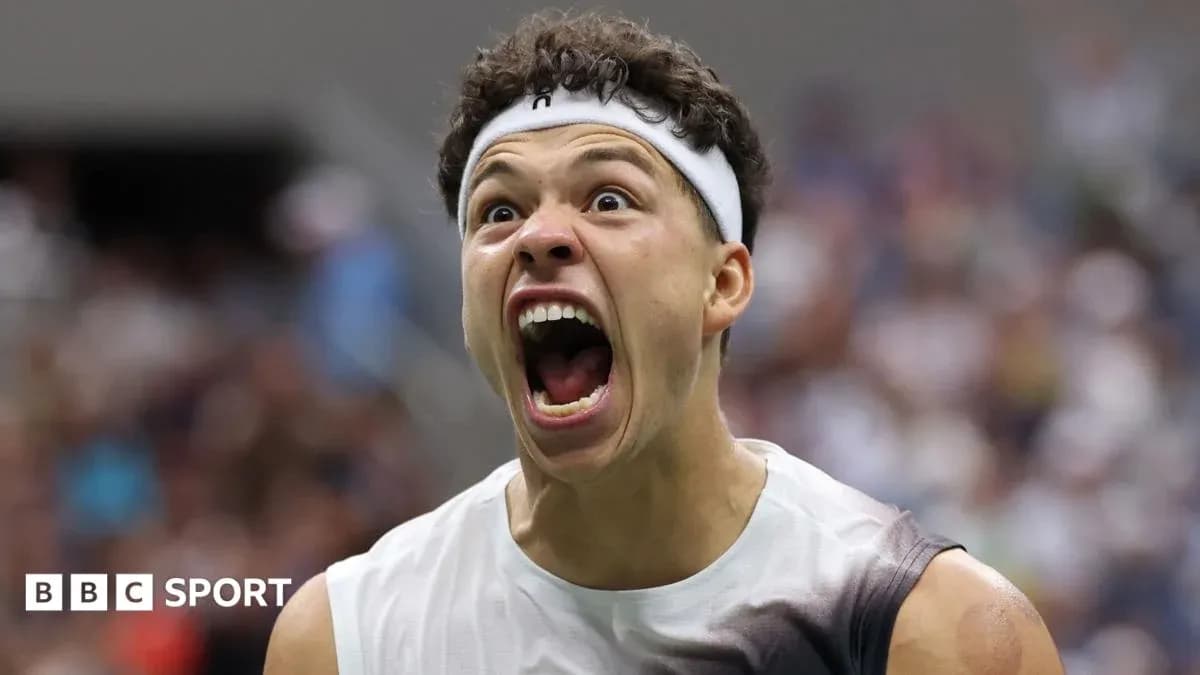
Ben Shelton’s quarter-final win over Carlos Alcaraz did not end until 3:34am on Wednesday, the latest finish in US Open history. By the time he walked off Arthur Ashe Stadium, the city’s bars were closing and the first coffee shops were opening.
Shelton now faces Frances Tiafoe in Friday’s night session (19:00 local time/00:00 BST, Sat). The American eighth seed insists he will be “all right” after two days off court, but the demands of that Alcaraz epic won’t simply vanish with a couple of quiet afternoons.
Tiafoe’s route could hardly have been more different. He needed five sets to beat fellow American Alex Michelsen in the quarter-finals, but he did it in daylight. His match finished around 19:00 on Tuesday. He ate, recovered, and slept like a normal athlete in a normal schedule.
Matt Little, Andy Murray’s long-time strength and conditioning coach, did not sugar-coat the edge that gives.
The advantage of the opponent who has played earlier in the day will be big – they’ve had that full evening’s rest and a good night’s sleep,
he told BBC Sport. “We can all relate to it – if you have one really bad night’s sleep, you have the knock-on effect of that for the coming days.”
Shelton will try to push back against that science with youth, adrenaline and careful planning. Little spelled out what that will look like: naps to claw back rest, heavy focus on carbs and protein, hydration dialled in, and a desperate attempt to drag his body back into some kind of routine.
“It’s about making sure you can optimise the hydration and get as much sleep as possible without completely going into a full slumber,” he said.
That’s not a typical Grand Slam build-up. It’s damage limitation.
Murray’s warning and the sport’s slow response
Tennis has been here before, and the warnings have been loud.
In Melbourne in 2023, Murray’s marathon win over Thanasi Kokkinakis finished at 4am in one of the latest conclusions in Grand Slam history. He managed only three hours’ sleep before he had to be back at Melbourne Park around 11am. He called the situation a “farce.”
Few argued.
The Australian Open responded by cutting the number of day-session matches on its main courts from three to two, trying to stop night sessions being repeatedly pushed back. It was a small but meaningful step.
The tours have also moved. In early 2024, the ATP and WTA introduced rules preventing their three-set matches from starting after 23:00. That at least draws a line for regular tour events.
But the Grand Slams sit apart, and those protections do not apply in New York. At Flushing Meadows, the night can still stretch on as long as the schedule – and the drama – demand.
Record-breaking late starts and finishes
This year, the US Open has leaned into its nocturnal identity more than ever.
Last week, Venus Williams and Sofia Kenin walked onto court for their first-round match at 12:13am – the latest start in the tournament’s history. It was not an outlier. In the first seven nights, three matches finished after 2am, and three more ended after 1am.
Shelton’s win over Alcaraz then set a new mark for the latest finish.
Eighteen-time Grand Slam singles champion Martina Navratilova didn’t mince her words. “Something has got to give,” she said. “This is not OK and it is not normal.”
Plenty inside the sport agree. Yet there is a counter-argument that refuses to go away.
The magic and the cost of the “city that never sleeps”
For some, these early-morning epics are the essence of the US Open: a tournament that mirrors New York’s chaos, noise and energy. The packed stands at 2am, the roars echoing around Arthur Ashe, the sense that anything can happen in the middle of the night – all of it feeds the mythology.
Tuesday’s marathon schedule, which ended with Shelton and Alcaraz trading blows until 3:34am on Wednesday, was born from a perfect storm. All three preceding quarter-finals on Ashe – Aryna Sabalenka over Linda Noskova, Jessica Pegula’s win against Emma Navarro, and Tiafoe’s five-setter in the middle – went the distance.
The night kept stretching. The crowd kept roaring. The schedule kept slipping.
The question now is whether the sport can keep asking its players to live on this edge.
Zverev staggering into bed at 6:45am. Shelton trying to reset his body in 48 hours. Tiafoe and Khachanov quietly enjoying the luxury of a proper night’s sleep.
New York will not change. The city will stay awake.
The real issue is whether tennis is finally ready to draw a line in the dark.