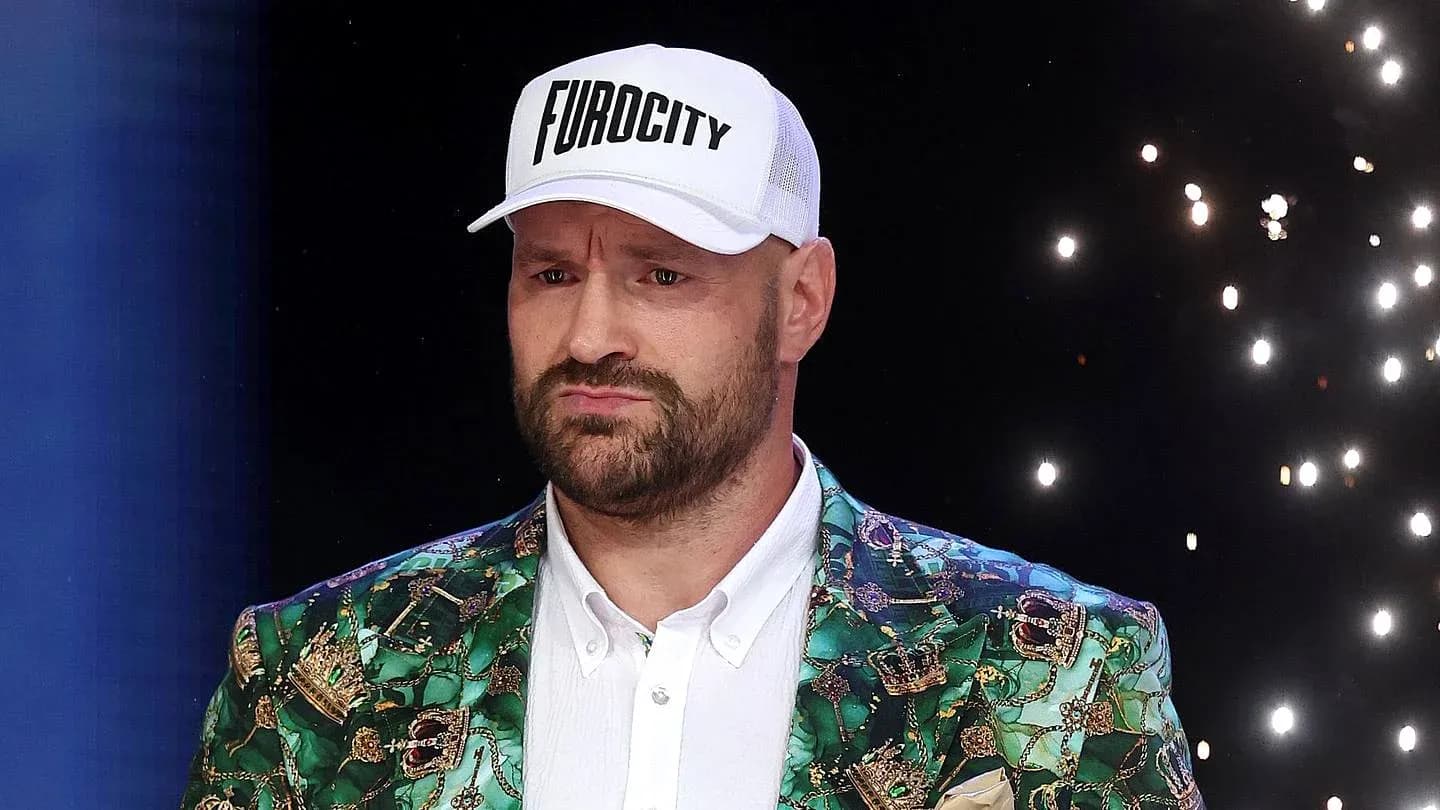
Tyson Fury vs Anthony Joshua: The Fight for National Pride
Tyson Fury has never needed much help selling a fight. Yet even by his standards, the buildup to his December 11 showdown with Anthony Joshua in Cardiff has come with an extra edge.
National pride is on the line. So is Fury’s route back into the title picture and the kind of paydays only a genuine heavyweight attraction can command. At 35 and counting, he knows these chances do not roll around forever.
That awareness colours the way he looks at everyone around him – especially old rivals.
Fury turns his fire on Wilder
From 2018 to 2021, Fury and Deontay Wilder shared one of the era’s defining trilogies. The first bout ended in a dramatic draw, many feeling Wilder had done enough. The next two finished with Fury standing over the American, victorious by emphatic knockout.
Since then, their careers have gone in very different directions. Fury remains a headline act, now preparing for Joshua. Wilder, once the most feared puncher on the planet, is coming off a bruising, one-sided loss to Zhilei Zhang that raised serious questions about what he has left.
Fury, speaking to FightHype, did not sugar-coat his view.
"It's silly, really, for Deontay's part. He should not be in the ring. He should be nowhere near it. It's a dying shame that this man has to continue to fight when he's shot to bits. He should never have fought again after I beat him the last time. That should have been the end of it."
“Shot to bits.” For a fighter of Wilder’s pedigree, it is a brutal verdict, but Fury points to recent evidence.
The Zhang warning sign
Wilder once carried fight-ending power in both hands. That threat defined him. It terrified opponents. Fury insists those days are gone, and he uses the Zhang defeat as Exhibit A.
"If you're getting knocked out by people that you probably should have knocked out yourself... Him and Chisora were shockingly terrible when they fought. Chisora is like 145 years old, and he was taking Wilder's knockout power shots that are not there anymore, flush in the face, not even budging him. It is a shame, because if you want to match them two five years ago, it would not have lasted one round."
The criticism is harsh, but the footage backs up the concern. Against Zhang, Wilder looked static. The legs that once sprang into range and out of danger were heavy. He could not get away from anything the Chinese southpaw threw. The speed that used to buy him space and time simply was not there.
For a heavyweight who built his career on explosive movement and sudden violence, that is more than just a bad night. It is a warning.
Opetaia steps into the danger zone
Yet Wilder is not stepping away. He is stepping back in, on the undercard of Fury vs Joshua, against Jai Opetaia.
For Opetaia, this is the kind of opportunity fighters dream about. A chance to beat a former WBC heavyweight champion on a massive stage and announce himself in a new division. He is moving up from cruiserweight, but he will bring youth, speed and fresher legs.
On paper, the matchup is clear. If Opetaia can stay away from Wilder’s right hand, his tempo and conditioning should carry him deep into the fight and, potentially, over the line. The risk, of course, is that even a diminished Wilder still carries enough power to end a night in a heartbeat.
That is the gamble Wilder is offering – and perhaps the only reason he remains a draw.
Respect amid the warning
For all the savage assessment, Fury’s words are not stripped of empathy. Beneath the barbs, there is an understanding of what keeps men like Wilder coming back.
"It's a hard thing to walk away from, and we've seen so many of the greats come back for whatever reason over the years, usually financial reasons, and it is a hard one to see, and it's a sad state of an affair, to be fair."
Fury has lived the highs and the lows of the sport. He has seen legends stay too long, has felt his own body absorb the cost of every camp, every round, every shot. That is why he talks about Wilder the way he does: part rival, part cautionary tale.
In the end, the decision will not be his. If Wilder keeps passing the governing bodies’ medical tests, he will almost certainly keep fighting, as long as the purses stay big and the lights stay bright.
On December 11 in Cardiff, Fury will chase another defining night against Joshua. Just beneath that, Wilder will fight for something more fragile: proof that the clock has not already struck midnight on one of heavyweight boxing’s most dangerous punchers.