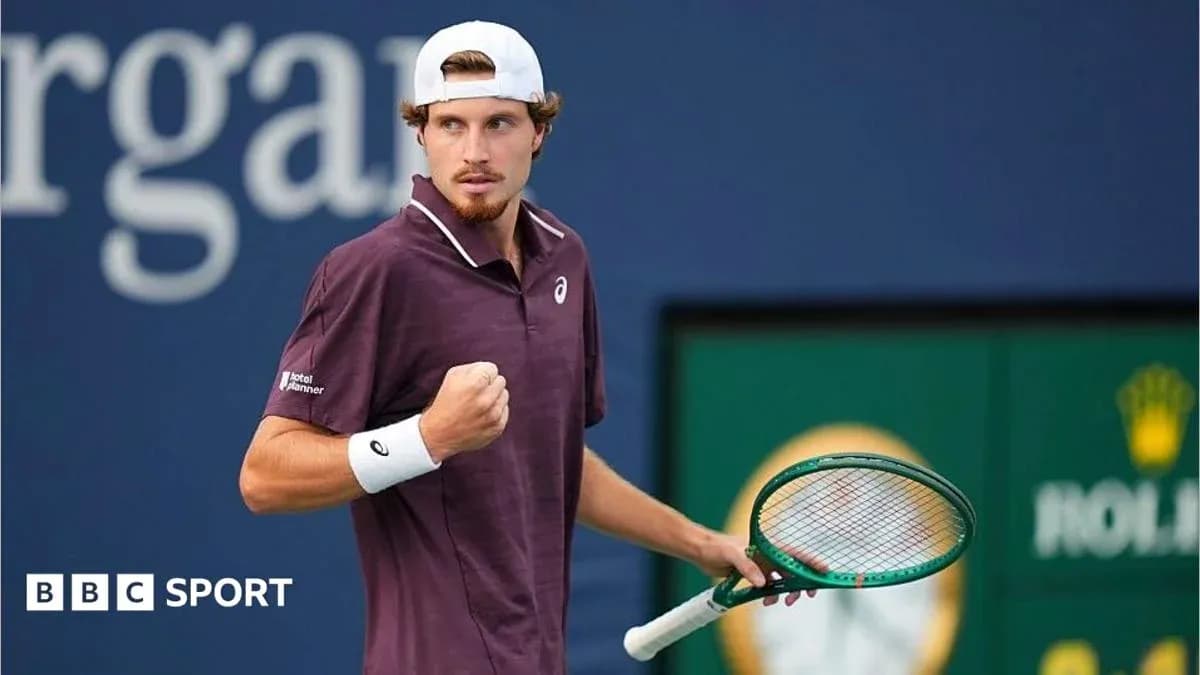
Toby Samuel's Journey from Challenger Circuit to Davis Cup
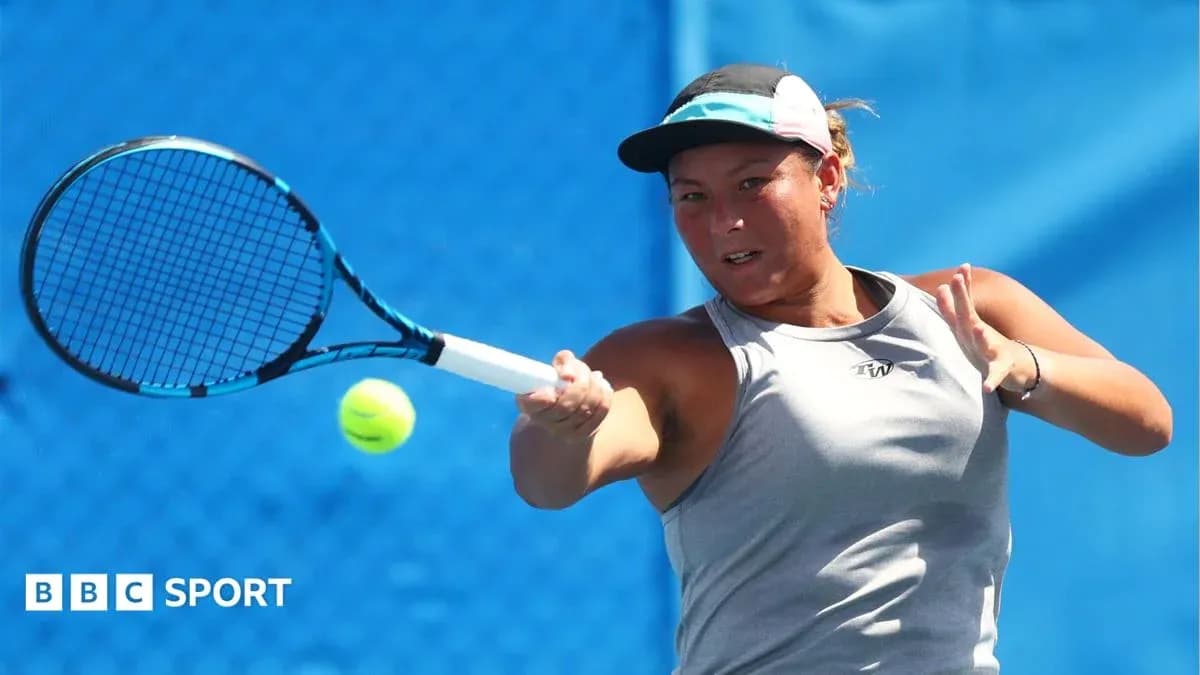
Toby Samuel was wandering the streets of New York, still buzzing from his first taste of the US Open, when his phone rang. On the other end was Leon Smith, the Great Britain Davis Cup captain, with the sort of message every British player dreams about.
“Congratulations, you’ve been selected.”
For Samuel, 23 and barely a year removed from scratching around the Challenger circuit, it felt like a jolt. A career suddenly accelerating.
“It’s surreal being in this position now from where I was eight, nine months ago, [when I was] hopefully trying to play some Challengers, and now I’m sat here ready to play the Davis Cup – it’s crazy,” he told BBC Points West.
From Challengers to the Davis Cup bench
Samuel joins Arthur Fery, Cameron Norrie, Henry Patten and Lloyd Glasspool as the fifth man in Great Britain’s squad to face Ecuador this weekend, a reward for a season that has moved at breakneck speed.
Twelve months ago, he was hoping just to get into more Challenger events. Now he is inside the world’s top 100, with appearances at the French Open, Wimbledon and the US Open already stamped on his record. A breakthrough year has turned into something bigger: genuine belonging at the sport’s highest level.
The moment the call came, he was still soaking in the chaos of New York, fresh from his first win in a Grand Slam main draw – a dominant victory over Tomas Machac at Flushing Meadows – before running into 18th seed Jiri Lehecka in the next round.
“It was unbelievable, it was one of the best moments of my tennis life, to get called up to that,” Samuel said of the Davis Cup selection. “It’s what every British player wants, to represent their country and play for their country.”
A year of firsts
The US Open was not the only milestone. In Paris, Samuel battled through three rounds of qualifying to reach the French Open main draw, then ran into world number eight Alex de Minaur in the first round proper. A few weeks later, Wimbledon handed him a wildcard and Centre Court nerves came with it, but he pushed Czech 15th seed and French Open semi-finalist Jakub Mensik all the way to five sets.
Those early steps on the sport’s grandest stages were anything but comfortable.
“At first it was a completely new experience, I was pretty nervous going to those tournaments, seeing the top guys there in the locker rooms and playing against them – I was sort of shaking a little bit on court,” he admitted.
The nerves, though, didn’t last. Exposure brought calm.
“After the second or third time I did it I got more used to it and I felt like I was a lot calmer on the court which helped me to go deep.”
Learning to live with the elite
The jump from the Challenger Tour to the main tour has tested Samuel in every way. Matches that used to be wrapped up in best-of-three formats now stretch into three, four, even five hours. The physical load is new. The mental grind is harsher.
This is the first season he has consistently had to survive best-of-five contests. The body has to hold. So does the mind.
He believes his game has risen to meet that challenge. The serve and forehand, once solid, have sharpened into genuine weapons.
“Before they were good but they weren’t really scaring people,” he said. “Now they’re my biggest weapons and I can take matches with them.”
From Winchester to the world stage
Samuel’s story has roots far from the glare of Grand Slam courts. The Winchester-born player, who trains in Bath, has built his rise quietly, away from the usual spotlight that surrounds Britain’s top prospects. This season has dragged him into that light, and the Davis Cup call-up confirms it: he is no longer just a promising name on an entry list.
Now he walks into a team room with established figures like Norrie, part of a squad expected to deliver under pressure. A year ago he was hoping to qualify for events. This weekend, if called upon, he could be asked to carry a nation’s hopes for a rubber.
For Samuel, the journey from those shaky first steps in Grand Slam locker rooms to the Davis Cup stage has been fast, disorienting, and exactly what he wanted. The question now is simple: how far can this momentum take him?