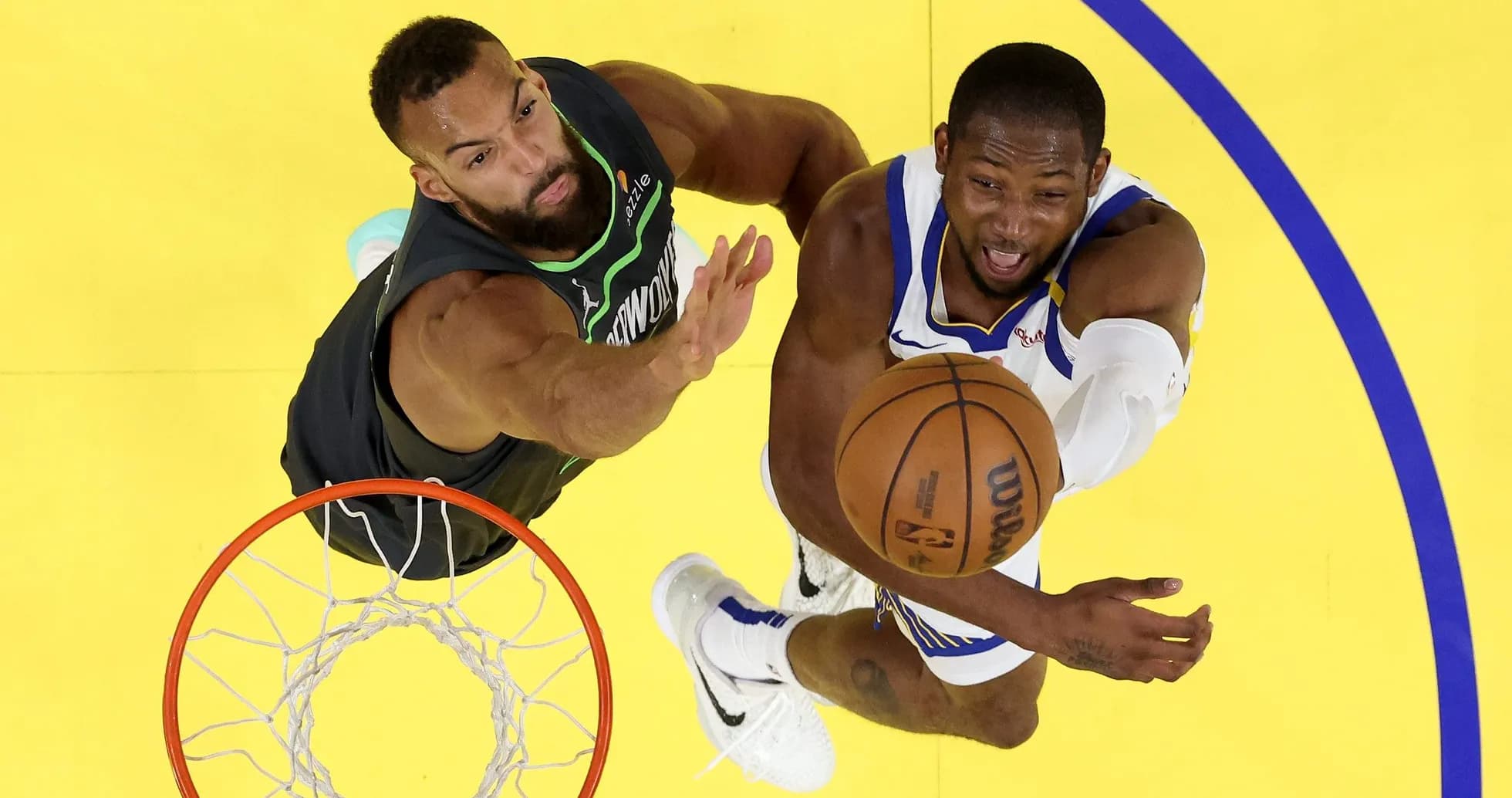
Timberwolves' Power Forward Solution: Jonathan Kuminga
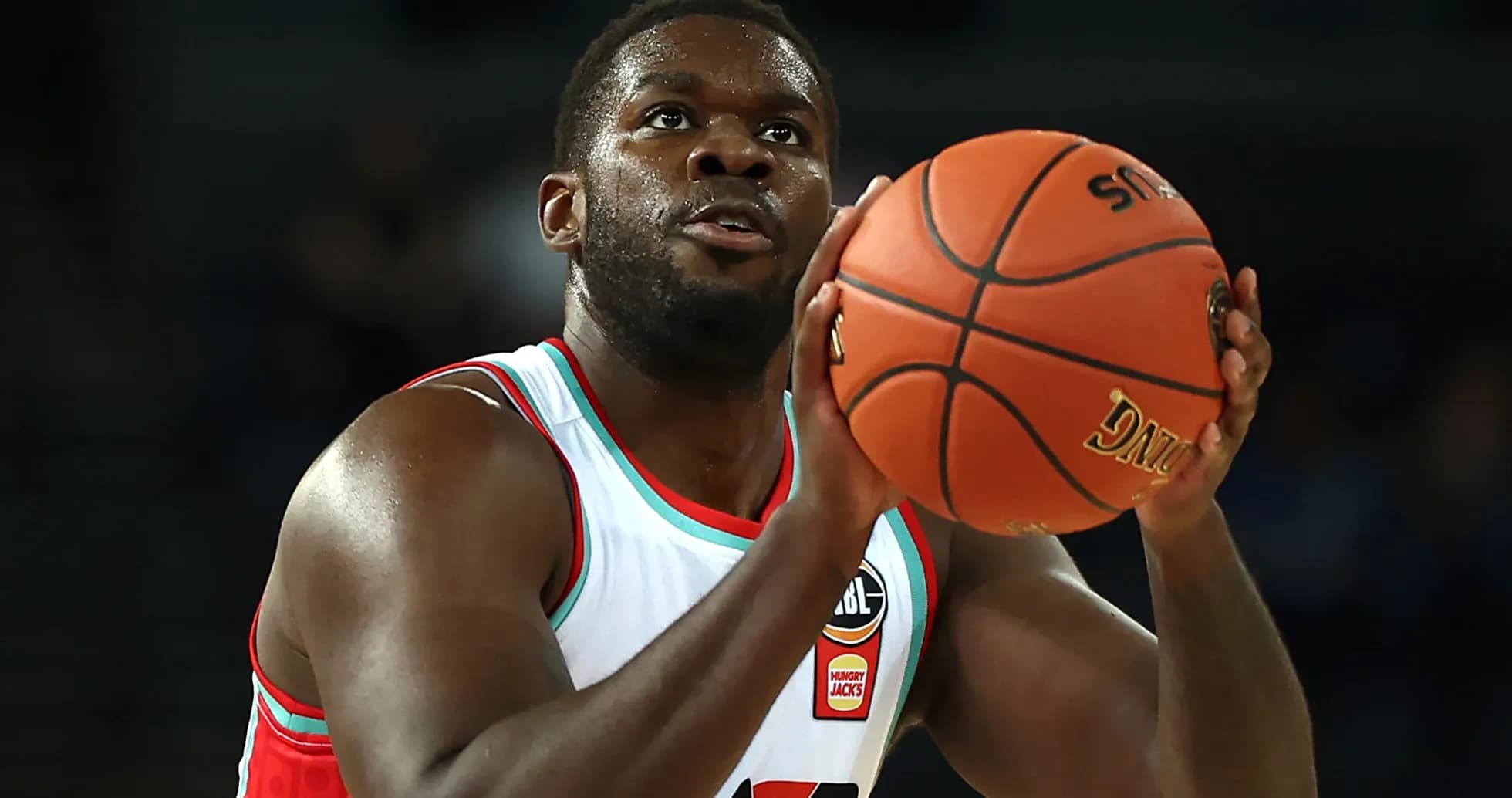
The Minnesota Timberwolves think they’ve solved their power forward problem with Jonathan Kuminga.
Draymond Green isn’t so sure it will be that simple.
On his show, The Draymond Green Show, the four-time champion applauded Kuminga’s decision to sign a two-year, $12.4 million deal in Minnesota, calling it a “great opportunity.” He meant it. He’s been one of Kuminga’s loudest backers since their days together with the Golden State Warriors.
But he also knows how the league works.
“My only worry for JK is that if it’s not working, you’re the first plug that gets pulled,” Green said.
A Starter on a Bench Salary
Minnesota plans to roll out a starting five of LaMelo Ball, Anthony Edwards, Jaden McDaniels, Kuminga and Rudy Gobert. On paper, that’s length, athleticism and star power at every spot.
On the books, it’s something else entirely.
Kuminga will earn roughly $6 million this season. In a lineup loaded with big-money contracts, he’s the budget starter — making significantly less than every other first-unit player and even trailing some of Chris Finch’s projected reserves.
Green cut straight to the heart of it: in today’s NBA economy, teams tend to treat that price tag a certain way.
“A $6.5 million salary in the NBA is a bench-role salary,” he said.
That’s the tension. The Timberwolves may see Kuminga as their new starting four, but the league’s financial hierarchy doesn’t. And Green’s point isn’t about whether Kuminga deserves the job. It’s about what happens when the lineup hits turbulence.
Stars on max or near-max deals rarely get yanked first. The cheaper piece usually moves.
The Money Behind the Minutes
Minnesota’s roster only amplifies Green’s concern.
Ayo Dosunmu just signed a five-year, $112 million contract after transforming the Wolves’ backcourt following his arrival from Chicago in February. He averaged 14.8 points last season and delivered a 43-point playoff eruption against Denver that stamped his value in bold ink.
Now, with Kuminga in town, Dosunmu is expected to slide into a sixth-man role — despite an average annual salary of $22.4 million, more than triple what Kuminga will make this year.
No one inside the organization is going to admit they’ll set rotations by salary. Finch has never coached that way. But Green isn’t talking about play calls; he’s talking about investment. When a front office has committed major money to Ball, Edwards, Gobert, McDaniels and Dosunmu, the margin for error for the low-salary starter shrinks.
If Minnesota needs to shake something up, Kuminga is the easiest piece to move around. On paper. On the floor. In the accounting software.
That reality carries extra weight for Kuminga because of the structure of his deal. His contract includes a player option for 2027-28. If he turns this season into a breakout, he can walk away next summer and chase the long-term payday that slipped through his fingers this offseason.
To do that, he has to stay on the court. Stay in the lineup. Stay central to what Minnesota is building.
Green Backs the Gamble
For all his warnings, Green still loves the bet.
He has long argued that Kuminga needed a clean slate more than he needed a perfect number on a contract. Forget what he might have earned in Golden State. Go find a place that will actually put the ball in his hands and minutes on his legs.
Minnesota offers exactly that.
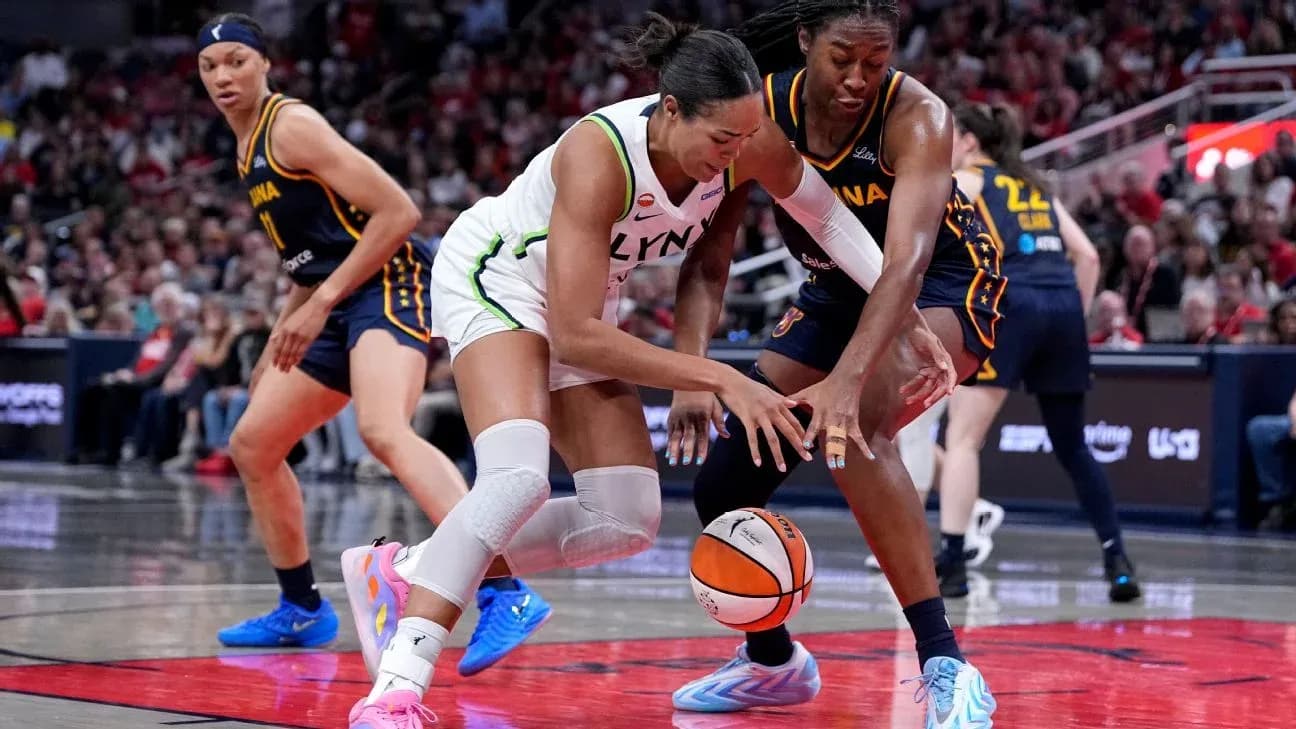
The Wolves ripped open a void at power forward when they moved on from Julius Randle and Naz Reid as part of their offseason reshuffle. They wanted to get younger, more dynamic, more explosive around Edwards and Ball. Kuminga checks all of those boxes.
They’ve also had a front-row look at what he can do when he’s not just a complementary piece.
When Stephen Curry went down during Golden State’s 2025 playoff series against the Wolves, Kuminga’s role ballooned. He responded with 20.8 points per game on 54% shooting in the series, flashing the downhill force and scoring punch that once made him one of the league’s most intriguing prospects.
Green is convinced that stretch stuck with Timberwolves president Tim Connelly — and with Edwards, who watched it up close.
“I think it’s a great opportunity for JK,” Green said.
Minnesota clearly agrees. At around $6 million this season, Kuminga is a classic upside play: if he finally strings his flashes into nightly production, the Wolves will have a starting-caliber, two-way athlete at a price that front offices dream about.
That’s the beauty of the deal.
The risk sits right beside it. The same contract that makes Kuminga one of the league’s best value bets also makes him the easiest starter to sit if the experiment sputters.
In Minnesota, his future won’t be decided by what he’s paid. It will be decided by whether he can play well enough that pulling that “first plug” stops being an option at all.