Thomas Tuchel’s England: Bold Squad Decisions and Key Omissions
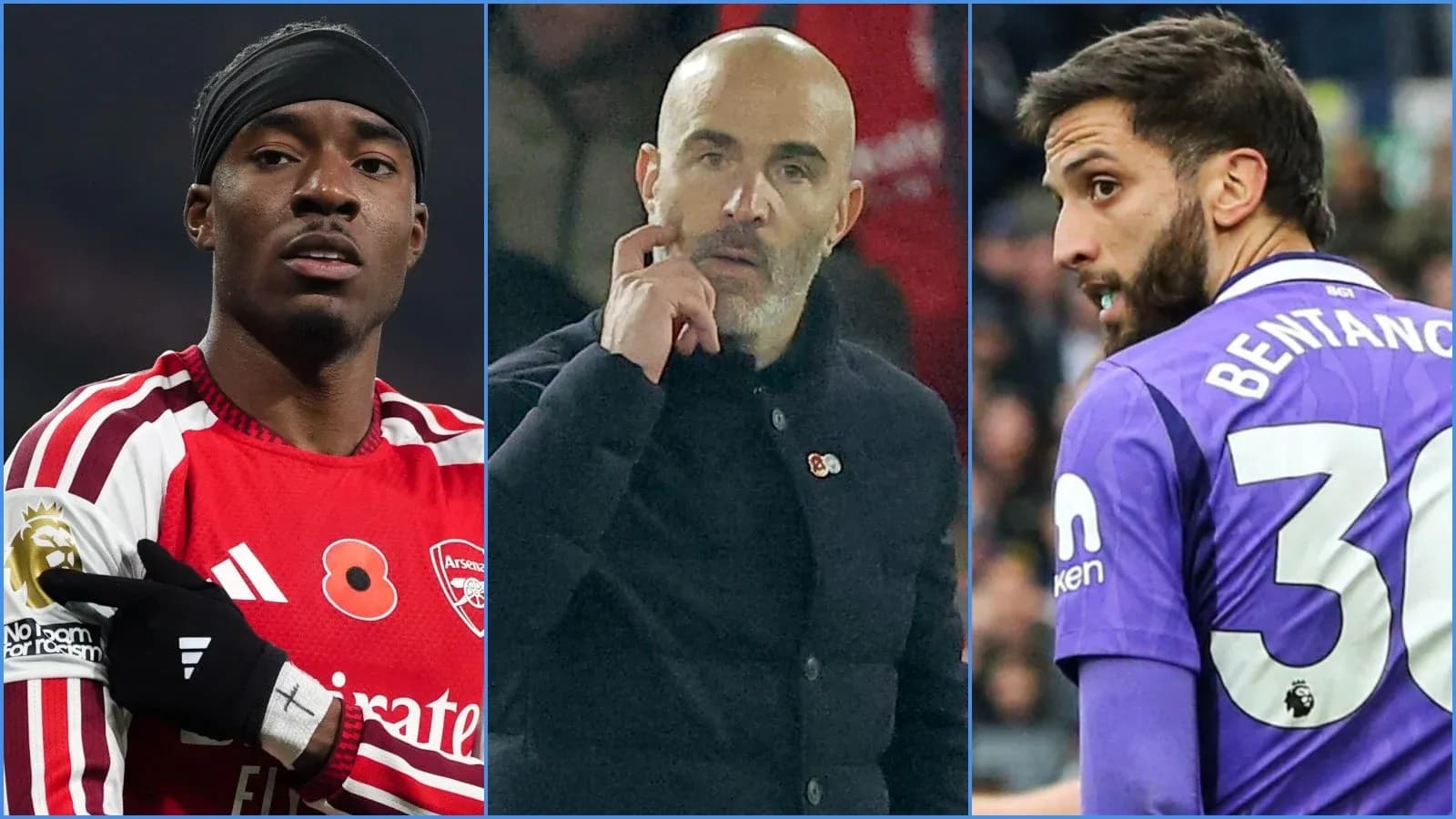
By the time Thomas Tuchel sits down in front of the cameras at 11:00, the arguments will already be raging. No Cole Palmer again. Ben White back in from the cold. Jobe Bellingham joining his brother in the senior squad. This is not a manager picking on autopilot. This is a manager picking fights with comfort zones.
The new England squad for the November Nations League games against Croatia and Spain is less a list of names and more a manifesto. It is bold, awkward, and full of fault lines that will dominate the next international break.
Palmer: Numbers, Needles and a Manager’s Mistrust
Cole Palmer is the headline omission, again. On form alone, the 24-year-old Chelsea forward has a powerful case. Five goals and three assists in all competitions so far this season; among the attacking options in contention for England, only his club-mate Morgan Rogers has been involved in more.
Strip it back and Palmer is one of the central figures at Stamford Bridge, a creative hub who carries threat and responsibility. But Tuchel has never sounded fully convinced. His assessment after Palmer withdrew from the most recent extended three-week England camp was as sharp as it was revealing. Palmer, left out of the World Cup squad, “misses too many opportunities to play for England,” Tuchel said. Not a comment on talent. A comment on trust.
Penalties do inflate Palmer’s numbers, and Tuchel knows it. The raw data flatters him slightly compared with rivals who build their tallies from open play. For a coach obsessed with details and game-state control, that matters.
England’s medical staff have checked on Palmer again ahead of this squad announcement, just as they did before the last window when he missed all four games with a minor injury. He played 90 minutes for Chelsea against Brentford before that break, then started the first match afterwards. Tuchel explained it as “discomfort and pain” and framed it around a player who, in his eyes, has not yet consistently embraced the physical and mental grind of international football.
Yet the checks tell their own story. Palmer is not off the radar. He is under surveillance. The question now is whether Tuchel’s patience runs out before Palmer forces his hand.
The Kane Problem and the Lankshear Gamble
Behind Harry Kane, England’s depth chart at number nine looks thin and unconvincing. It always sounds like a simple job – be Kane’s understudy – until you realise what that actually means.
Kane is the captain, record goalscorer, fresh from winning the Ballon d’Or and still the best player in Tuchel’s side. He wants every minute. He usually gets it. Breaking into that space is like trying to squeeze into a locked room.
Dominic Calvert-Lewin knows this better than most. Selected before and after the World Cup, the Leeds striker has never truly clicked under Tuchel. In the last window he managed just 15 minutes across two substitute appearances. For a manager who demands constant movement, sharp pressing and technical security, Calvert-Lewin has not yet made himself indispensable.
So Tuchel has improvised. At times he has used Jude Bellingham as the back-up centre-forward, trusting his physicality, timing and ruthless streak in the box. It works, but it is a workaround, not a long-term structure.
That is where Will Lankshear storms into the conversation.
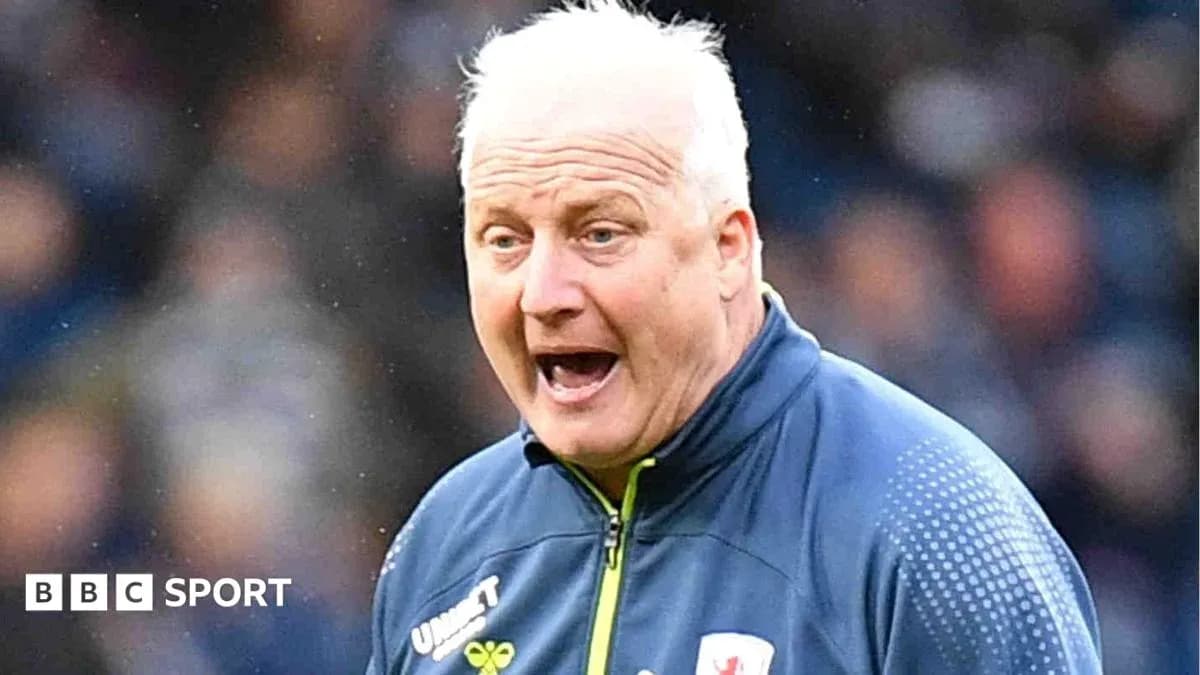
At 21, and playing in the Championship, Lankshear is the kind of left-field pick that can either define a manager’s bravery or expose his recklessness. Sold by Tottenham to Middlesbrough for £20m in the summer, the striker has erupted this season: 15 goals in all competitions, 13 of them in as many Championship games, driving Boro to the top of the division.
He only made his England Under-21 debut in the last international window – and scored – yet he is suddenly hovering around the senior squad. For a player outside the Premier League, that is a steep, almost dizzying climb.
Tuchel is fully aware of him. With a shortage of orthodox nines across the age groups, the temptation to fast-track Lankshear into this shorter window is obvious. The manager has never been shy of big calls. This would be another one, and it would send a clear message: form, not just profile, still counts.
Henderson: The Comeback Nobody Saw Coming
Jordan Henderson looked finished at this level. His last England memory was grimly symbolic: tumbling over an advertising hoarding after the World Cup win over Mexico at the Azteca Stadium and breaking his arm. At 36, most assumed that was the final page of his international story.
Instead, he has written a new chapter in west London.
A move from Brentford to Chelsea, driven by the need for experience in a young squad, raised eyebrows. The recovery from his arm injury raised expectations. Now Henderson has forced his way back into the conversation with something Tuchel respects deeply: consistent, high-level performances.
Five consecutive starts in Chelsea’s midfield. Two goals in a standout win over Bournemouth. A key role in stabilising a side still learning its identity. He missed the victory over Manchester United through injury, but his influence around the club has grown quickly.
Henderson is popular, respected by staff and players, and still operating at a level that makes selection more than a sentimental nod. His inclusion has often sparked furious debate in the past, seen by some as a block on younger talent. This time, with his form clear and his minutes regular, the noise might be quieter.
Or maybe not. Few names split opinion like his. Tuchel, though, does not pick to win popularity contests. If Henderson is in, it will be because the manager believes he can still dictate the tempo of international matches.
New Blood: Dewsbury-Hall and King Push the Door
The most intriguing part of any squad announcement is often the fresh ink, the new names. This time, there are several on the verge.
Kiernan Dewsbury-Hall, 28, has waited longer than most for this moment. The Everton midfielder, wearing the number 10 shirt at Goodison Park, has already turned down approaches from the Republic of Ireland. He wants England, and nothing else.
On merit, he is close. Two goals and two assists in all competitions, driving Everton to seventh in the league, and emerging as one of their standout performers. His energy, creativity and tactical discipline give Tuchel something different in midfield, a blend of graft and guile that fits the modern international game.
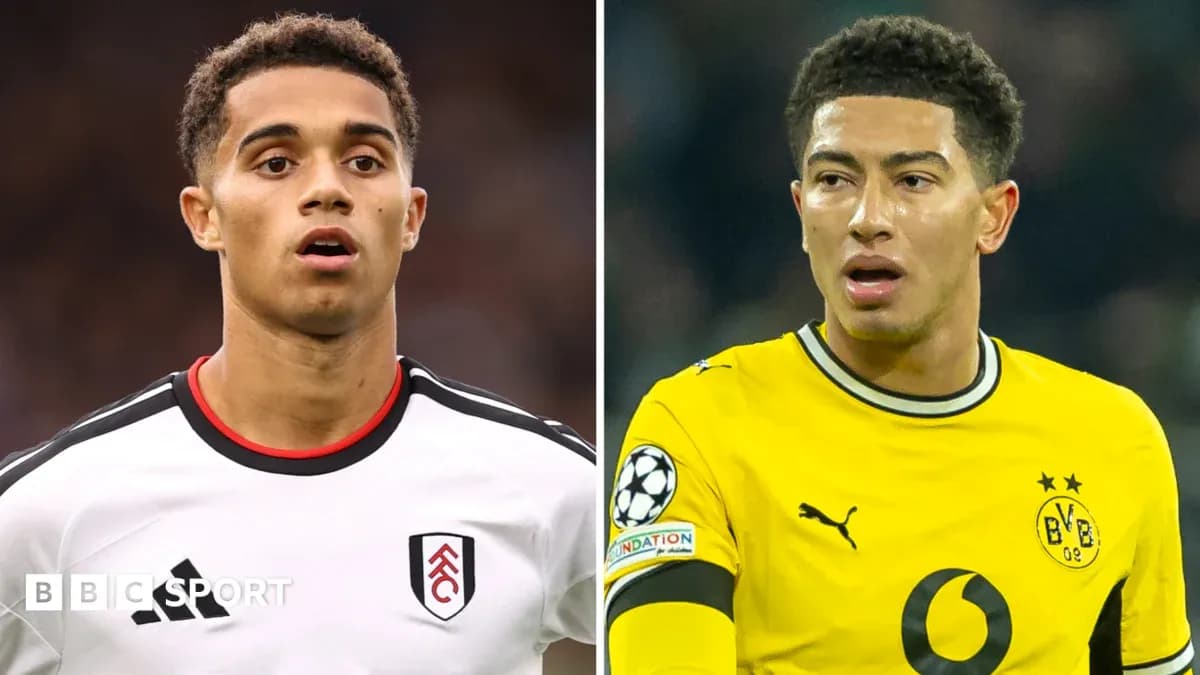
Then there is Josh King, the 19-year-old Fulham midfielder who has been hovering on the edge of a breakthrough. King travelled to the US as part of England’s preparation squad before the World Cup, alongside Alex Scott, Ethan Nwaneri and Rio Ngumoha. He did not make his debut then, but he clearly impressed the right people.
Tuchel has already said King is close to a senior call-up. His performances for the England Under-21s have backed that up, showcasing a player comfortable in tight spaces, brave on the ball and unfazed by the stage. If the manager wants to inject more youth and dynamism between the lines, King’s name will be underlined on the list.
And then there is the subplot everyone will talk about: Jobe Bellingham. A first senior call-up for Jude’s younger brother adds a layer of intrigue and romance to a squad otherwise dominated by hard-nosed decisions. It is not sentiment; Tuchel does not operate that way. It is recognition of talent, potential and personality. But it will still feel like a landmark moment for the Bellingham family and for England.
A Squad Built for Arguments
So here we are again. Another Tuchel squad, another round of debates that will stretch from pubs to podcasts and everywhere in between.
Is Palmer a must-pick on form or an unreliable presence who has not yet convinced his manager? Does Lankshear’s Championship goal rush justify a leap past more established names? Has Henderson earned one last major-tournament push? Are Dewsbury-Hall and King the start of a new midfield cycle?
Tuchel will front up at 11:00, as he always does, with his reasons lined up and his decisions already made. The Nations League games against Croatia and Spain will test those calls immediately.
In a squad full of talking points, one thing is clear: this England side is being built on conviction, not consensus. And under Thomas Tuchel, that is not about to change.