Surrey Turmoil: Groundsman Lee Fortis on Leave After ECB Confrontation
The Oval is used to being the stage, not the story. This week, it finds itself as both.
Surrey’s head groundsman, Lee Fortis – the towering figure who has shaped pitches for title‑winning sides and marquee Tests – has been placed on leave after a furious confrontation with an ECB employee during preparations for The Hundred.
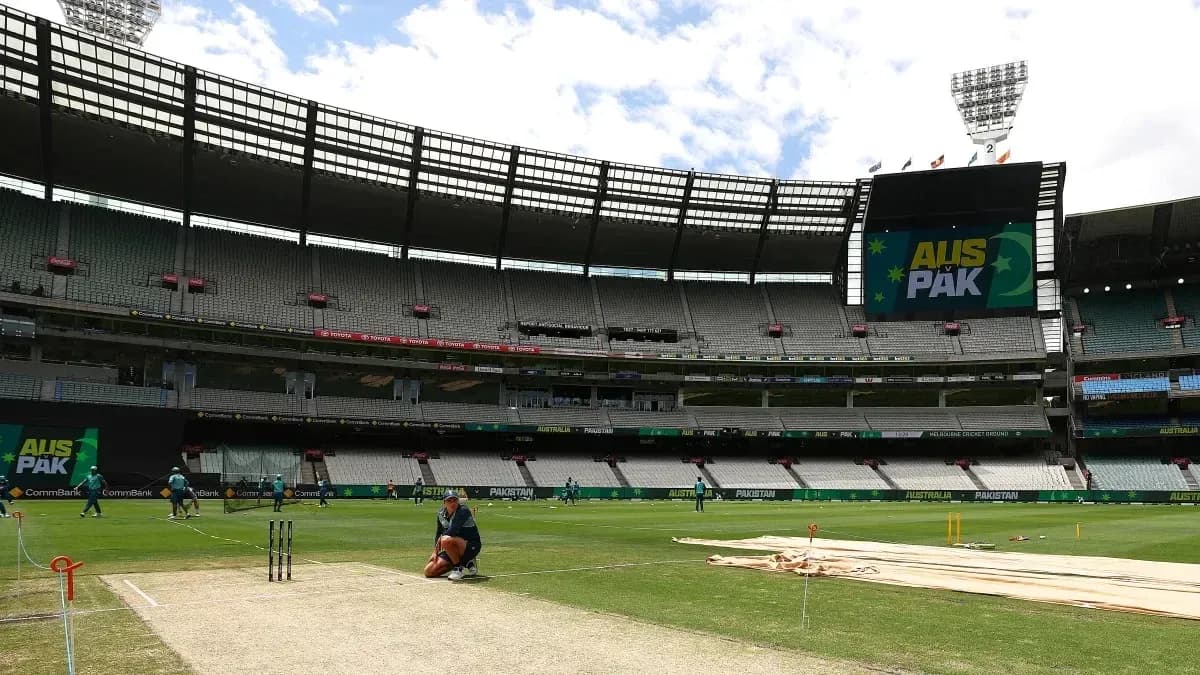
The incident, reported by The Telegraph, unfolded on July 28, the eve of MI London and London Spirit’s training sessions ahead of their fixture at the south London ground. What should have been a routine build‑up to another glossy, televised night of franchise cricket instead spilled into an ugly scene in the middle of one of the country’s most scrutinised squares.
Witnesses saw Fortis arguing with an ECB staff member assisting with match preparations. The exchange, by all accounts, was heated enough to leave the ECB employee in tears. The tension did not end there.
Shortly afterwards, Fortis was seen in a terse on‑field discussion with Surrey chief executive Steve Elworthy. The conversation ended abruptly, Fortis walking off the outfield. He has not been seen at the Oval since.
Inside English cricket circles, there is already a sense that his return is far from guaranteed.
Surrey, for now, are saying almost nothing. A club spokesperson offered only the bare minimum: “Matters involving the Club and its employees are private and confidential, and therefore it would not be appropriate to comment.” No defence, no condemnation, just a wall of confidentiality around one of the most influential figures in their recent success.
A giant presence, and a growing reputation for conflict
Fortis is not an anonymous member of the backroom staff. At roughly 6ft 10in, he dominates the visual landscape of any ground he walks onto. Over the past few years he has dominated the awards circuit as well, winning the ECB’s Grounds Manager of the Year three seasons in a row from 2022 to 2024.
Those years aligned neatly with Surrey’s dominance of the County Championship. Three titles, three awards, and a reputation for producing pitches that balanced pace, carry and durability across a long, punishing season. Within the game, his work has been widely admired.
His temperament, though, has been under the spotlight before.
Last year, Fortis was thrust into the headlines after a confrontation with India head coach Gautam Gambhir over pitch conditions. Gambhir, frustrated with what he saw, reportedly snapped: “You’re just a groundsman, nothing beyond that.” India batting coach Sitanshu Kotak later labelled Fortis “arrogant” when reflecting on the episode.
The latest flashpoint at the Oval is not believed to be an isolated moment of friction that day either. Fortis is understood to have had a separate run‑in with a member of London Spirit’s backroom staff, though that disagreement is not thought to be directly linked to his current absence.
When patterns start to form, questions follow. They are now landing heavily on Surrey’s desk.
A club under pressure on and off the field
All of this arrives at the worst possible time for Surrey.
On the field, a side that has grown used to looking down on the rest of Division One is suddenly glancing nervously over its shoulder. Three defeats in their last four matches have dragged them into a genuine relegation scrap. Coming into the latest round of fixtures, they sat just three points above the drop zone.
Even the return of Ollie Pope from England duty could not arrest the slide on day one against Essex at Chelmsford. Surrey, brittle again, folded for 183. Essex closed on 10 for one, the home side immediately seizing the initiative. It felt like another step in the wrong direction for a club that has spent recent summers dictating the tempo of the championship, not chasing it.
Now, as the season tightens, Surrey must navigate a survival battle while dealing with the sudden absence of the man who has curated their home advantage for more than a decade.
Fortis has been head groundsman at the Oval since 2012, taking on the role at just 30. His pitches have underpinned title runs, hosted Ashes cricket, and staged high‑stakes international fixtures with the world watching. Removing someone with that level of expertise – even temporarily – is not a small operational tweak. It is a structural jolt.
High‑stakes turf at a global venue
The timing could hardly be more delicate.
With Ashes cricket and a World Test Championship final looming on the calendar, the Oval’s surfaces will sit under a global microscope. Boards, broadcasters, and players will pore over every hint of grass coverage, every crack, every sign of uneven bounce. The ground is not just a county asset; it is a flagship venue for the sport.
Losing the architect of those pitches, even for a short spell, throws up obvious concerns. Continuity matters. So does trust. Visiting teams expect consistency from marquee Test venues, and the ECB leans heavily on a small group of grounds to deliver on the biggest days.
Yet this is no simple case of talent versus inconvenience. Fortis’s record of clashes – with Gambhir and his staff last year, with an ECB employee now – forces Surrey into a more uncomfortable conversation about behaviour and workplace standards.
Can a club overlook repeated confrontations because someone is outstanding at their job? At what point does excellence on the square stop justifying turbulence off it?
Those are not theoretical questions anymore. They sit at the heart of Surrey’s next move.
The strain behind the boundary rope
There is another layer to all this. Groundstaff across the game are operating under relentless pressure.
The calendar grows heavier each year. The Hundred drops into a schedule already crammed with county fixtures, international cricket, and corporate demands on the venue. The Oval, unlike some grounds with secondary homes, has to absorb the full weight of that traffic. Pitches are turned around quickly. Expectations stay sky‑high.
That context does not excuse confrontation, especially of the kind that leaves colleagues in tears. It does, though, help explain how quickly tempers can fray in an environment where there is little margin for error and even less room for delay.
Surrey now stand at an awkward crossroads. They must protect their culture and their people. They must also safeguard the standards of a ground that has become central to the English game.
All this while fighting to stay in the top division.
The Oval has seen plenty of drama played out in the middle. Over the coming weeks, the most significant decisions might be made not on the pitch, but in the boardroom – and they will shape what kind of club Surrey want to be when the next ball is bowled.