Steve Smith Reflects on 2018 Scandal Ahead of South Africa Test Series
Steve Smith still hears it.
Not the jeers from the terraces, not the barbs from pundits. The click and crack of cameras. The flash. The sound that drags him back to the darkest 48 hours of his cricketing life.
As Australia prepare for their first Test series in South Africa since the 2018 ball-tampering scandal, their former captain admits the wounds have never fully healed.
‘Thrown to the wolves’
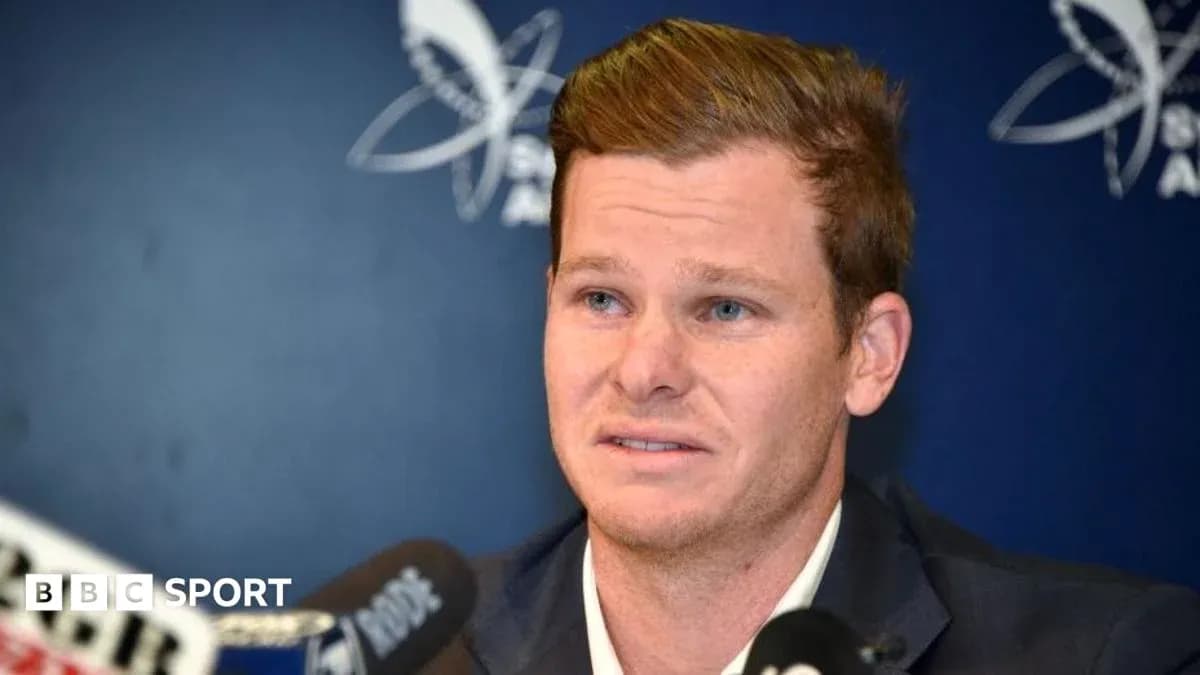
“I’m not a big fan of cameras, I get anxious around cameras,” Smith told News Corp in an interview published on Thursday. “That was a traumatic experience in my life and when I hear the flash of a camera it makes me revisit that, in a way.”
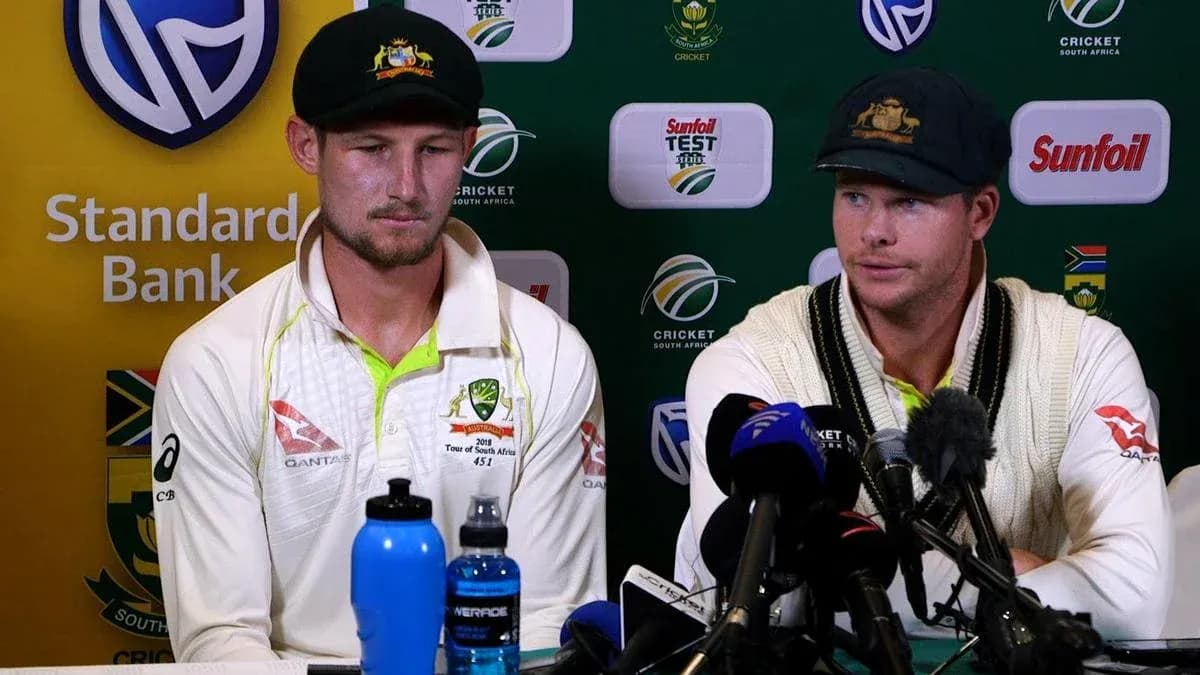
Six years on, the images are etched into cricket’s collective memory. Cameron Bancroft caught on the big screen in Cape Town, fumbling with a piece of yellow sandpaper. The hurried press conference. The confession. The fallout.
Bancroft admitted attempting to alter the condition of the ball during South Africa’s second innings of the third Test. Smith, then captain, conceded he knew of the plan. The reaction was instant and ferocious.
Cricket Australia moved quickly. Smith was stripped of the captaincy and banned for a year. Vice-captain David Warner received the same punishment; Bancroft was suspended for nine months. Australia’s then prime minister Malcolm Turnbull declared the saga had “bitterly disappointed the whole nation”.
For Smith, the punishment extended far beyond the official sanction.
“The 24-48 hours after being told by James Sutherland that I was getting banned for a year, going through the airport in Johannesburg getting absolutely mobbed, and then flying back and doing that press conference... I still have little flashbacks here and there of it,” he said.
“I felt like I was kind of thrown to the wolves through [Johannesburg] airport. I didn’t have any support there at all.”
He broke down in tears at Sydney airport as he apologised, the cameras he now dreads recording every second.
A mind under siege
Smith doesn’t dress up what followed.
“It was certainly a difficult period, particularly the initial few days after,” he said. “The mental state I was in was not great.
“That’s somewhere I’d like not to get to again, but I certainly learned from that and have been able to move forward with my life.”
He has tried to bury much of that South African tour.
“I’ve tried to kind of erase a lot of 2018 and what happened,” he admitted. “I can’t remember a lot about the series. I’ve tried to block most of it out of my memory bank.”
Yet the triggers remain. The flash of a camera. The roar of a hostile crowd. The walk through an airport, eyes fixed, phones raised.
From exile to elder statesman
Smith’s response on the field has been emphatic. Returning to the Australia side in 2019, he quickly reasserted himself as one of the premier batters in world cricket, his numbers and influence restoring his standing in the dressing room.
Once his two-year leadership ban expired, Australia turned back to him. He was appointed Test vice-captain before the 2021-22 Ashes and has stepped in as captain when Pat Cummins has been unavailable, a remarkable arc from disgraced leader to trusted deputy.
He has already gone back to South Africa once, for a one-day series in 2020. He has faced some of the most hostile atmospheres modern cricket can offer, particularly in England, where Ashes crowds have revelled in reminding him of Cape Town.
“It’s something I’m kind of used to,” Smith said. “I’ve copped a lot at times away from home, at different venues across my career, and it’s something that I take in my own stride.
“I use it as motivation to try and go out and do well, and try and take a positive from it.”
Back to the scene
Now comes the real return: a three-Test series in South Africa, starting in Durban on 9 October. The first time the Baggy Greens will play a Test there since sandpapergate detonated.
The narrative almost writes itself. Smith, 37 now, no longer the brash young captain but the seasoned pillar of Australia’s batting, walking back into the country where his career nearly imploded.
He insists he has moved forward. The record books say he has rebuilt. The leadership group shows Australia trust him again.
But the sound of a camera shutter still takes him back to that airport, that press conference, that year out of the game.
South Africa awaits. How much of 2018 really stays buried when he walks out in Durban will be revealed the moment the first flash goes off.