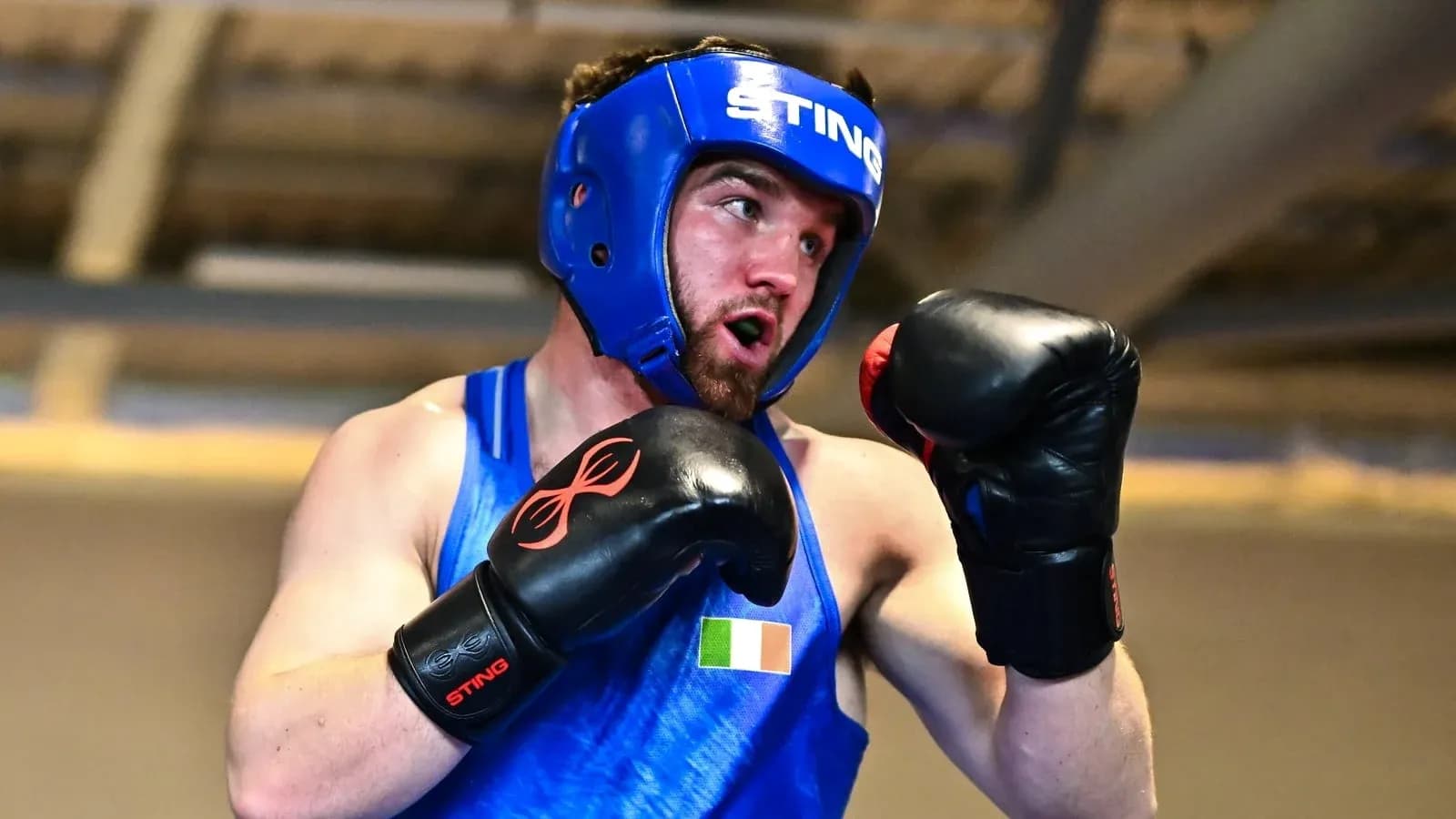
Sonny Kerr: Chasing Olympic Glory Instead of Pro Boxing
Sonny Kerr can hear the siren call of the professional ranks. Bright lights, big purses, his name on posters instead of entry lists.
For now, he’s turning the volume down.
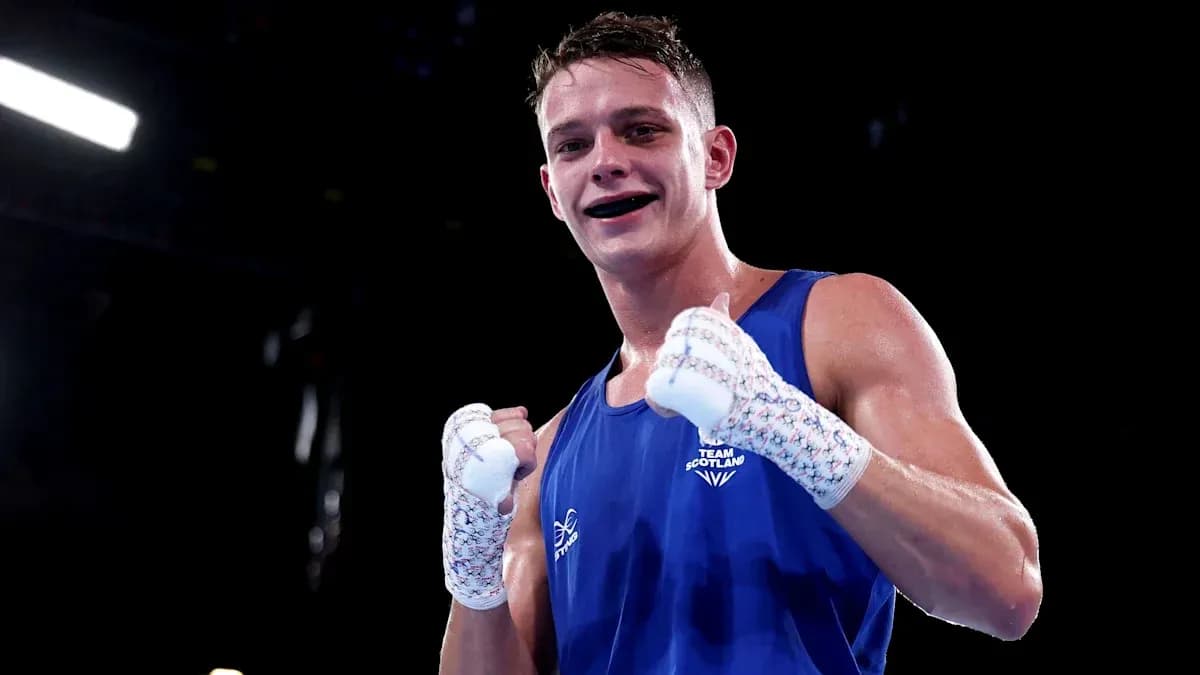
Fresh from a bronze medal at the Commonwealth Games in Glasgow, the 21-year-old from Aberdeen is choosing the long road, not the fast one. The destination he has in mind is not a small-hall debut or an undercard slot. It is the Olympic Games in Los Angeles in 2028.
“I don’t want to peak at this, I want to keep really levelling up now,” he told BBC Scotland. That line says plenty. Bronze in Glasgow is not a finish line in his head. It is an early checkpoint.
The pull of the pros, the pull of the rings
Kerr knows exactly what is on the table. A Commonwealth medal is often the moment when agents start calling, managers start circling and the idea of “turning over” stops being a fantasy and becomes a genuine option.
“There is a temptation to go professional of course if certain things align,” he admitted.
Yet his reality is different to most. Kerr is the only Scottish boxer currently on the GB Olympic programme, a rare status that opens a door very few get near.
“So the LA cycle is something I would like to stay on for and try and qualify for because that is once in a lifetime stuff really – to be an Olympian.”
That is the choice in front of him. A possible fast track into the paid ranks, or four more years of grind in pursuit of five rings and a flag on his vest.
Sheffield graft, Scottish ambition
Kerr fights at light-middleweight, the 70kg division in which he stood on the podium in Glasgow. Much of his life now is spent far from home, down in Sheffield with the GB Academy squad, where the training is unforgiving and the standards even higher.
Being part of that setup is an achievement in itself. It is not a guarantee of anything. The step from academy prospect to Team GB Olympian is a brutal cut, and Kerr knows it.
“I have just kept plugging away and now hopefully I can reap the rewards,” he said. “It is a hard programme to get on to, only the best get on.”
His record suggests he belongs. Three Four Nations Elite titles, at three different weights, mark him out as adaptable and durable. He has not crashed onto the scene out of nowhere; he has climbed, slowly, weight by weight, tournament by tournament.
Big names, big expectations
Kerr talks about “big boots” to fill, and he is not exaggerating. When he looks at the path he wants to follow, the names are Josh Taylor, Anthony Joshua, Luke Campbell. All of them built their reputations in the amateur system, all of them stood on major international podiums before becoming headline acts in the professional game.
Those are the careers he studies, the arcs he hopes to echo. Not by copying their style, but by matching their patience.
While Glasgow delivered a medal, it did not deliver the colour he wanted. Bronze is an achievement; to a driven 21-year-old, it is also a reminder that there is more work to do.
Glasgow lessons, not Glasgow regrets
“That was probably the biggest stage I have been on,” Kerr reflected. The venue, the cameras, the expectation. The added edge of boxing at home, in Scotland, with the crowd roaring and every eye in the arena locked on him.
“I have boxed in big tournaments before but it being in Scotland, with the crowd, all the eyes are on you boxing. I thought I was quite composed, I didn’t let it affect me.”
That composure matters. Plenty of young fighters tighten up when the noise rises. Kerr believes he grew.
“It gives me a lot of confidence, but it also lets you know the hard work is paying off,” he said. “Because there have been a lot of years, a lot of fights that haven’t gone my way in the past and when you do start to get a little bit of luck, and things go your way, you know it is for a reason so that gives you a confidence in itself.”
Those “years” and those “fights” are the unseen part of the story. The early exits, the split decisions, the long journeys home with no medal in the bag. They are why a bronze in Glasgow means more than a line on a CV. It is validation.
Now the choice sharpens. Chase the immediate reward of the pro game, or stay in Sheffield, stay on the GB pathway, and aim for Los Angeles. Kerr has made his call, at least for now.
The ring he wants to walk into next is not surrounded by casino seats or pay-per-view cameras. It is the one at an Olympic Games, where a single bout can define a career and a lifetime of work is distilled into nine frantic minutes.