Singapore Open Elevates to WTA 500 with Star Players
The US Open may close the New York chapter of the season, but the tour does not exhale for long. On Monday, Sept. 21, the WTA caravan rolls east, opening its fall Asian swing with the Singapore Open and the Korea Open — two events carrying very different histories, but both loaded with intrigue.
Singapore steps up to WTA 500
Singapore arrives on the calendar with a new badge of status. Once a WTA 250, the Singapore Open has been elevated to WTA 500 level this year, and the upgrade has done exactly what the organizers hoped: sharpened the draw and raised the stakes.
Ranking points. Prize money. Prestige. Players have noticed.
The event itself has a curious past. First staged in 1986, the Singapore Tennis Open should, in theory, be celebrating four decades of champions. It is not. The tournament vanished from the schedule from 1991 to 1993, then again for an extraordinary stretch from 1995 all the way to 2024.
It finally reappeared on the WTA calendar in 2025, and Elise Mertens, now seeded fourth this year, walked away with the title in its comeback edition. She returns as defending champion, but this is a very different field and a very different tier of event.
The draw lost one of its marquee names when Jessica Pegula, the original top seed and a 2026 US Open semifinalist, withdrew. Any sense of deflation did not last long. The reshuffled seedings still read like a who’s who of rising and established talent.
Mirra Andreeva, the 2026 French Open champion, now sits at the top of the bracket as the new No. 1 seed. The teenager has already proved she can handle the glare of a major; now she arrives in Singapore as the player everyone wants to knock off.
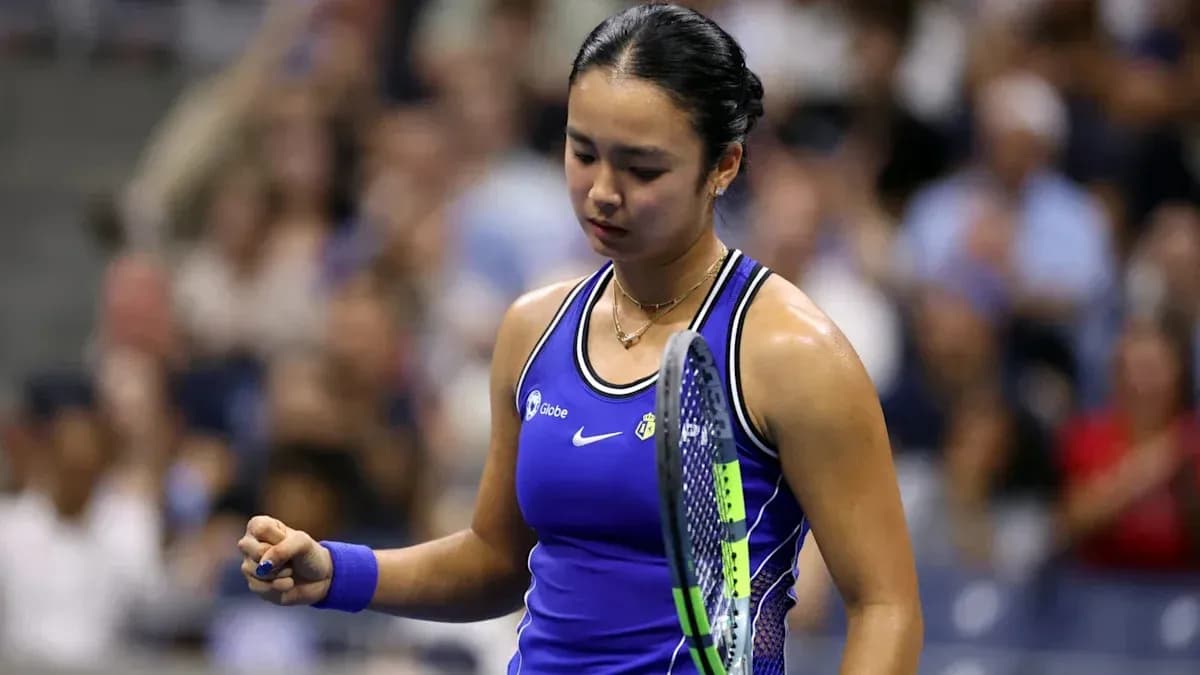
Behind her, Amanda Anisimova takes the No. 2 seed, a reminder of the American’s enduring quality when healthy and focused. The third seed is Alexandra Eala, the 21-year-old Filipina whose following has turned this week into something closer to a home event than a neutral stop on tour.
Eala mania hits Singapore
You could feel it long before she struck a ball.
Eala’s presence has transformed the atmosphere around the tournament. Nike has rolled out custom Eala merchandise, highlighted by designs featuring the sampaguita, the national flower of the Philippines. It is not just a marketing flourish; it has become a visual marker of a fanbase that has traveled and mobilized.
Supporters queued for hours outside the store to get their hands on the gear, a scene more akin to a title celebration than the opening days of a WTA event. Inside the grounds, flags, shirts, and banners tell the same story: Singapore may be the host city, but Eala will not feel like she is playing abroad.
Her profile has risen steadily over the past two seasons, and this week offers something bigger than a ranking opportunity. A deep run here, at a newly minted WTA 500 with a crowd already leaning her way, would signal that her surge is not just regional hype but a permanent shift near the top of the women’s game.
Korea Open brings its own star power
While Singapore basks in its new status, the Korea Open holds firm as a WTA 250 — and still lands a Grand Slam champion at the top of the bill.
Jelena Ostapenko, the explosive Latvian and former French Open winner, leads the field as the No. 1 seed in Seoul. She brings box-office tennis and unpredictable scorelines, exactly the kind of presence a 250 event craves as the tour transitions from the chaos of New York to the precision of Asian hard courts.
Both tournaments mark a clear pivot in the season. The majors are done, the storylines are not. Rankings, year-end positions, and momentum for 2027 will be shaped on these courts, under these lights, with players chasing something that does not fit neatly into a trophy cabinet: control of the next chapter.