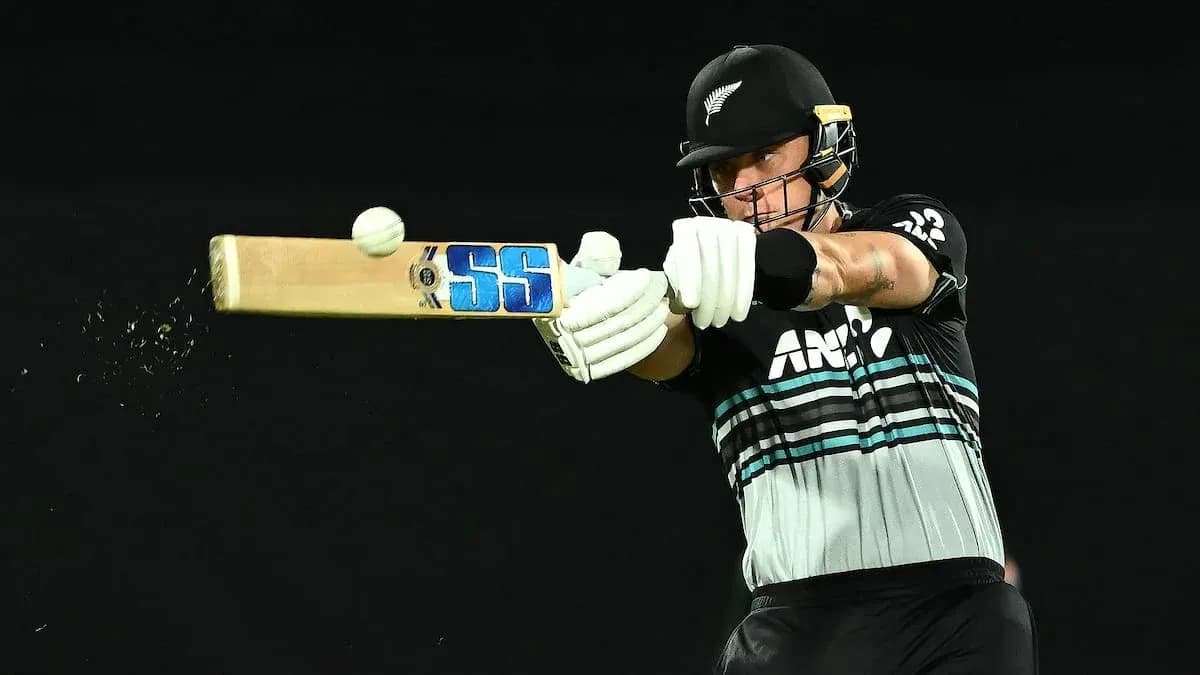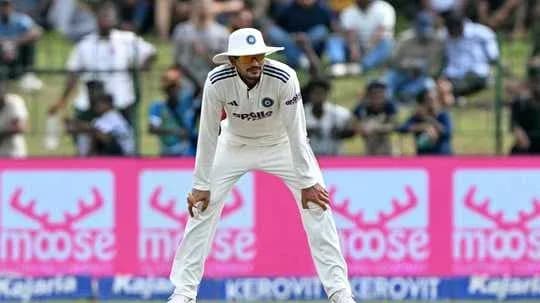
Shubman Gill's Captaincy Challenge in Colombo Test
Shubman Gill stood alone at the pitch, bat tucked under his arm, eyes fixed on the surface as if it might suddenly confess its secrets. An hour into Day 5 in Colombo, the first drinks break arrived, but he barely noticed the tray of bottles. This wasn’t a moment for electrolytes. India needed a wicket. Just one, to crack open a stubborn seventh-wicket stand and loosen the knot tightening around their captain.
He had been here before.
In Galle, Dhananjaya de Silva and Sonal Dinusha had dragged the game deep, resisting for an hour and a half before India finally broke through and surged to victory. Colombo felt like the sequel, only with more complications and fewer guarantees. Galle had offered a simple equation: take wickets, win the Test. Colombo added a twist: take wickets, then chase, all while watching dark clouds and a ticking clock.
Attack too hard and Sri Lanka’s tail would bleed runs, swelling the target. Ease off and precious overs would slip away. Gill’s mind was working as hard as his bowlers.
Sri Lanka, effectively 16 for 6 at the start, had only one realistic route out: survive in small blocks of time, stretch the game, drag it into the final session and beyond. Much of that fragile hope hung on one man. Sonal Dinusha, again. Still there. Still batting as if his Test career, and perhaps more, depended on it.
Gill threw everything he knew about Test captaincy at the morning. His spinners worked in short, sharp spells, fingers preserved for maximum revs on a surface that was turning big but not fast. His quicks went short, hostile, with a short leg and leg gully prowling for gloved fend-offs and miscues. Between deliveries, Gill was in constant motion: walking to his bowlers, whispering plans, shuffling fielders by a few steps here, a few there. The energy was relentless.
But as the hours dragged on, his shoulders began to tell a different story. The longer Sri Lanka batted, the more the game seemed to slip from his grasp. The captain who started the day buzzing around the field slowly began to wear the look of a man wrestling with forces beyond his control.
Test cricket, though, has a habit of punishing certainty. You’re never out of it. Not fully. Not until the last door slams shut.
Just after Lunch, a crack of light appeared. In the first over of the session, Manav Suthar drew an edge from Nuwantha, the ball flying low to Dhruv Jurel at second slip. India roared. A familiar script threatened to unfold: tail exposed, pressure mounting, a quick collapse, a chase to follow.
Instead, the game turned into a long, grinding duel.
For more than two hours until Tea, India and Dinusha played a tense game of chess. India knew the truth by then: the key to a result did not lie with the man who refused to budge at No. 6. It lay at the other end. So they went after Prabath Jayasuriya with everything they had.
Fielders shuffled dramatically whenever they could get the No. 8 on strike. Bowlers targeted him, probing for a mistake, a misjudgement, anything. On the rare occasions Dinusha faced the sixth ball of the over, the quicks even went wide outside leg stump, trying to deny him the single, trying to freeze him at the non-striker’s end when the next over began. It became a delicate, slightly desperate game of strike control.
Dinusha, remarkably, kept winning that battle.
India refused to blink. Suthar tried something straight out of a coaching manual nobody had written yet: coming over the wicket on a diagonal, running in between the umpire and the stumps, releasing from an awkward angle that looked as strange as it felt inventive. It didn’t work. The ball beat the bat, teased the edge, but refused to carry the final inch.
Superstition began to creep in. Mohammed Siraj, searching for any shift in fortune, walked up to the stumps mid-over and performed the now-familiar bail switch, a little ritual that has become part theatre, part plea to the cricketing gods.
The gods didn’t move.
Sri Lanka’s lower order rode their luck with a mix of nerve and just enough skill. The ball turned sharply, but it turned slowly. That mattered. It gave Jayasuriya and Lahiru Kumara time to adjust, time to play late, time to keep the outside edge of their bats just centimetres away from disaster.
Jayasuriya survived the majority of his 28-ball stay with that slim margin as his ally. Kumara dug in even deeper. Ninety balls of defiance. Ninety balls that gnawed at India’s belief and fed Dinusha’s calm. With the turn coming off the pitch at a gentle pace, Dinusha could premeditate his sweeps with confidence, knowing the ball wouldn’t hurry him. The tail, emboldened, could commit forward, trusting that any misread wouldn’t be punished at high speed.
From the dressing room balcony to the Indian huddle in the middle, frustration began to harden into something else.
"It gets very frustrating," Gill admitted later, speaking as much about the weight of captaincy as the day itself. "Then you start questioning, was follow-on the best decision? Was it not? But then you kind of have to go back in the moment and see, what can I do? Did I take the best decision in that moment? Yes, I did. Then you can't do anything about it, you have to keep trying your best and I think we did that. We tried all that we could."
This wasn’t a story of one side bowling poorly or a pitch turning into a minefield. The truth sat somewhere in the messy middle. India tried everything. The conditions misbehaved just enough to tease, not enough to decide. And on days like this, sometimes one player simply understands the surface better than anyone else out there.
For every Oval or Galle, where the script runs true and the stronger side closes the show, there will be a Colombo. A day when the final act refuses to follow the plan, when resistance from an opposition dressing room rewrites the ending.
On such days, captains are forced into a rare posture. They have to swallow the urge to control everything, accept the limits of their influence, and tip their cap to the man who held firm.
Gill did exactly that.