Why Shakur Stevenson's Split from Zuffa Reveals Dana White's Limits in Boxing
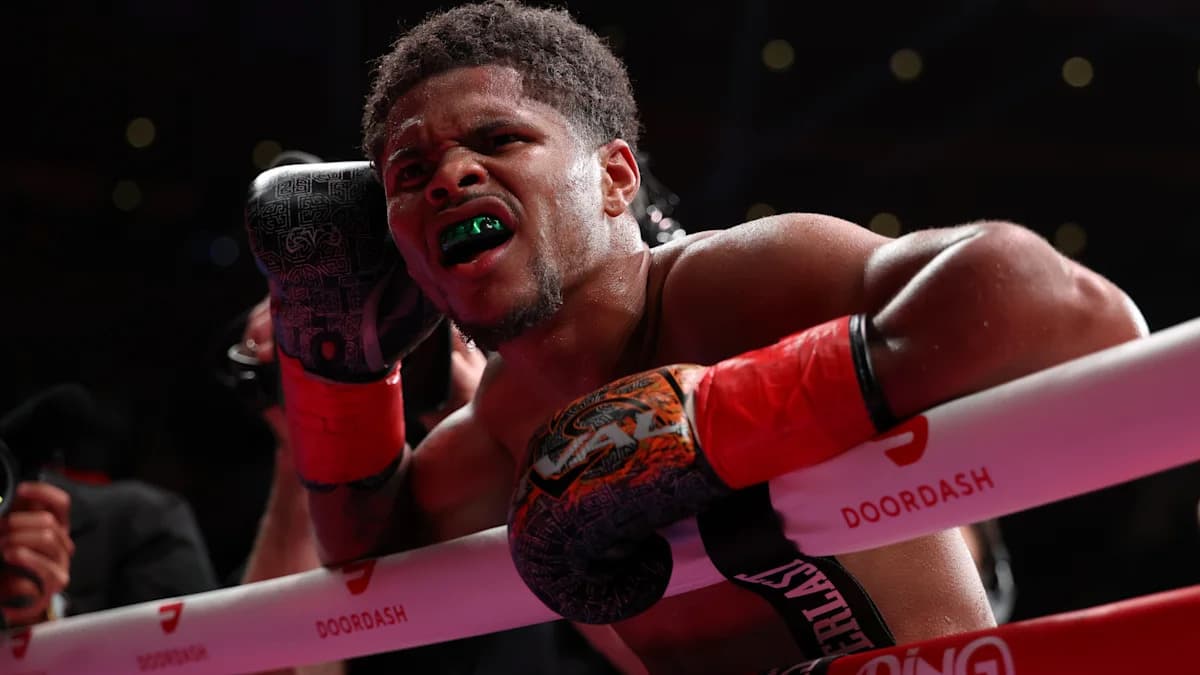
After just over three months and no fights, Shakur Stevenson has parted ways with Dana White's Zuffa Boxing, marking a major setback for the UFC promoter's boxing ambitions. Despite lengthy negotiations involving millions of dollars, the partnership failed to produce any bouts, exposing a critical issue in trying to apply the UFC promotional model to boxing.
The Clash of Control: UFC vs. Boxing
In UFC, the promotion wields near-total power, controlling fighters’ opponents, fight timing, and the platform. Fighters can push for changes but ultimately must accept the company’s terms or wait indefinitely, as seen with UFC middleweight champ Sean Strickland. In boxing, though, the landscape is fragmented. Even with Stevenson under contract, most of his desirable opponents were signed elsewhere, with schedules and financial demands beyond Zuffa’s reach.
Obstacles in Building Fights
Stevenson immediately ruled out fighting Jose Rayo Valenzuela, Zuffa’s top lightweight, forcing Dana White to search outside his roster. Attempts to unify titles with Gary Antuanne Russell stalled over Russell’s $3 million asking price, which Zuffa refused. Mandatory defenses and talks about placing Stevenson on the Tyson Fury vs. Anthony Joshua undercard also collapsed due to money disputes.
Zuffa then tried arranging a bout between Stevenson and WBO welterweight champ Devin Haney. Though they belonged to different networks—Zuffa affiliated with Paramount and Haney with DAZN—Zuffa was willing to let Stevenson appear on DAZN to make this happen. Yet, disagreements on purse size and weight categories ended those plans too.
Money Talks and Negotiation Stalemates
Sources said Stevenson wanted around $15 million for a fight against Haney, while Zuffa offered roughly $7 million. Reports indicate he asked the same figure to face Valenzuela under Zuffa’s banner. For context, Conor Benn earned $15 million in his Zuffa debut, a deliberately high offer meant to set a precedent. Stevenson used his star power to demand top pay, reject opponents, and refuse to fight at welterweight.
Challenges Ahead for Zuffa and Prospective Fighters
Zuffa’s challenge lies in signing stars who already have options and freedom. Most opponents needed to create marquee fights are tied to other promoters and networks. The prospect of signing Ryan Garcia, who still has two DAZN fights left, presents the same hurdles: locking down the star without control over his biggest matchups.
Stevenson’s Future Moves
Now a free agent, Stevenson aims to regain control by starting his own promotional company, open to working with various promoters willing to support his career seriously. His best path likely involves joining the DAZN ecosystem, where many potential opponents like Garcia, Haney, Russell, and others already fight.
He was offered a direct deal by DAZN this summer, similar to Zuffa’s offer. But the landscape shifted since then. With Lopez, Haney, and Garcia signed to DAZN, the bargaining power has swung to the streaming service’s favor, potentially lowering Stevenson's earning potential if he chooses a DAZN deal now.
Negotiation and Compromise Ahead
While a move to DAZN would align Stevenson with many of his desired opponents, it won’t automatically fix disputes over money and weight classes that killed previous fights. Having reclaimed control over his career, Stevenson now faces the challenge of balancing demands with compromises to secure meaningful matchups.