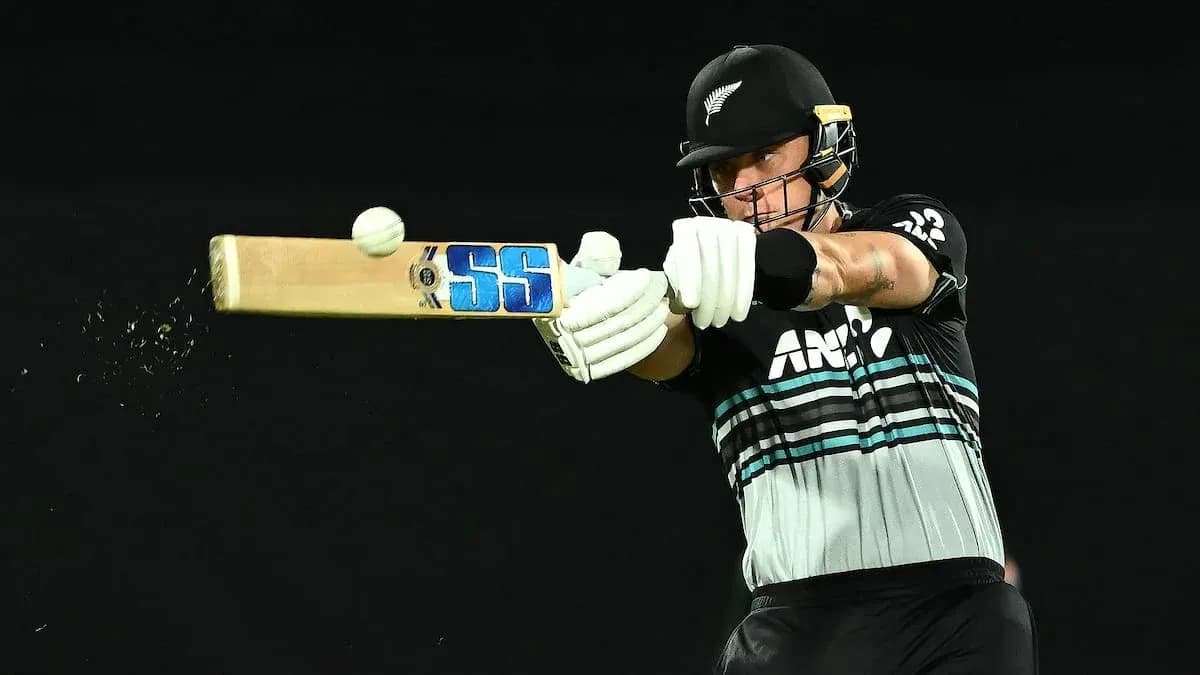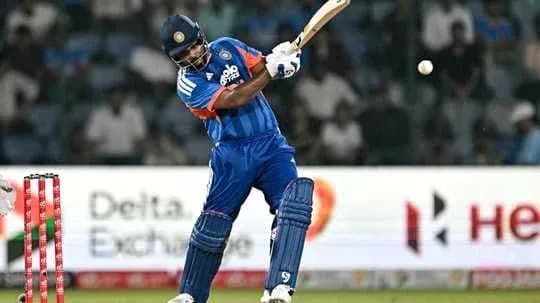
Sanju Samson and Sooryavanshi: A Dynamic Cricket Rivalry
The first time Indian cricket really met Sooryavanshi, he was 14, fearless, and walking into a crisis.
Rajasthan Royals had just lost their captain to injury deep into the IPL 2025 league phase. The season was wobbling. The franchise turned to a schoolboy. He walked out at the top of the order and, in only his third game, peeled off a century. That was the night the pecking order shifted.
By the time Sanju Samson returned from injury, the teenager had done enough damage to the old script. RR kept the kid at the top. Samson, captain and star, slid to No. 3. The mentor moved aside so the protégé could breathe.
Two Openers, One Slot
Fast-forward to the present. Same two men, different colours. In India’s T20I side, Samson and Sooryavanshi now scrap, quietly but intensely, for the same space at the top of the order.
In Zimbabwe a few weeks ago, the teenager lit up his first full international assignment, walked away with Player of the Series, and looked every bit the coming storm. Yet in Delhi, against Afghanistan at the Arun Jaitley Stadium, the team sheet told a different story.
Samson in. Sooryavanshi out. For the second game in a row.
Samson had failed in the series opener. This time he came out swinging. Twenty-two balls, 57 runs, and a tone that said as much as any press conference. India sealed the series 2-0 with a game to spare. The kid watched from the dugout.
From the outside, it looks ruthless. One spot, two in-form openers, a revolving door of opportunity. Inside the dressing room, Samson insists it feels different.
“We may be competitors to the outside world, but we are a team and we are playing for a country and we want to win the game first,” he said after the win. The words were measured, but the reality around them is anything but simple.
Living With the Noise
Samson knows exactly where he stands in this ecosystem. He was Player of the Tournament at the home T20 World Cup earlier this year, and that wasn’t some soft award for sentiment. Benched at the start, he roared into the knockout stages with 97* off 50 in the semifinal and 89 in the final as India became the first team to defend a T20 crown.
That kind of tournament usually buys a long rope. It didn’t.
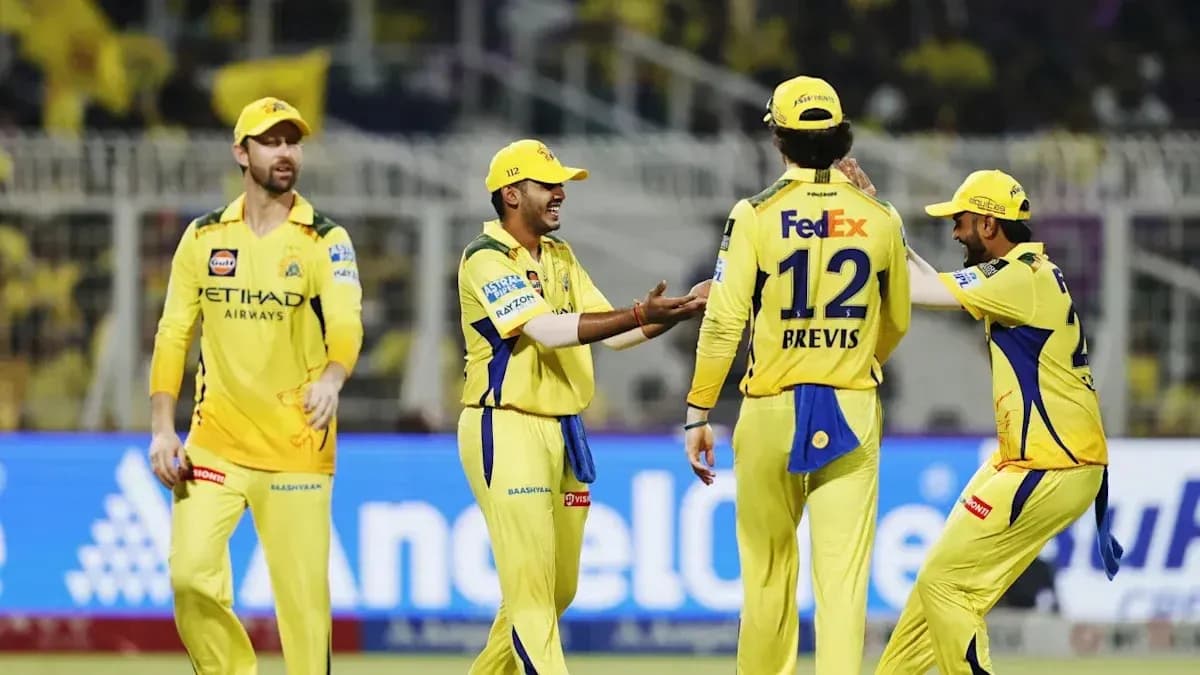
While Sooryavanshi was detonating attacks in the IPL with a 776-run season at 48.5 and a staggering strike-rate of 237.3, Samson was living a very different life at Chennai Super Kings. Feast or famine. Blazing one night, gone the next. The contrast was impossible to ignore.
Then came the dip. Three failures in a row for Samson – twice in Ireland as India slipped 0-2, and again in the first T20I in England. The murmurs turned into a chorus. The Sooryavanshi factor could no longer be parked for later.
The teenager got his chance in that England series. Three games, a harsh initiation against high-quality bowling, and not much on the scoreboard to show for it. Samson returned for the final match, but India still went down 0-4. The selectors then parked Samson for the Zimbabwe tour entirely. Sooryavanshi went back out, thrived again, and carried home another Player of the Series award.
Momentum, it seemed, had swung his way.
Then came Delhi. Another twist in the musical chairs. Another debate.
Samson, though, has found his own way to ride the storm.
“I try to turn off the Wi-Fi,” he joked, and the room broke into laughter. Behind the line sits a very real coping mechanism.
“At first, it feels bad. I am not a machine. We are not robots that it wouldn’t affect us at all. It definitely matters, and you kind of get a bit affected,” he admitted. The honesty is striking. So is the acceptance.
The Risk, the Method, the Mind
Samson’s batting has always carried a certain volatility. High-risk, high-reward, and in T20 cricket that’s no longer a luxury – it’s the entry fee for an opener. You don’t survive at the top by nudging your way to 35.
The cost is inconsistency in results. He knows that. He’s stopped fighting it.
“I think consistency in my process. I think consistency in my preparation, consistency in how I am practicing, how I am putting my hard yards in. That's where I try to focus on,” he said. “You can't control the consistency in the result in this format… Consistency has to be in the frame of mind, and then whatever happens, happens. I think that's what fearless mindset is.”
That’s the tightrope he walks now. Same approach, even when the scoreboard doesn’t flatter him. Same intent, even when a 15-year-old – he still calls him that, even though the numbers suggest something far more grown-up – has just torn up an IPL season.
“You see, a 15-year-old boy has scored 700-800 runs. My Man of the Tournament award [at the 2026 World Cup] was before that. After that he’s performed so well. He had to come in [to the Indian set-up] sooner than later,” Samson said. No bitterness. Just a blunt reading of the situation.
When he failed in those two or three games, and Sooryavanshi was in blazing form, the call to back the teenager in England was obvious from a purely cricketing lens. Samson understood that too.
Leadership, and the Tough Calls
What makes this rivalry unusual is its history. This is not just two players thrown together by the system. This is a former IPL captain watching a kid he backed, protected, and promoted now jostle him for his own spot in the national team.
Samson, though, also carries the memory of sitting on the other side of the table.
“It is a very challenging place to be in. For the whole team management and everyone, from the captain, from the coach, from the selectors, it is a very tough choice. I totally understand, myself [having] led an IPL franchise. I know how hard these decisions are when everyone has been performing really well.”
That experience has changed the way he hears bad news.
“There was a lot of communication in the middle of the England series. He spoke to me a lot before this series as well… It’s very easy to take very popular decisions. But, as a leadership group, we have been taking some really tough calls keeping the team at the front. That’s where we have to give the credit to the leadership group of our team.”
He isn’t just talking about the head coach or the captain. He’s talking about a collective that includes him – the senior pro who knows his own place can vanish with a single selection meeting.
Coexistence in a Crowded Sky
For Samson, the only way to stay sane is to separate his journey from Sooryavanshi’s.
The teenager’s rise doesn’t have to be his fall. His own bad day doesn’t have to be the only door for the youngster to walk through. Both can exist in the same squad, in the same dressing room, even in the same XI at times. The competition is real, but it doesn’t have to be toxic.
On Tuesday in Delhi, Samson made his case again with the bat. Clean hitting, clear intent, the kind of innings that forces selectors to pause before they move his name down the list.
The next call, though, may still go the other way. It may belong to the boy he once pushed to the top of the order in Jaipur.
That’s the reality of modern Indian cricket: two openers, one slot, and no guarantees for either.