Sabalenka Advances in US Open Despite Cannabis Disruption
Aryna Sabalenka’s title defence briefly collided with New York reality on Louis Armstrong Stadium – and the smell of it was impossible to ignore.
Three games into her US Open third-round match against Kamilla Rakhimova, the top seed stopped, walked toward the chair, and made her point clear. Someone, she told umpire Eva Asderaki-Moore, was “smoking weed”. The Belarusian asked for intervention, saying the odour was “so strong” it was cutting through the night air and into her concentration.
Asderaki-Moore relayed the complaint over her radio, gestured toward the stands, and after a short pause, the match rolled on. Sabalenka, as she so often does in New York, took control and never really let it go.
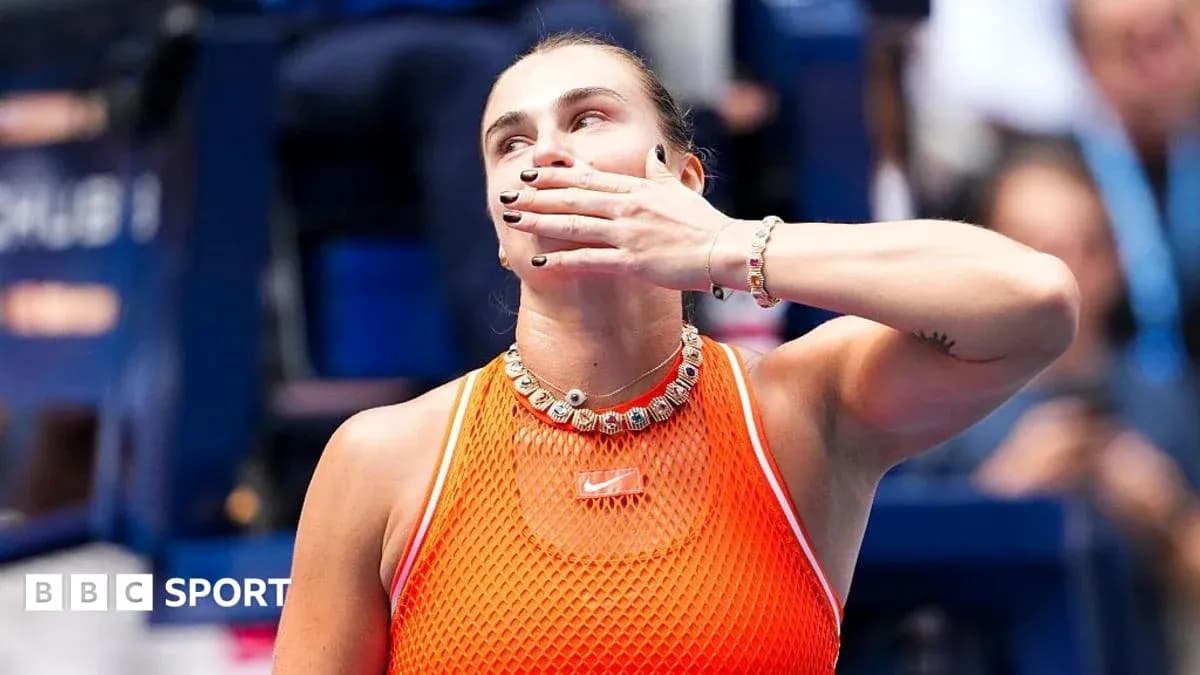
She beat Rakhimova 6-3 6-4, a clean, commanding win that put her into the fourth round and extended her winning streak at Flushing Meadows to 16 matches. The two-time defending champion is now edging closer to history, chasing a third straight US Open crown – a feat last achieved by Serena Williams between 2012 and 2014.
A familiar smell, a familiar dominance
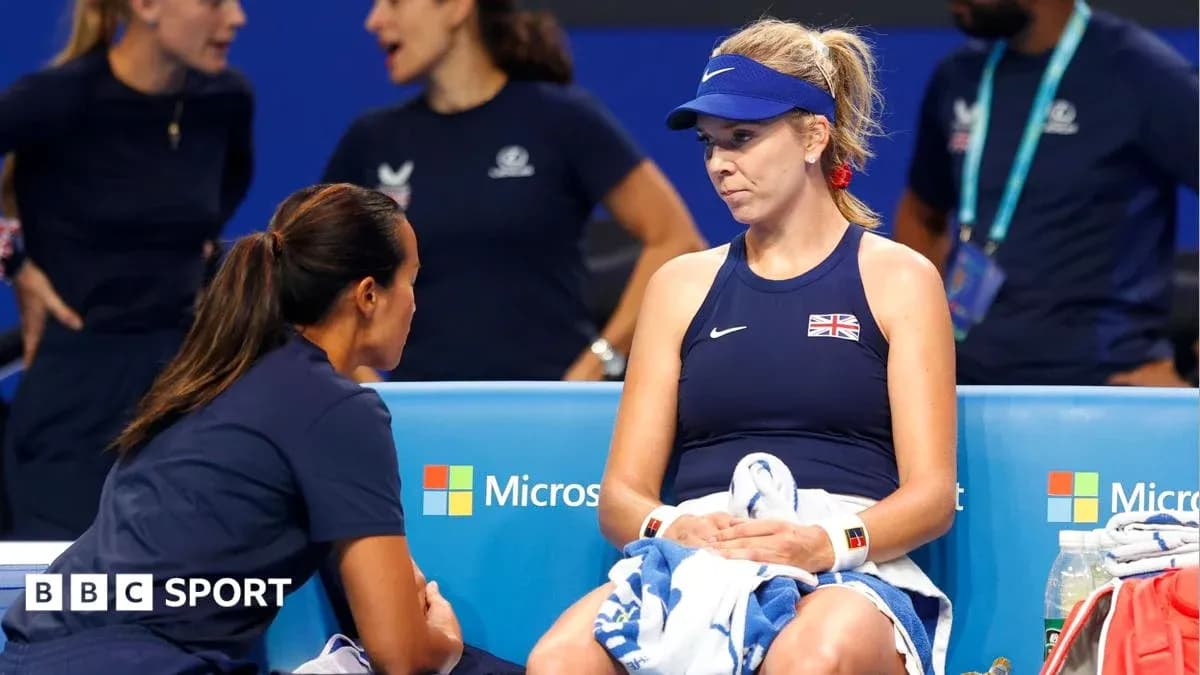
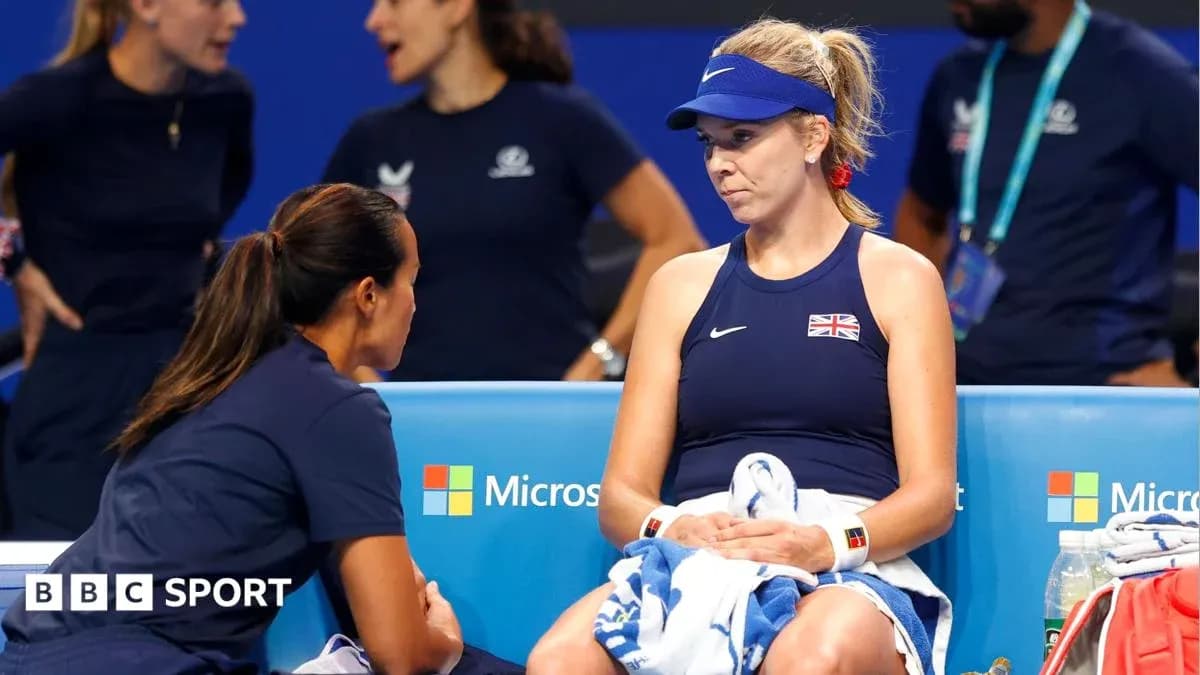
The cannabis issue has become a recurring subplot at this year’s tournament. Britain’s Katie Boulter spoke last week about how distracting the smell was during her match. Harriet Dart and Francesca Jones also reported noticing it. In past editions, Novak Djokovic and Alexander Zverev voiced similar complaints.
Smoking is banned on site at Flushing Meadows, but the grounds sit beside Corona Park, where adults over 21 can legally smoke cannabis. When the wind drifts the wrong way, it finds its way into the stadiums.
On court, though, Sabalenka kept her focus locked on the job at hand. Once play resumed, she went straight back to her trademark baseline assault. The opening set was ruthless: she dropped just four points on serve, hammering through her games and offering Rakhimova almost nothing to cling to.
The scoreboard moved quickly. The top seed’s power off both wings, combined with a rock-solid first serve, meant rallies were short, the pressure constant, and the outcome of the set never really in doubt.
Rakhimova resists, Sabalenka shuts the door
Rakhimova, representing Uzbekistan, refused to fold in the second set. She tightened up her own service games, found more depth from the back of the court and, for a stretch, matched Sabalenka blow for blow.
The contest finally felt like a fight. Sabalenka’s roar came a little louder after the longer rallies. Rakhimova’s body language sharpened as she sensed even the smallest opening.
But the world’s best front-runner rarely leaves the door open for long.
At 4-4, Sabalenka pounced. She stepped inside the baseline, attacked the return, and forced the decisive break to move 5-4 ahead. Serving for the match, she was clinical. No drama, no wobble, just a clean hold to seal the win.
By the end, the numbers underlined the gulf. Sabalenka fired 10 aces to Rakhimova’s two and did not face a single break point all night. Her serve, so often the barometer of her mood, looked in full working order.
History in sight, revenge possibly ahead
This victory keeps Sabalenka’s bid for a fifth Grand Slam singles title very much on track. It also sets up a potentially intriguing fourth-round clash.
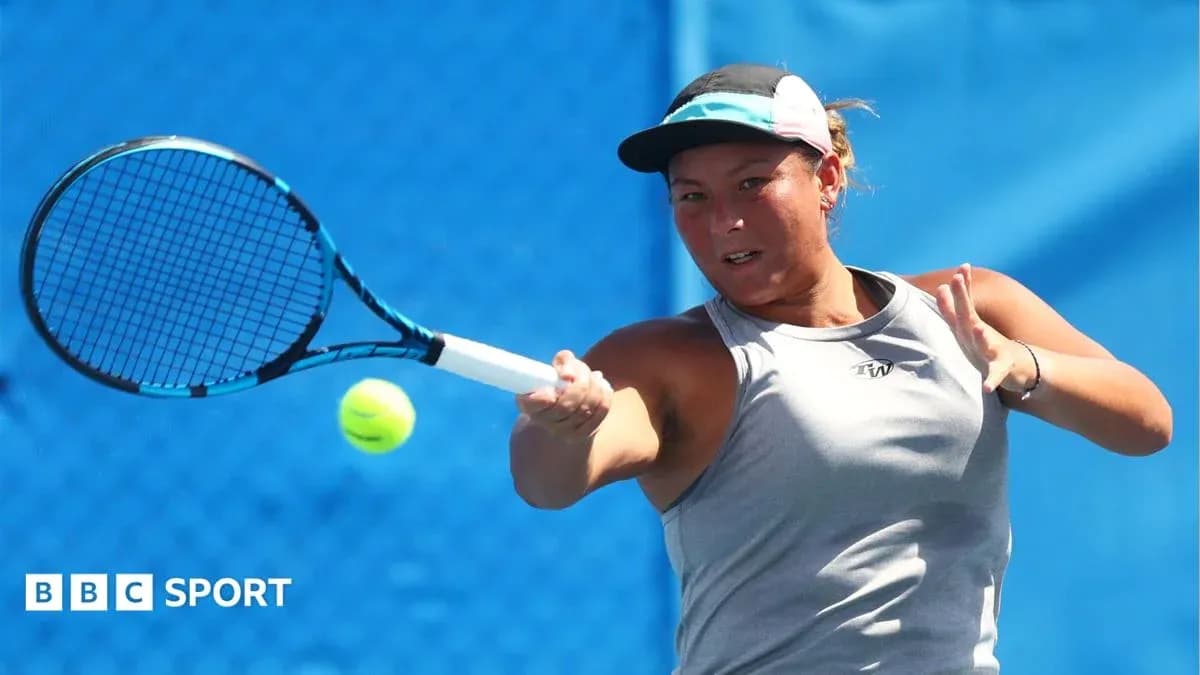
Waiting for her will be either American Taylor Townsend, a crowd favourite with touch and variety, or Russian 15th seed Diana Shnaider. Shnaider carries her own twist into the storyline: she beat Sabalenka in the French Open quarter-finals in June.
Sabalenka has grown used to the noise and quirks of New York – even when that noise comes with a smell attached. Now the question is simple: can anyone disrupt her rhythm on the court as effectively as the city sometimes does off it?