Qinwen Zheng's Unstoppable Rise at the US Open
Qinwen Zheng was flat on her back in Arthur Ashe Stadium, staring at the New York sky, the noise crashing over her. Another giant beaten. Another impossible deficit erased. Another reminder that rankings, injuries and reputations mean very little when her game catches fire.
From qualifying to quarter-finalist. From No 121 in the world to the woman nobody wants to see across the net.
From 0-5 to unstoppable – again
Two days after pulling off one of the great escapes of this US Open against Madison Keys, Zheng did it again. Same tournament. Same city. Same script.
Against Keys, the former Australian Open champion and home favourite, Zheng had looked finished. She trailed 0-5 in the deciding set, faced match point, and was being overpowered by the American 22nd seed. Then something shifted. Zheng reeled off seven straight games to win 1-6 7-6 (7-3) 7-5 and sneak into the second week.
That alone would have been a career-defining comeback for most players. For Zheng, it turned out to be a dress rehearsal.
On Sunday night, under the lights and the weight of expectation, she fell 0-5 behind again, this time to Iga Swiatek, the eighth seed and former US Open champion. The opponent was different, the stakes higher, the aura across the net far stronger. Swiatek is a six-time grand slam champion, the player Zheng had stunned in the Olympic gold medal match in Paris two years ago.
The Pole started like a champion. Zheng started like a qualifier still adjusting to the biggest court in the sport.
“I started the match not so well,” Zheng admitted on court. “Little by little I found my rhythm on the center court because it's been a long, long time. I just really appreciate it to be here in the Ashe Stadium.”
The pressure finally told – but not in the way anyone expected. From 0-5 down, Zheng began to swing freely, her forehand biting through the night air, her serve landing with more precision. Swiatek’s error count crept up, then raced away. The crowd sensed the turn and backed it.
Zheng didn’t just claw her way back. She stormed through seven games in a row to steal the first set 7-5. In the middle of it, she said, she even lost track of the score.
“I just focused point by point and little by little I start to play better tennis, I start to find my game and in one moment I even forgot the score in the first set at 4-5. That shows how I'm focused.”
Swiatek unravels as Zheng rises
For Swiatek, this was a familiar and brutal pattern. Once Zheng dragged her into longer rallies, the Pole’s game frayed. The errors piled up – 28 in total – and with them went her composure. Her last five exits from grand slams since winning Wimbledon in 2025 have all come in straight sets. This one cut deep.
She left Arthur Ashe in tears, another major slipping away without so much as a foothold in a deciding set.
Zheng, by contrast, grew taller with every point. The second set never had the same chaos as the first. It didn’t need it. She struck the only break of serve, guarded it with calm authority and closed out a 7-5 6-3 win on her fourth match point.
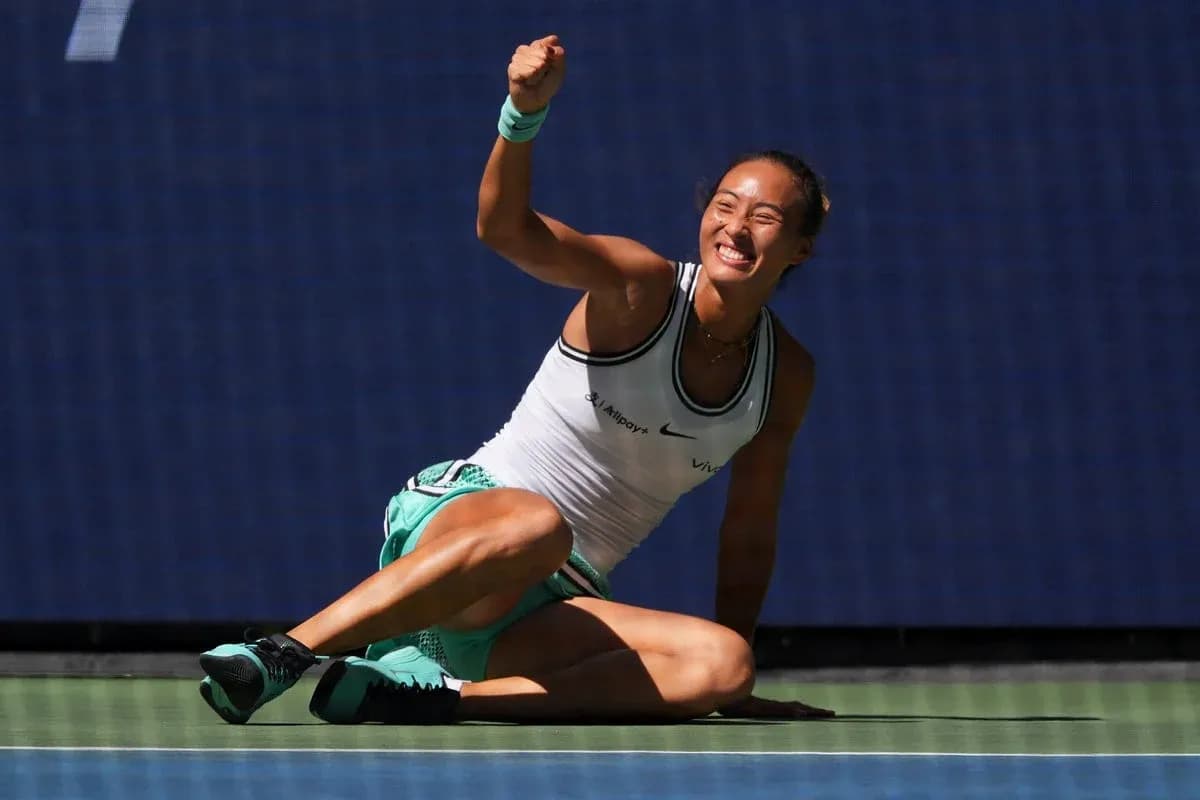
When Swiatek’s final ball missed, Zheng crumpled onto her back, arms spread, soaking in the moment. Seven straight wins in New York. A qualifier now into the US Open quarter-finals for the third time in her career, after a season that almost vanished under the weight of an elbow injury.
She had missed long stretches of 2025, watched her ranking plummet to 121, and had to fight through qualifying just to earn a place in the main draw. Beating a top-10 player again, after so long, clearly meant something.
“I'm just really happy to win this match cause it's not easy and it's been a while really. I didn't beat any top 10 player,” she said. “I just really, really appreciated this win for me, and I want to say thank you for all the fans who come to support me today.”
A brutal stage, a brutal sport
Zheng’s reward is a quarter-final against either second seed Elena Rybakina or 13th seed Naomi Osaka, a two-time US Open champion. There are no soft landings from here. Yet the way she has handled pressure – twice hauling herself back from 0-5 in consecutive matches – suggests she will not flinch.
On a different court earlier in the day, another young star found a way back from the brink.
French Open champion Mirra Andreeva, still a teenager but already hardened by the tour, recovered from a set down to beat Anastasia Potapova 5-7 6-4 6-3 and reach her first US Open quarter-final. It should have been remembered purely as a statement win. Instead, it ended with a grimace and heavy strapping.
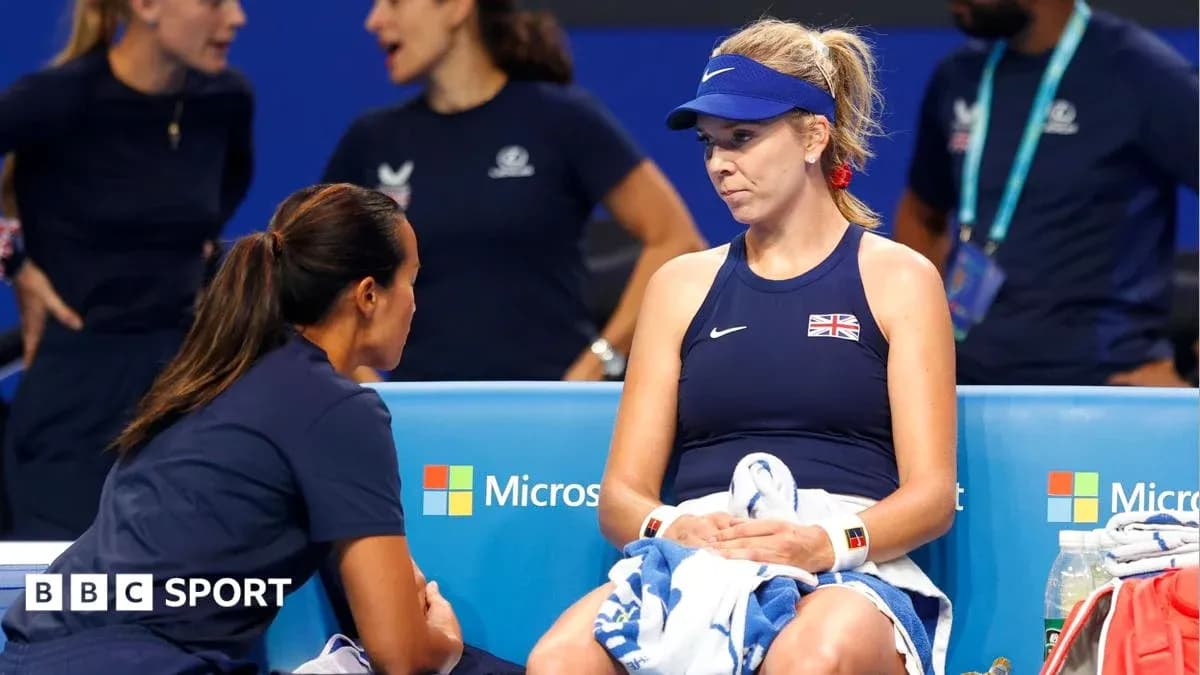
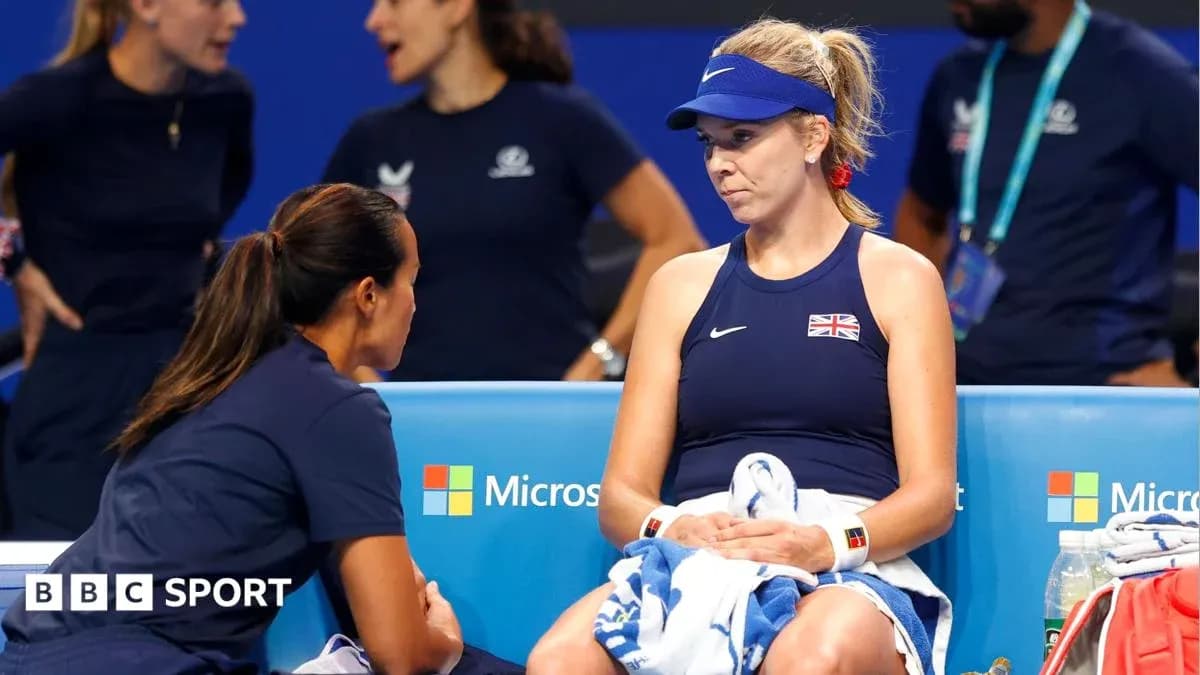
Potapova, representing Austria, had played fearless tennis to take the opening set and hang on deep into the third. At 5-3 down, chasing a forehand, she twisted her knee badly. The sound of her distress cut through the stadium. She was in tears as the physio worked, then had the joint heavily bandaged.
She insisted on finishing. She could barely move. She did not win another point.
“Anastasia is a good friend, and seeing what a battle we have and then seeing her fall is not easy,” Andreeva said. “It’s not the way you want to finish the match. I just told her she is playing amazing and I’m sure she’ll come back even stronger, she’s a warrior.”
One comeback was built on defiance and clean hitting. The other was overshadowed by injury and courage just to stand.
New York can be merciless. It can also be the making of a player.
Zheng now walks into the second week with seven wins behind her, a giant-killing streak in her pocket and the memory of back-to-back 0-5 escapes still fresh. With Rybakina or Osaka up next, how many more shocks does she have left in that racquet?