Pakistan Cricket Faces Brutal Reset Amidst Critique
The shake-up in Pakistan cricket was always going to provoke a reaction. This one has turned into a roar.
Days after the Pakistan Cricket Board (PCB) ripped up its Test plans mid-series in England, Multan Sultans CEO Gohar Shah has delivered a searing, public critique of the country’s cricket culture, from player professionalism to boardroom bureaucracy and media agendas.
The timing is no coincidence. The words are anything but gentle.
A brutal reset after bruising defeats
The PCB’s overhaul came on the back of a humbling start to the Test series. Pakistan were crushed by an innings and 103 runs in the first Test, then outplayed again at Lord’s as England wrapped up a 194-run victory. With the third Test at Edgbaston starting on September 9, the board swung the axe.
Seven players were released from the Test squad before the final match: Mohammad Rizwan, Imam-ul-Haq, Salman Ali Agha, Ali Usman, Aamer Jamal, Awais Zafar and Khurram Shahzad. Big names, young names, squad players – all gone in one sweep.
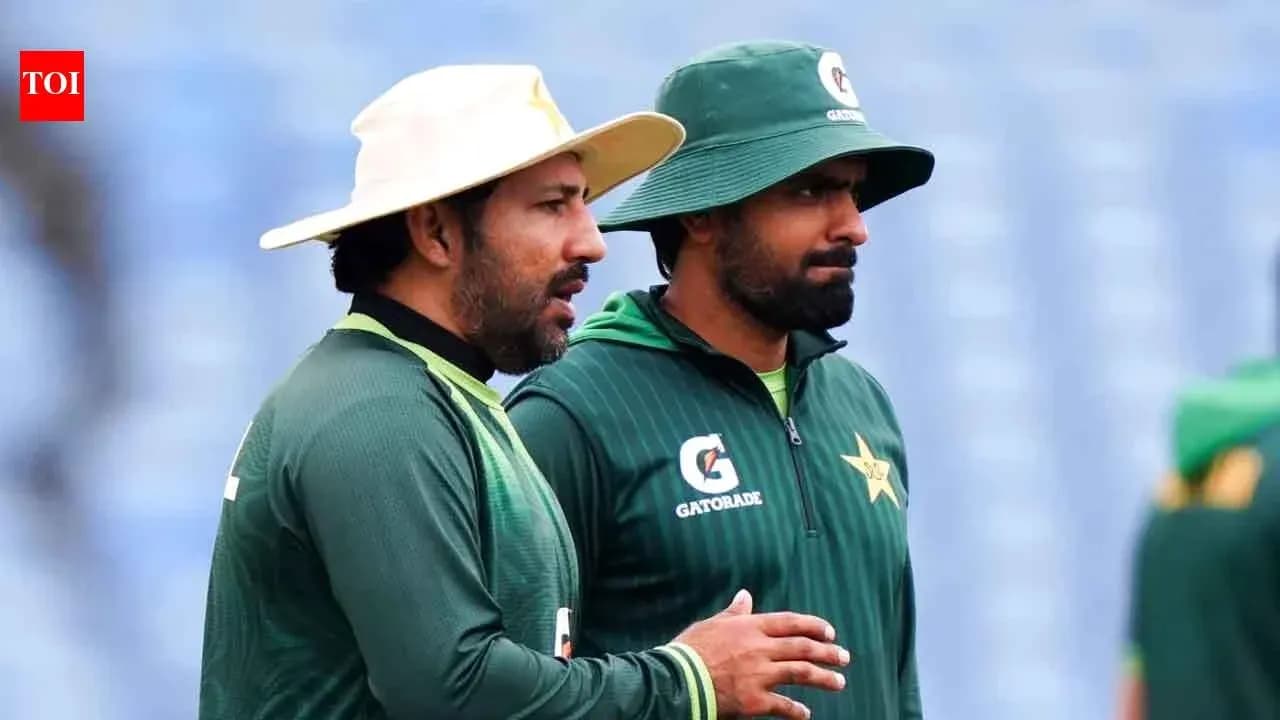
The coaching staff did not escape either. Former captain Sarfaraz Ahmed was removed as head coach, while Umar Gul was relieved of his duties as bowling coach. In their place, the PCB turned to the white-ball setup: head coach Mike Hesson and bowling coach Ashley Noffke were drafted in to see out the rest of the England tour.
It was a dramatic statement. It also lit the fuse.
Gohar Shah: “This may land me in hot water”
Shah, 31, has only two first-class matches to his name, but as CEO of the Multan Sultans and a figure embedded in the Pakistan Super League (PSL) ecosystem, he has a close-up view of the game’s inner workings. On X, he decided to say what he has been seeing.
“This may land me in hot water but I owe an honest assessment to Pakistan cricket. I was a fan before I was a stakeholder,” he wrote, before launching into a long, unvarnished thread on players, media, ex-cricketers, franchises and the PCB itself.
He framed his comments around years of observation: from his own playing days to his time in PSL dressing rooms and dealings with PCB leadership. Then he went straight at the players’ professionalism.
Late nights. Junk food. A casual relationship with the word “professional”.
“Late nights and junk food are common. Now I understand living on hotel food and being stuck for 6 weeks is tough, but the word ‘professional’ has to mean something,” he posted.
This wasn’t about talent. It was about discipline, standards, and a mentality he believes is holding Pakistan back.
“What are you saving your legs for?”
Shah’s sharpest on-field criticism targeted Pakistan’s intensity in the Test arena. He described a reluctance to do the hard, unseen work that defines elite red-ball cricket.
“No one wants to do the tough yards. It’s a mentality thing,” he wrote, pointing to specific moments from the England series. “Like for instance a few times in the test match after a long spell the pace bowlers didn’t run after the ball. What are you saving your legs for? The test match ended in 2.5 days…”
That line cut deep. Pakistan had been outplayed inside three days, and Shah’s accusation was clear: when the pressure rose, the effort level dropped.
For a country that built its fast-bowling mythology on relentless aggression and pride in the craft, the image of quicks not chasing the ball stung. Shah wanted it to sting.
Media, ex-players, and a culture of convenience
He did not stop at the dressing room door. Shah turned his gaze to the wider cricket ecosystem and found little to admire there either.
On journalists, he accused sections of the media of pushing personal agendas and building narratives around who they liked or who “catered” to them, hinting at the role of leaks, gifts and favours in shaping coverage.
His assessment of many former players was just as blunt. Too many, he argued, were content to sit in television studios, repeating the same criticisms without ever stepping into the grind of coaching or formal development work.
“Barring a few who actually worked and got their coaching badges and qualifications most find it more comfortable to go on tv and just iterate the problems. No one presents the solutions nor goes out there and gets the experience / qualifications to contribute,” he wrote.
The theme was consistent: comfort over commitment, commentary over contribution.
A board “too bureaucratic”
Shah then turned to the PCB itself, describing a culture where fear outweighs honesty.
“The board is too bureaucratic. Everyone fears to speak their mind because they worry about backlash and their jobs,” he observed.
Inside the system, he suggested, there are people who genuinely want to help. But when their efforts repeatedly hit a wall, they give up fighting and “just settle for their paycheck”.
It was a bleak picture: a board clogged by bureaucracy, staff muzzled by job insecurity, and ambition slowly drained by inertia.
PSL model under the microscope
As CEO of a PSL franchise, Shah’s frustrations also extended to the structure surrounding the league. He questioned whether franchise owners are truly incentivised to build long-term, sustainable cricketing projects.
He highlighted the 10-year lease model, under which franchises invest in building brands only to hand them back to the PCB at the end of the term.
“10 year lease, you grow the brand, only to give it back to the PCB. So why would you grow if you see none of the benefit? Only the bills,” he wrote, laying bare the financial and strategic tension at the heart of the current arrangement.
He also criticised retention rules and category changes, arguing that owners invest heavily in players and talent hunts only to lose them due to what he described as agenda-driven decisions.
From his vantage point, franchises carry the costs and risks, while control and long-term reward remain elsewhere.
Criticism with a heartbeat
For all the sharp edges, Shah’s thread did not read like a parting shot. It read like a plea.
“Pakistan cricket will always be in my heart. Pray for us to go back to being the best. Not just good or competitive, but the best,” he concluded.
The words landed in a week when Pakistan cricket felt raw, exposed and uncertain. A Test squad gutted mid-tour. A coaching staff reshuffled on the fly. A CEO willing to risk “hot water” to call out what he sees as deep-rooted cultural flaws.
The PCB’s overhaul has already changed the faces in the dressing room. The question now is whether voices like Shah’s force anything deeper to change – or whether, once the noise dies down, everyone simply settles for their paycheck again.