Pakistan Cricket Faces Major Overhaul as PCB Chairman Takes Action
Pakistan cricket is bracing for a seismic shake-up, with PCB chairman Mohsin Naqvi preparing to swing the axe on some of the most influential figures in the current set-up.
According to a PTI report, Naqvi is poised to overhaul the national selection structure in the coming days, a move that includes releasing former Test pacer Aaqib Javed from his role as senior selector. For a board that has lurched from one crisis to another in recent months, this is not tinkering. It is a reset.
An internal source summed up the mood inside the corridors of power: Naqvi, the source said, has now accepted that “radical measures” are the only way to halt Pakistan’s losing streak and the chaos engulfing its cricket. The changes, the source added, are no longer hypothetical. They are “on the cards.”
Aaqib’s position has been under intense scrutiny since the fallout from Pakistan’s defeat in the Lord’s Test against England earlier this month. In the immediate aftermath, he drove a raft of controversial changes to the Test squad. Seven players were sent home mid-tour, along with two members of the coaching staff — head coach Sarfaraz Ahmed and bowling coach Umar Gul.
The decision stunned many inside and outside the dressing room. It was not the first time Aaqib had been at the centre of turbulence either. His tenure has been marked by repeated shifts in coaching personnel and captaincy, leaving the team in a near-constant state of flux. That instability now looks to have caught up with him.
He is not the only former Pakistan bowler in the firing line. Wahab Riaz, currently working as a mentor with the women’s team, is also expected to be released from his duties once the Asian Games campaign in Japan concludes later this month. Another familiar name, another door likely to close.
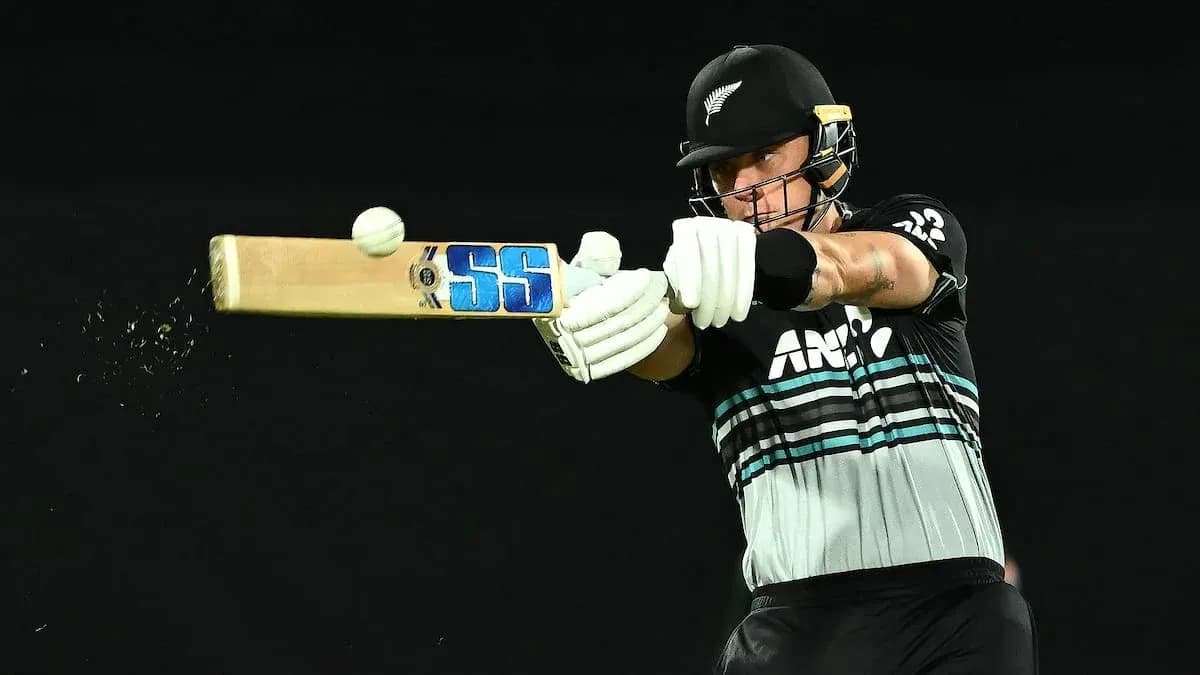
Behind these moves lies a broader strategic pivot. The report indicates that the PCB’s mid-tour coaching shake-up in England was driven by white-ball coach Mike Hesson signalling strong interest in stepping into an all-format role with the men’s side. That interest has clearly emboldened the board.
Negotiations have also begun with several foreign candidates to take over as head coach of the women’s team after the Asian Games. The message is clear: no role is ring-fenced, no position guaranteed. Pakistan cricket is being stripped back and rebuilt, piece by piece.
Naqvi, the source said, will convene a high-level meeting with his close aides and then brief the governing board members before signing off on the final changes. The political choreography matters. So does the timing. With pressure mounting from fans and former players alike, he cannot afford half-measures.
Hesson, for his part, has not simply nodded along. The New Zealander has laid down firm conditions before committing to the red-ball coaching role. He wants time — a proper runway to put his plans in place. He also wants a clearly defined tenure and ironclad assurances that his selection and tactical decisions will not be undermined by interference from above.
In Pakistan, that last demand is no small thing.
If Naqvi agrees to those terms and pushes through this sweeping clear-out, he will not just be changing personnel. He will be challenging decades of ingrained habits in how Pakistan cricket is run. The next appointment he makes, and the power he allows that coach to wield, may decide whether this is another short-lived experiment or the start of a genuinely new era.