Pakistan Cricket Board Launches Internal Inquiry Amidst Tour Crisis
Pakistan’s tour of England, already teetering after two heavy defeats, lurched into full-blown crisis on Monday as the Pakistan Cricket Board (PCB) opened an internal disciplinary inquiry and pressed ahead with sweeping changes to the Test set-up.
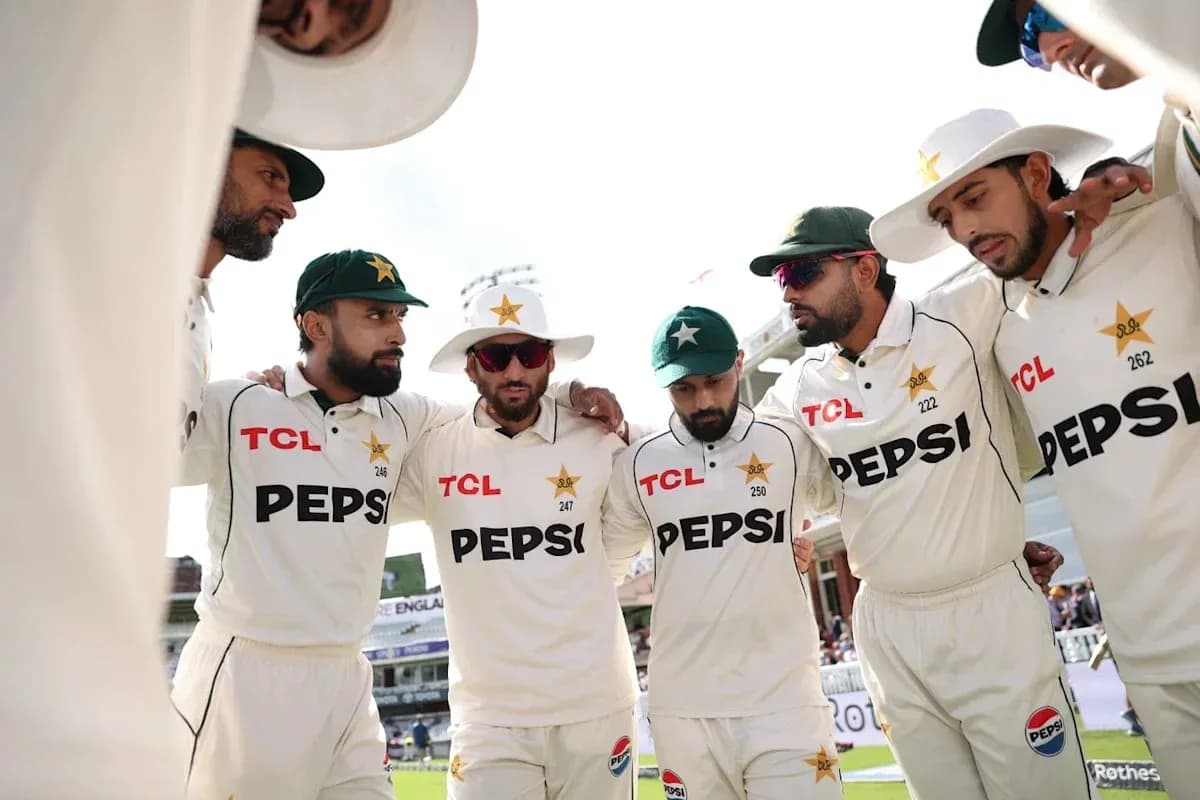
The tourists trail 2-0 in the three-match series after bruising losses at Headingley and Lord’s. Results alone would have prompted serious questions. What followed was seismic.
Seven players sent home. Seven replacements summoned. The head coach and his assistant removed on the eve of the final Test at Edgbaston.
In the middle of it all, the PCB confirmed it has launched an investigation into “media reports concerning discipline and conduct”, insisting the matter will be handled behind closed doors and under its own regulations.
“The Pakistan Cricket Board has initiated an internal disciplinary inquiry following media reports concerning discipline and conduct, which are currently being reviewed internally,” the statement read.
“The PCB handles such matters in accordance with its standard procedures. The process is being conducted under PCB regulations, ensuring that all concerned individuals are given due consideration.
“At this stage, any speculative reports or unverified claims circulating on certain platforms, particularly those originating from hostile external sources, should not be regarded as credible.”
The message was clear: the board wants to seize back control of the narrative, even as the team’s on-field campaign threatens to unravel.
Coaching shake-up and senior casualties
The fallout from the defeats in Leeds and London has been brutal. Head coach Sarfaraz Ahmed and assistant Umar Gul have both been removed from their roles for the final Test, with white-ball coach Mike Hesson and former Australia seamer Ashley Noffke drafted in to oversee the side at Edgbaston.
On the playing front, the axe has swung at some of the most senior figures in the dressing room.
Salman Ali Agha, who captained Pakistan in the opening Test before being dropped for the second, is among those sent home. So too wicketkeeper Mohammad Rizwan, one of the most recognisable faces in the modern Pakistan side, and opener Imam-ul-Haq, who did not bat in either innings at Lord’s because of a low-grade calf strain.
The scale of the cull stunned observers across the cricket world. Former captain Shahid Afridi did not hold back, branding the move by the PCB to overhaul the squad mid-series as the “most shocking decision ever by a selection committee”.
Into the vacuum step seven new arrivals, but only two of them – batters Saim Ayub and Abdullah Fazal – have any Test experience. For a team already struggling for stability, it is a high-wire act with no safety net.
PCB tight-lipped as Noffke keeps focus on Edgbaston
If the board’s statement was firm, it was also deliberately limited. “The PCB will not comment further at this time,” it added, urging “stakeholders and the public to rely on official PCB communications.”
That left those on the ground to deal with the immediate noise. Speaking to reporters in Birmingham, Noffke admitted he had been kept at arm’s length from the details of the probe.
“I can be really honest in that I don’t know too much,” he said. “I sit outside of that decision-making model, (which is) above us as coaches. We try and keep the players focused on what they need to worry about.”
It was a candid acknowledgement of how little the coaching staff are being involved in the political storm swirling above them.
“One thing that I’ve learned about being in Pakistan and coaching for a period of time, nearly 15 months now with the white-ball team, is there’s always something going on in the background,” Noffke added.
“I think most of the time it’s out of the players’ control. They need to focus on the cricket that they have in front of them and the opportunity they have in front of them.
“We’re not really in the position to even know the outer workings of what’s happening at PCB in that context.”
So Pakistan head to Edgbaston with a reshaped squad, a temporary coaching structure, and an internal inquiry simmering in the background.
The series is already lost. What happens in Birmingham now feels bigger than the scoreline: can this patched‑up side steady a listing ship, or will England’s final blow turn a crisis into something far deeper for Pakistan cricket?