Old Trafford Celebrates Ferguson's Legacy and Carrick's Vision
Old Trafford will lean into its past this weekend. Forty years on from the day Sir Alex Ferguson first walked into Manchester United, the stadium he reshaped will pause to remember the man who changed everything – while a very modern United wrestles with injuries, inconsistency and the strain of expectation.
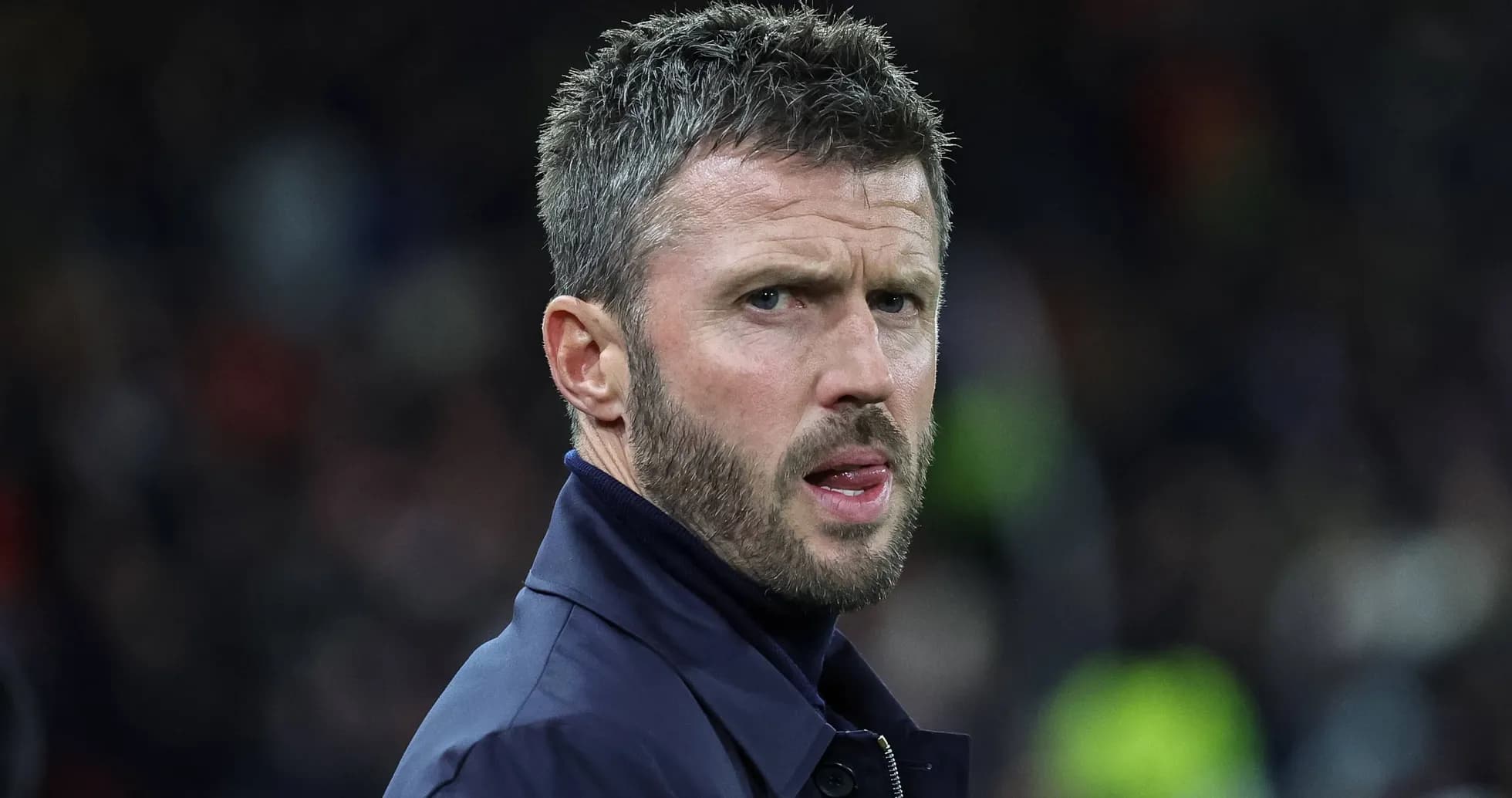
Michael Carrick knows both worlds. He played under Ferguson at the height of the empire and now, as manager, he is trying to build something that can bear even a faint resemblance to that era of relentlessness.
“It’s something definitely worth celebrating as a football club, 40 years this week since he came here,” Carrick said, reflecting on the anniversary and the Scotsman’s influence. The connection between the two has only deepened since Carrick swapped the pitch for the dugout.
“I am probably closer to him, and speak more to him now, than I did when I was playing. Ever since he came here, the impact he has had on me as an individual was immense.”
There is a temptation, on weekends like this, to get lost in the nostalgia. Carrick is determined not to. For him, the best way to honour Ferguson is not with montages or banners, but with a team that wins week after week, season after season.
The message is clear: this cannot be a club that lives off sporadic surges and big European nights. It has to rediscover the habit of sustained success.
Injuries bite after Roma epic
The timing of the celebration collides with a very current headache. United arrive at this landmark week on the back of a wild Champions League comeback against Roma – and a growing injury list that threatens to blunt their momentum.
The 3-2 victory at Old Trafford, a game that swung on chaos and courage, came at a cost. Carrick confirmed that Carlos Baleba faces a spell on the sidelines after picking up an injury in that thriller. The midfielder will miss several weeks and is only expected back after the upcoming international break, a significant blow to United’s options in the middle of the pitch.
There is at least a sliver of better news with Patrick Dorgu. The defender, absent for seven games, is “slowly getting back” to fitness. His name is back on the teamsheet in pencil, if not yet in ink. Late assessments will decide whether he can feature against Aston Villa.
The Roma game lit up Old Trafford, a reminder of what the place can feel like when belief floods through it. Carrick enjoyed the performance, but he refused to let it become a comfort blanket.
He called it a “one-off” – not to diminish it, but to underline the danger of treating one dramatic night as proof of a corner turned.
“We scored some goals from nowhere. I thought we played really well and deserved to win the game. Nothing is done yet. It is one moment in time that we need to use to move forward. We need more of it, for sure,” he said.
That is the tightrope for this United: use the emotion, don’t drown in it. The Premier League table, not the Roma comeback, will be the judge of whether this team is truly moving in the right direction.
Solskjaer’s backing, Carrick’s focus
The shadows of United’s past are never far away, and another familiar figure stepped into the conversation this week. Ole Gunnar Solskjaer, speaking to Norwegian media, offered his public backing for Carrick to lead the club on a long-term basis.
Solskjaer knows better than most what it means to sit in that chair. A Treble hero in 1999, a former manager who rode the highs and lows of the post-Ferguson era, his words still carry weight around Old Trafford.
Carrick, another member of that fabled 1999 group, welcomed the support without allowing it to distract from the job in front of him. He admitted he had not watched the interview himself, but he was clearly touched by the endorsement from a man who understands the peculiar intensity of the United job.
He described Solskjaer as a “fantastic person” and someone who knows him “better than almost anyone else in the industry,” and he made no secret of his hope that the Norwegian returns to management soon.
There is a thread that runs through all of this: Ferguson, Solskjaer, Carrick. Three generations bound by the same club, the same expectations, the same unforgiving spotlight.
As Old Trafford stands to honour Ferguson’s arrival four decades ago, Carrick’s task is brutally simple and incredibly hard: turn sentiment into standards, tributes into trophies. The banners will celebrate the past; his team has to prove there is still a future worthy of it.