Novak Djokovic Faces Early Exit at 2026 US Open
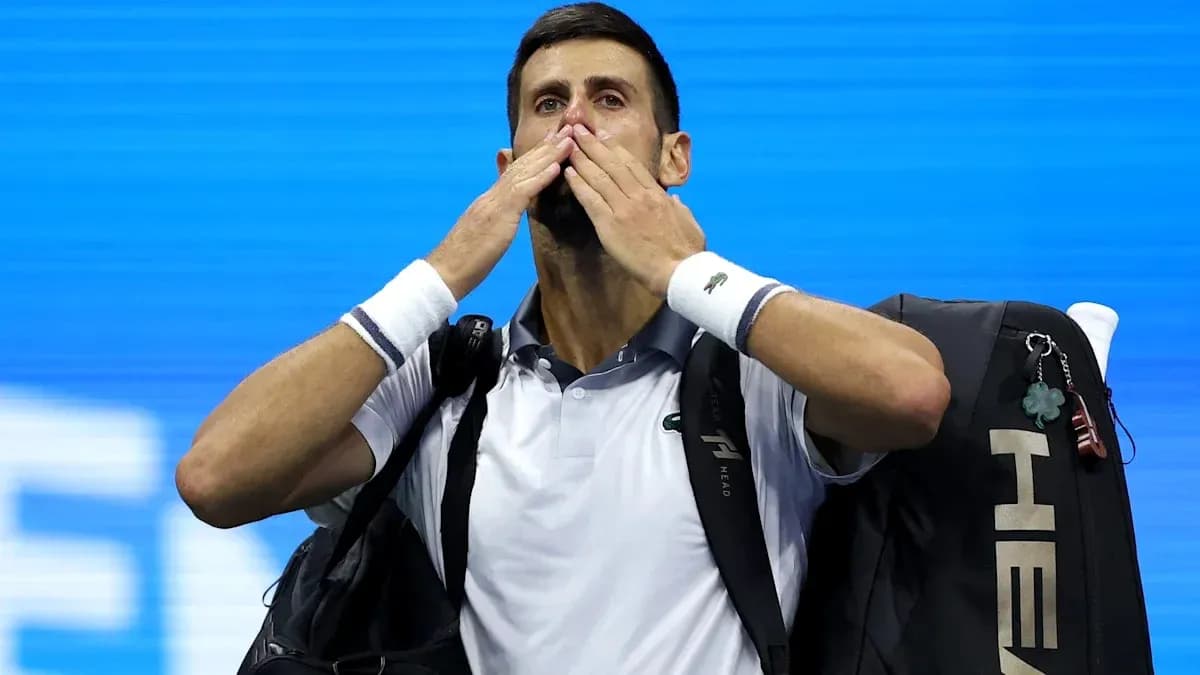
Novak Djokovic walked into Flushing Meadows chasing history. He left it staring him in the face.
A first-round loss to Mariano Navone, the world No. 48, sent a jolt through the 2026 US Open and ripped up one of tennis’ most enduring assumptions: that Djokovic always finds a way in week one of a Slam. Not this time. Not at 39. Not against a fearless Argentine who refused to play the role of supporting act.
It was Djokovic’s earliest exit at a major since 2006, ending an extraordinary run of 77 consecutive first-round victories at Grand Slams. For two decades, the opening days of a major had been a formality for him, a warm-up before the real business started. In New York, the curtain came down before the show even began.
The consequences are more than just emotional.
With the defeat, Djokovic has slipped out of the ATP top ten for the first time since 2018. He now sits at No. 12 in the world rankings. That drop carries a symbolic weight too: for the first time since 2002, none of Djokovic, Roger Federer or Rafael Nadal occupies a place in the top ten. An era that refused to let go is finally loosening its grip on the rankings page.
A race against the calendar
The rankings hit is one thing. The race to Turin is another.
In the ATP Race, which tracks performance across the season and decides who reaches the year-end ATP Finals, Djokovic’s early exit in New York has left him in 15th place. He has 2,330 live points, most of them harvested from a run to the Australian Open final and a Wimbledon semifinal. Solid results by any normal standard. For Djokovic, they now feel like a thin safety net.
Only eight players qualify for the ATP Finals. At the moment, the man clinging to that last spot is Daniil Medvedev with 2,780 live points. Djokovic is chasing, not controlling, the narrative.
Since his debut at the season-ending event in 2007, Djokovic has missed it just once, in 2017. He has built a record there that towers over everyone else: seven titles, the benchmark in the tournament’s history. The idea of an ATP Finals without him still feels strange, but the numbers are blunt. Unless he makes a late surge, that stage will belong to others this year.
Shanghai, Paris, and a shrinking margin for error
There is still a path. It is narrow, but it is clear.
Two Masters 1000 events remain on the calendar: the Shanghai Masters and the Paris Masters. Each offers 1,000 points to the champion. For a player of Djokovic’s pedigree, those tournaments are not just opportunities; they are lifelines.
He is also scheduled to return to the China Open during the Asian swing, where the title would bring another 500 points. Stack those results together and the picture changes quickly. Fail to cash in, and the race to Turin could close on him fast.
This is no longer just about what Djokovic does, though. He needs help. Players above him in the Race will have to falter, leave doors ajar, drop points in places where they have previously thrived. For almost his entire career, Djokovic has dictated terms to the rest of the field. Now he is, in part, at their mercy.
The shadow of his own greatness
The last time Djokovic played the ATP Finals, in 2023, he didn’t just show up. He dominated.
That year he capped one of his finest seasons by beating both Carlos Alcaraz and Jannik Sinner on his way to a record-extending seventh title at the event. It followed his 2022 triumph, when he defeated Casper Ruud in the final. Two titles in a row. Another reminder of how completely he has owned that stage.
His history there is absurd: Djokovic is the only player ever to win the ATP Finals four years running, a streak he put together from 2012 to 2015. Indoors, under lights, with the season on the line, he has so often looked untouchable.
The last two years, though, he has stayed away, trimming his schedule as the twilight of his career approaches. The decision made sense then. Now, after the shock in New York, the cost of any missed opportunity feels sharper.
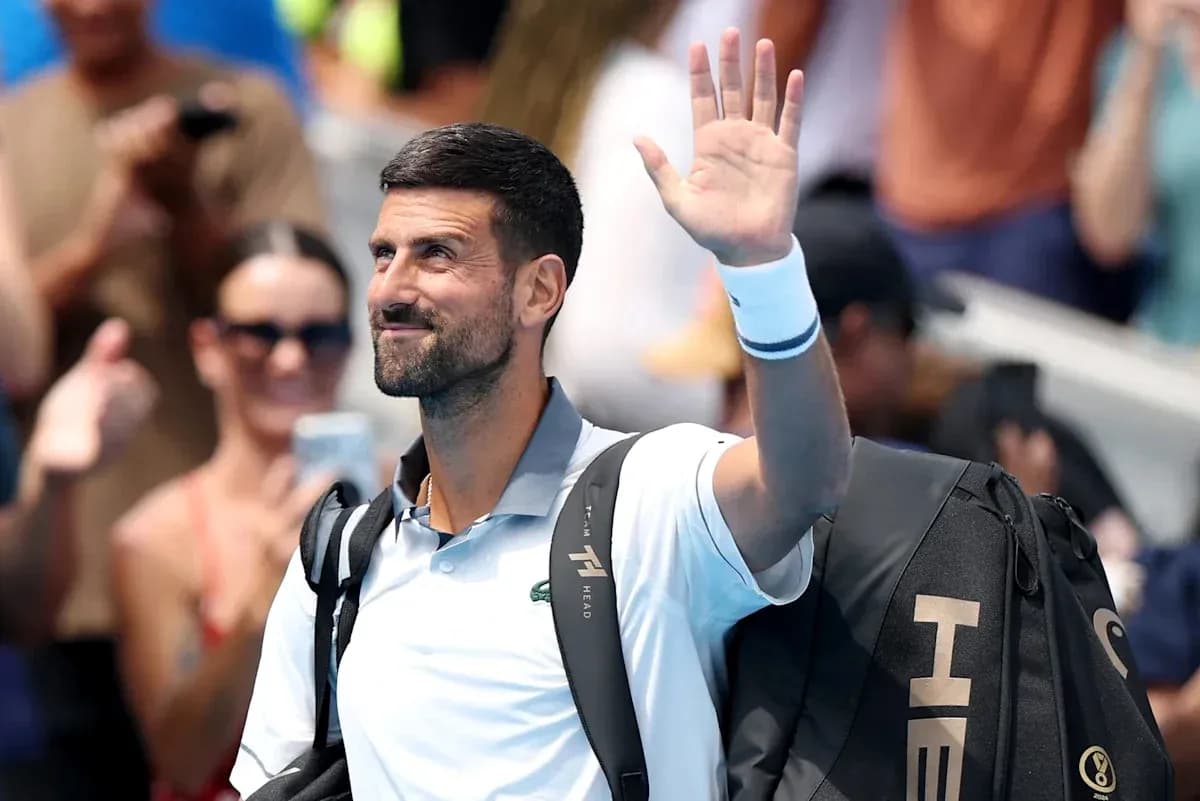
Djokovic has built a career on bending time, on defying the normal rules of aging and decline. Shanghai, Beijing, Paris — they will test whether he can do it again. The numbers say the race is slipping from his grasp.
His history says you write him off at your peril.