NBA Focuses on Stricter Rules for Push-Offs and Flopping in 2026-27 Season
NBA Targets Four Key Areas for Tighter Officiating in 2026-27
As the 2026-27 NBA season begins, the league has highlighted four main areas demanding closer attention from officials. These issues have been identified by players, coaches, referees, and league decision-makers as critical points to address during games.
James Jones, the NBA's head of basketball operations, explained that the goal is to balance offensive and defensive opportunities more effectively throughout the season.
Four Main Points of Emphasis
- Off-arm push-offs by offensive players aimed at pushing defenders away to create shooting space;
- Two-hand shoves during screens, specifically a certain type of screen where excessive force is used;
- Freedom-of-movement violations, involving off-ball defenders grabbing or clutching offensive players to slow their movement;
- Straight-line pathway plays, where drivers and defenders make contact trying to deter shots or draw fouls.
Monty McCutchen, head of referee development, laid out the rules around push-offs using what he calls the four Fs. If an offensive player is simply feeling or firming up position using mostly leg strength, referees should let the play continue. However, if they detect deliberate forceful contact or full arm extension to gain space, it should be called as a foul.
The competition committee has insisted on eliminating full arm extensions, expecting referees to clearly recognize these infractions. McCutchen acknowledged that drawing the line between firming up and forceful contact can feel subjective but stressed the importance of building a consistent standard through regular meetings with the committee.
"There were too many plays last season where a push-off was called one night but not the next," McCutchen said. "We need to be more consistent, and we will."
Stricter Stance on Flopping
The NBA has long viewed flopping as a problem but will now take a tougher approach. Officials will apply the STEM criteria to spot flops, looking for secondary, theatrical, exaggerated movements like excessive arm flailing, large distances traveled, and motions that might risk injuring others.
Jones commented on the shared dislike for flopping among coaches, players, and fans, saying it harms the game.
McCutchen emphasized that referees must penalize clear flops without overlooking legitimate contact. Both an offensive foul and a flop call can happen on the same play if warranted.
"We want the game played on its merits, not theatrics," McCutchen said, adding that head snaps alone won't count as flops.
Screening and Physicality Under Scrutiny
As the league sees more guard-to-guard screens in a five-out, positionless style, two-hand pushes during screens will face harsher penalties. The league aims to prevent strength from overpowering technique and quickness in determining advantages.
McCutchen noted the desire to keep basketball about positioning and skill rather than brute force.
Early Season Whistles and Adjustments
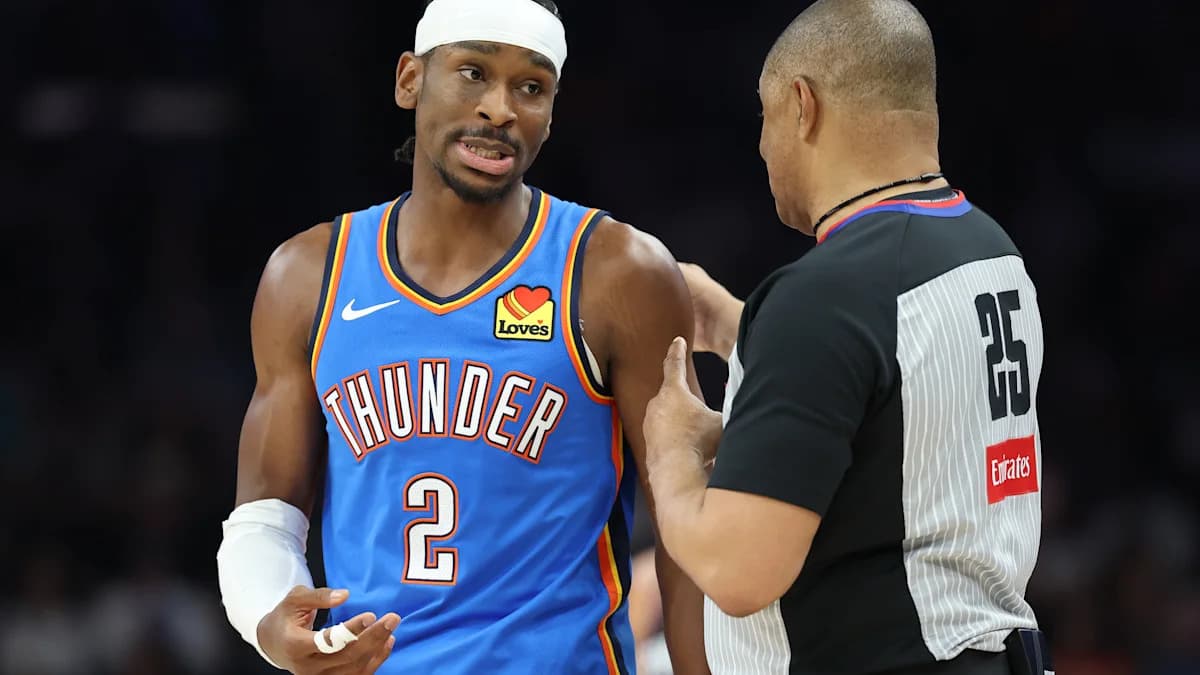
Expect more fouls called early in the season as players adapt to stricter enforcement. Players make quick micro-adjustments within each possession, often testing boundaries, especially in how forcefully they communicate with officials.
McCutchen highlighted the need for referees to engage openly with players rather than remain silent, which can come off as arrogance.
"No answers is not acceptable," McCutchen said. "Building trust takes effort, but calling the game consistently and fairly is the best path forward."
The better referees perform, the more the players can focus on competing and creating memorable moments for fans.
"When players compete fairly, we get lasting, compelling experiences," Jones said.