Naomi Osaka Advances to US Open Round of 16 After Thrilling Comeback
Naomi Osaka walked off Louis Armstrong Stadium shaking her head, half laughing, half stunned. On the scoreboard, though, it was brutally clear: the 13th seed is still alive at the US Open.
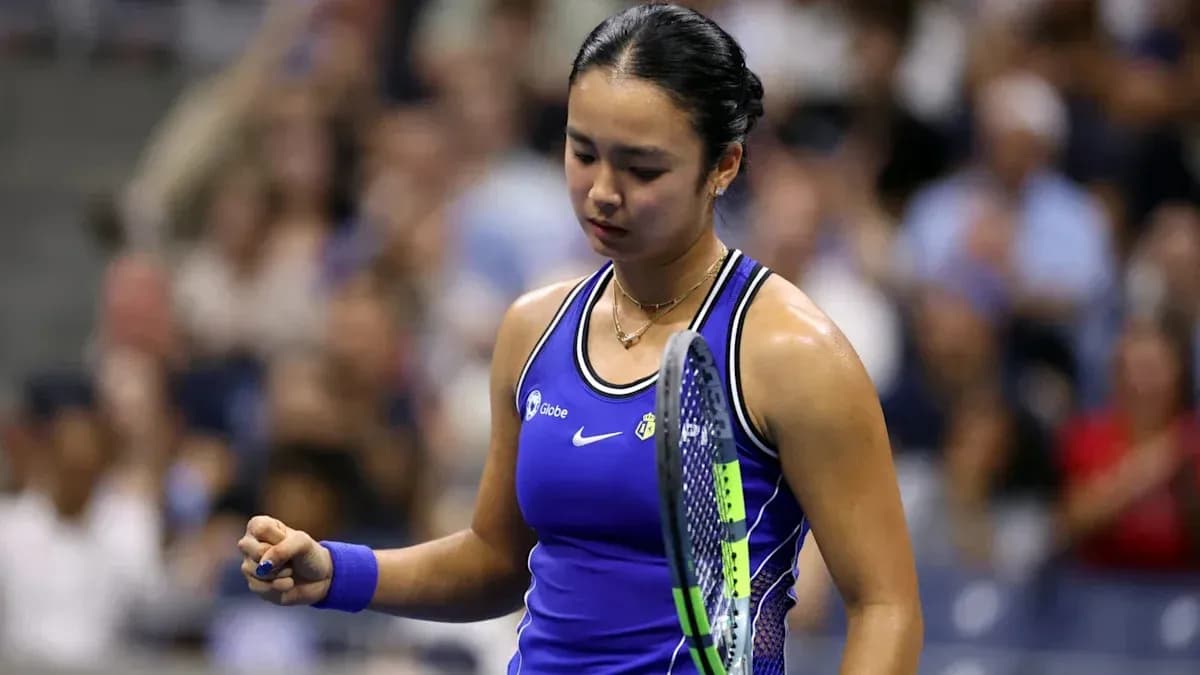
Osaka edged Elise Mertens 6-3, 3-6, 7-5 in a tense third-round duel in New York, the two-time champion pushed to the edge before clawing her way into the round of 16.
Fast start, early statement
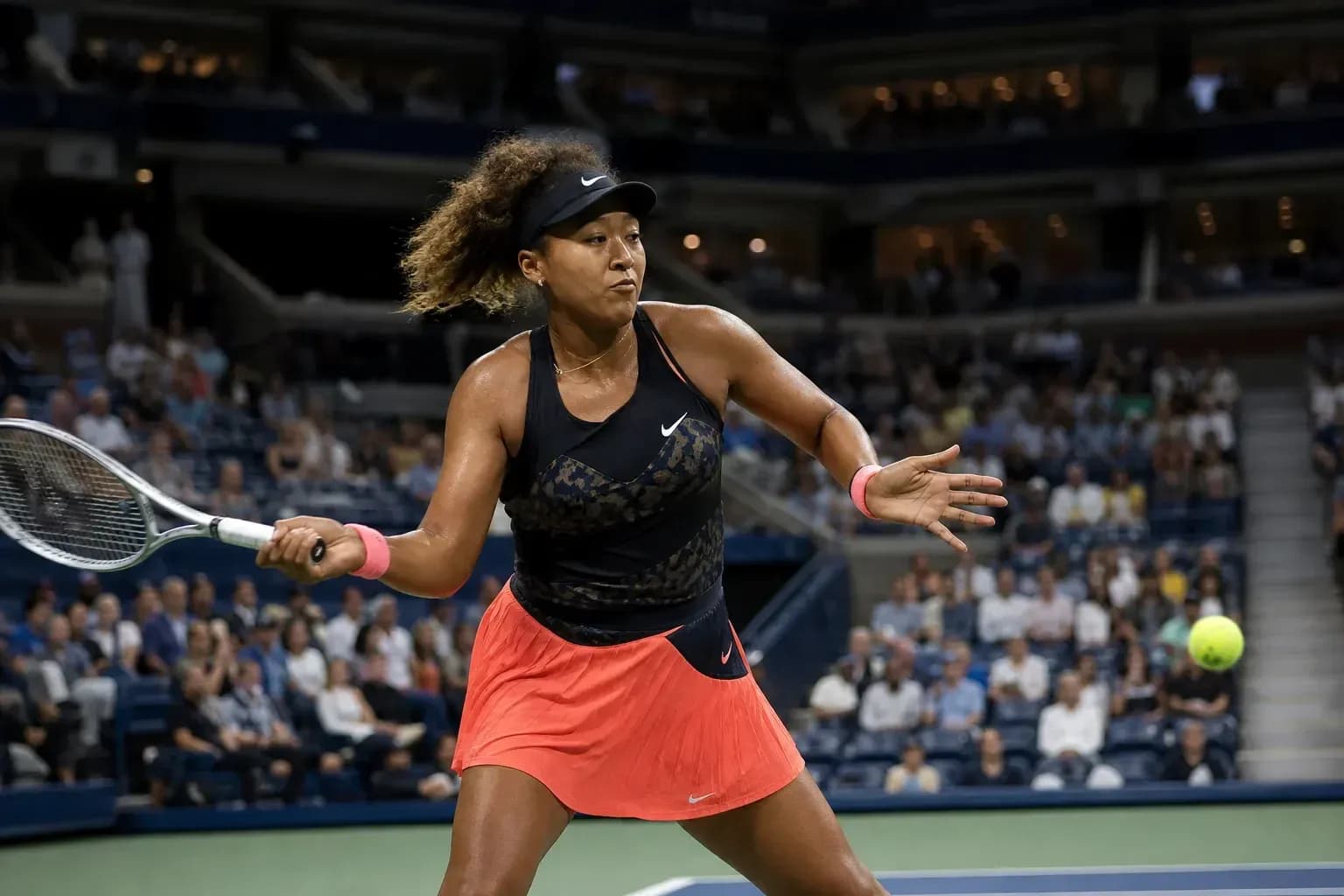
Under the evening lights in Flushing Meadows, Osaka came out with intent. Her serve cracked through the humid air, and once she settled into rhythm, the first set raced away from Mertens.
From 1-1, Osaka reeled off three straight games, surging to a 4-1 lead. The Belgian, seeded 23rd, chased angles and tried to extend rallies, but Osaka’s first-strike tennis dictated the terms. Heavy, flat groundstrokes pinned Mertens behind the baseline, and when Osaka stepped up to serve out the set, she did it with authority, stringing together a series of powerful deliveries to close it 6-3.
It looked like the familiar script: Osaka in control in New York, the hard courts bending to her will again.
Mertens bites back
The second set initially followed the same pattern. Osaka attacked from the baseline, broke in the third game, and looked ready to pull away.
Then the match turned.
Mertens steadied. Osaka’s aggression started to misfire. The Japanese star dropped the next two games, her early break evaporating as errors crept in. Mertens, who had been absorbing pace for much of the night, began to redirect it, lengthening rallies and forcing Osaka to hit one extra ball, then another.
The pressure told this time on Osaka’s racket, not Mertens’ resolve. The Belgian levelled the match in sets, 6-3, flipping the mood inside Armstrong. What had seemed routine was suddenly anything but.
A wild deciding set
The third set opened with tension thick in the air. Osaka, so often the front-runner here, now found herself chasing the match’s rhythm.
Mertens seized on a cluster of unforced errors to move ahead, sensing a dip in Osaka’s timing. The Belgian’s consistency and court coverage gave her the edge as Osaka’s frustration grew, the racket toss that followed one missed chance underlining just how tight the contest had become.
Then came a pause. Osaka took a medical timeout, a brief reset that changed the feel of the night. When she returned, the match shifted again.
The rallies sharpened. Osaka began to hit through the court with more clarity, choosing her moments rather than forcing every shot. Mertens still held the advantage, but the momentum no longer sat comfortably on her side of the net.
Late in the set, Osaka made her move. She broke back, finally cracking Mertens’ resistance, and the stadium noise rose with her. Serving at 5-5, she found her biggest weapons again. An ace to push ahead 6-5 felt like a statement as much as a point: she was not ready to leave New York.
One game later, the contest was over. Osaka closed it out, 7-5 in the third, her relief as obvious as the roar that greeted the final ball.
Relief, apology, and what comes next
“Honestly, I can’t believe I won this match,” Osaka admitted on court, thanking the crowd that had ridden every swing of momentum with her. She also addressed her on-court behaviour, apologizing for moments of frustration, including the racket throw that punctuated one of the match’s darker spells for her.
It was raw, honest, and very Osaka: vulnerable, yet fiercely competitive.
Her reward is a place in the fourth round, where she will face either Elena Rybakina or Yulia Starodubtseva. The names are different, the challenge no less severe.
What this night proved, under the Armstrong lights, is that Osaka’s fight is very much back on display. The question now is whether this kind of escape becomes a springboard—or just a dramatic chapter in another turbulent New York campaign.