Naomi Osaka: Fashion Statement at the US Open
Naomi Osaka has never blended into the background. Not with her tennis. Not with her voice. And certainly not with her clothes.
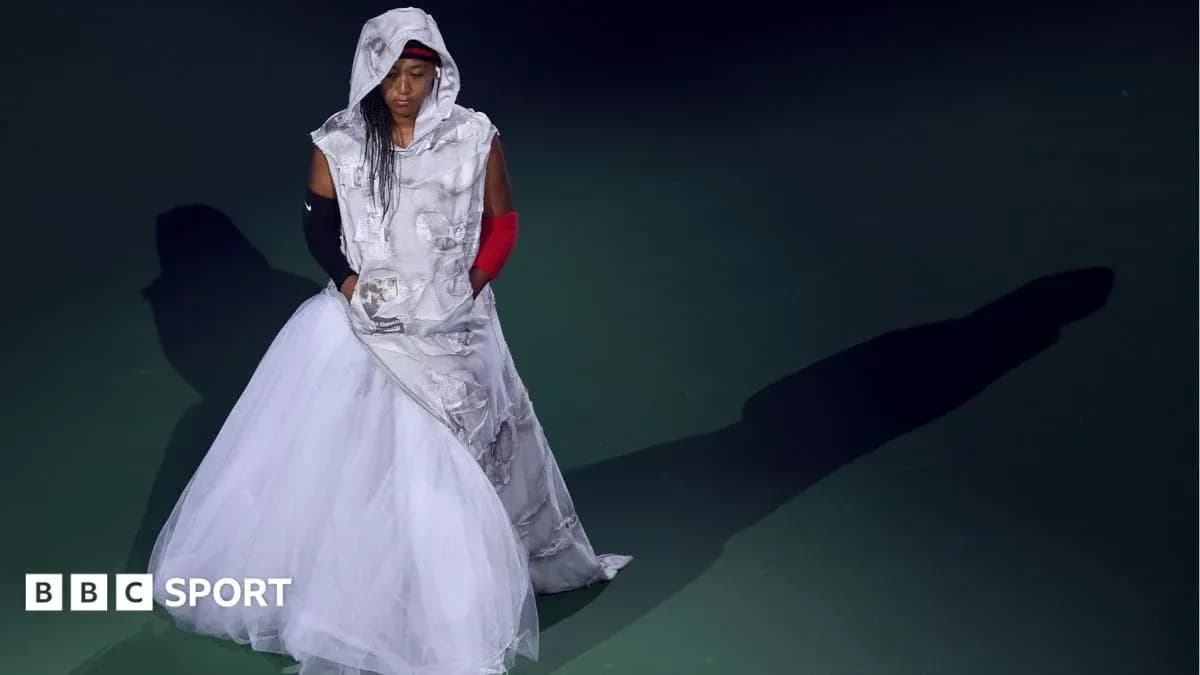
At this year’s US Open, the four-time Grand Slam champion turned Arthur Ashe Stadium into a runway with a purpose. For her first-round win over Anastasia Zakharova, Osaka walked in wearing a hooded white gown, dramatic and almost ceremonial, before revealing the real battle gear underneath: an all-black, basketball-style kit.
It wasn’t just a look. It was a statement.
Her hair was braided, a headband tied across her forehead in a clear nod to Allen Iverson, the former NBA star whose cultural impact stretched far beyond the court. Osaka called him a "trailblazer", pointing to the way he shifted fashion norms in sport, intentionally or not. The message was obvious: this wasn’t cosplay. It was lineage.
Osaka, now 28, has long understood that what she wears carries weight. So does what she says. She has heard the criticism about her “extravagant” outfits. She knows some people roll their eyes. She is not backing down.
"I don't mind being the first to do something and getting trashed for it," she wrote on social media, leaning straight into the storm. "This happened when I talked about mental health and for some reason it's happening with my clothes lol."
The reference to 2021 was no accident. That year, Osaka refused to do press conferences at the French Open, citing mental health concerns, and then withdrew from the tournament altogether. The backlash was fierce. So was the support. She forced the sport to confront an issue it had long pushed to the side.
Now, the battleground is fabric and colour rather than microphones and media rooms, but the principle hasn’t changed. She is still pushing at the edges of what tennis is supposed to look like.
In her last-16 defeat to Elena Rybakina at the US Open, Osaka arrived in another striking ensemble: a decorated coat draped over her shoulders before she settled into the match kit underneath. Even in a losing effort, she refused to mute herself.
Her defiance is rooted in identity as much as individuality. Born to a Haitian-American father and Japanese mother, Osaka has often spoken about how her background shapes the way she moves through the world. This time, she put it bluntly.
"I'm literally Haitian it's in my blood to be this way," she wrote. "As long as the people after me have an easier path it's worth it."
That line cuts to the heart of what she is trying to do. The outfits, the tributes, the bold entrances — they’re not just about standing out today. They’re about who feels free to stand out tomorrow.
Osaka knows the cost of going first. She’s paid it before. And she’s made it clear she’s willing to pay it again, one outfit at a time.