Naomi Osaka Battles Back to Reach US Open Third Round
Naomi Osaka steadies, then surges into US Open third round
NEW YORK — For a set and a half on Arthur Ashe Stadium, Naomi Osaka looked like she had somewhere to be.
Sharp feet. Heavy first serve. Clean, uncluttered ball‑striking. The two-time US Open champion ripped through Katerina Siniakova 6-2 in 30 brisk minutes, then built a 4-2 lead in the second. It felt routine, almost too easy.
Then it wasn’t.
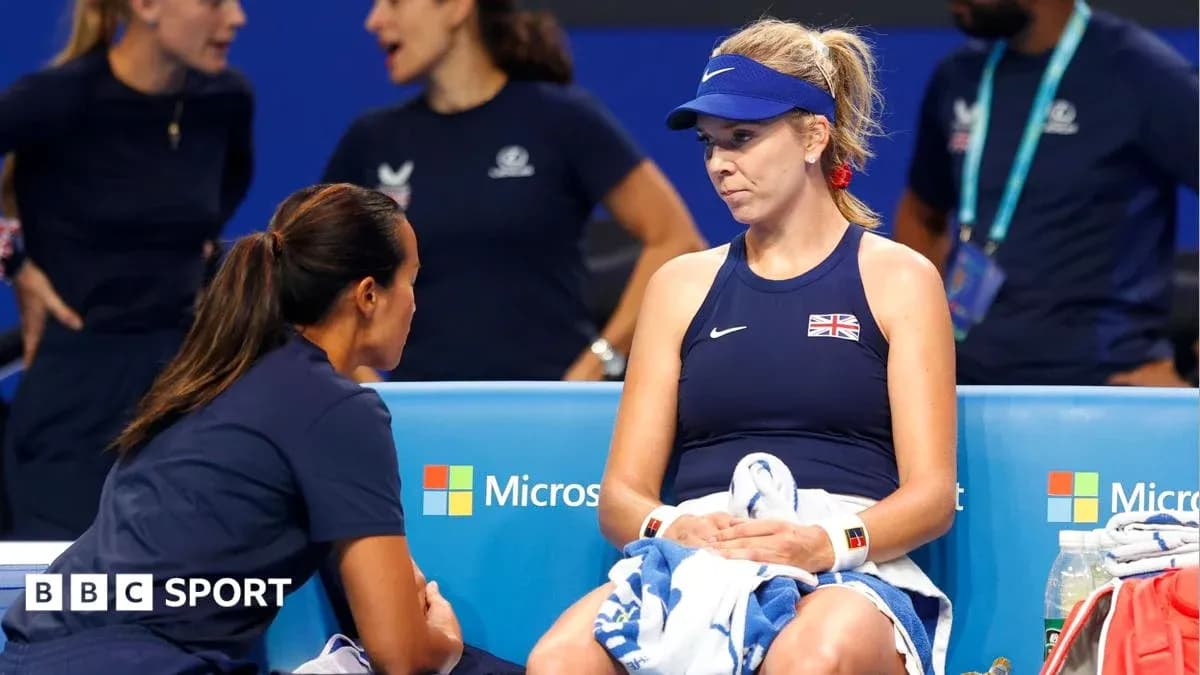
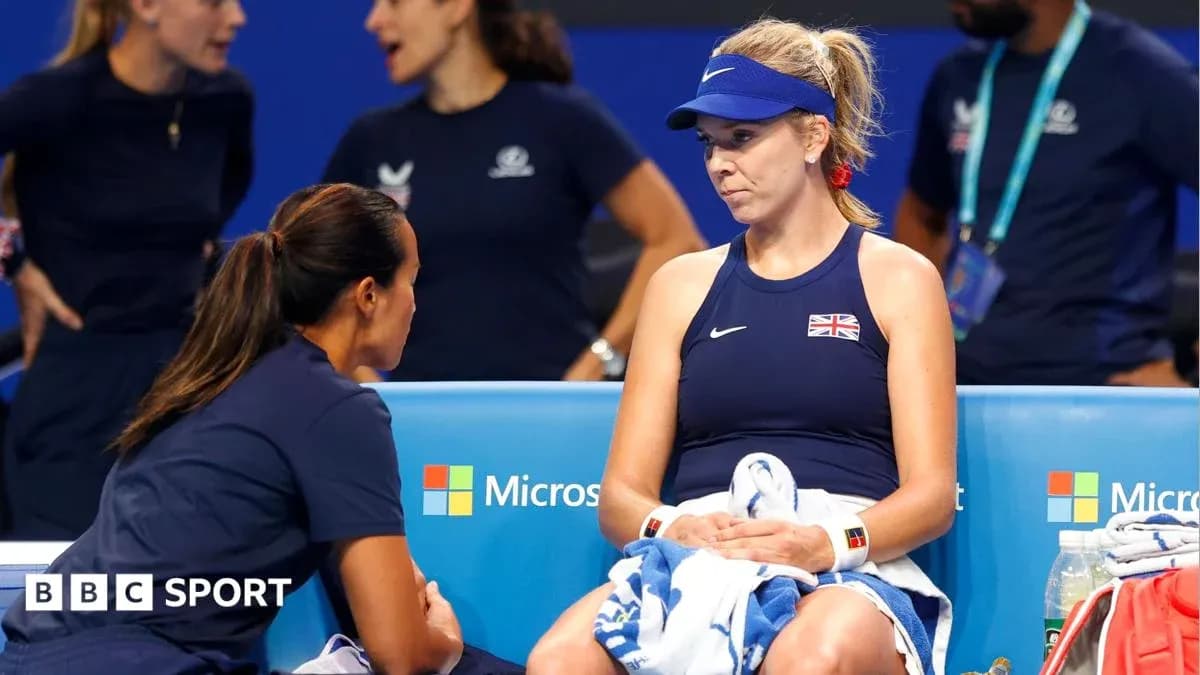
Siniakova, the world No. 1 in doubles but far less decorated in singles, dug in. Osaka’s forehand, so reliable early, began to leak errors. A long service game at 4-2 turned into a crack in the door, and Siniakova barged through it. Osaka’s timing slipped, her margin narrowed, and the numbers told the story: four unforced errors in the first set ballooned to 20 in the second.
The match flipped. The mood did not.
Osaka dropped the second set 5-7, stalked off for a bathroom break, and came back with the kind of clear-eyed intent that has carried her to four major titles. The reset worked. The scoreline in the third—6-1—looked like the opening act all over again.
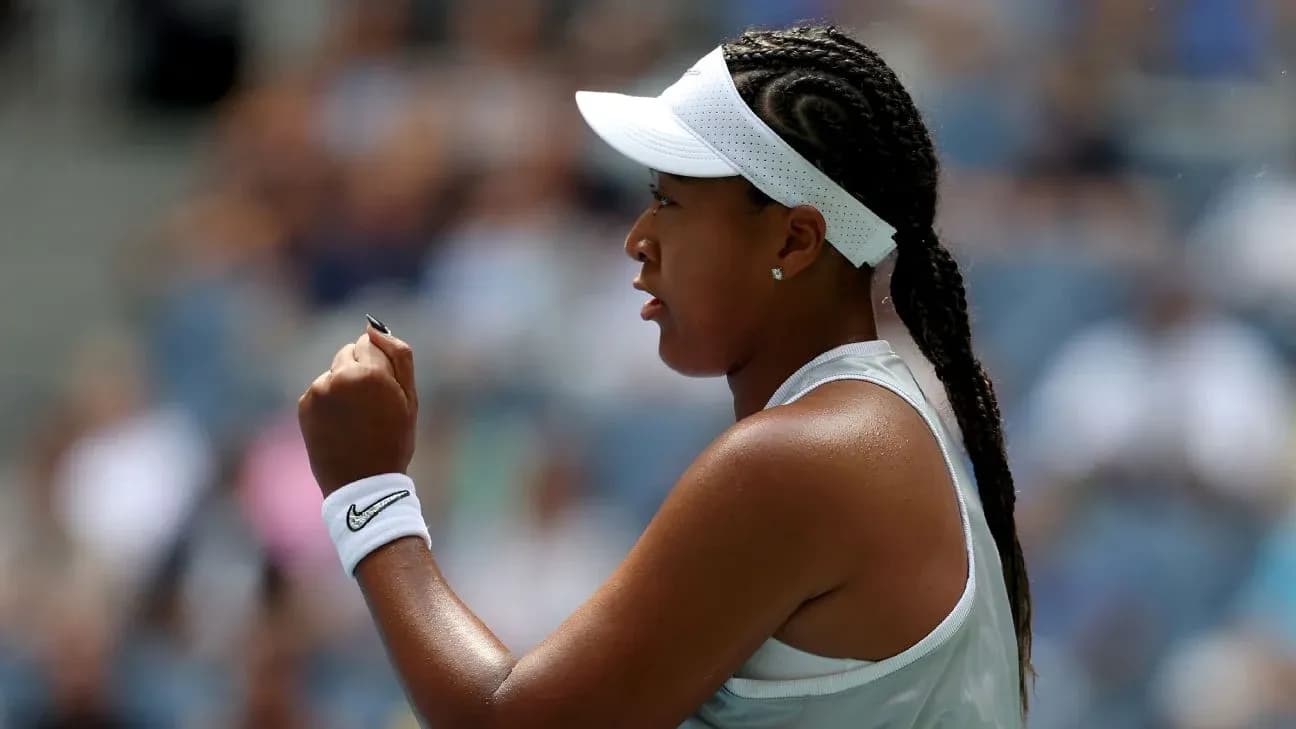
“The match was definitely really tough and I don't know, I just felt like I had to fight,” Osaka said. “I definitely had a couple opportunities in the second set and I think I was a little bit too hard on myself. So I took the bathroom break, regrouped a little, came back and just tried to have no regrets.”
She played like it.
Osaka broke immediately for 2-0 in the decider, then produced the point of the match to stamp her authority on the afternoon: a 19-shot rally finished with a crisp volley winner, her touch at the net belying the tension of the moment. She didn’t explode in celebration. She exhaled. Relief more than joy.
On a sunlit Thursday that finally felt like a proper New York tennis day after rain had stalled the tournament earlier in the week, Osaka’s presence on Ashe still carried the aura of a former champion. Her look matched the stage. Silver and white under a long white jacket, white visor pulled low. A stark contrast to her opener, when she walked out dressed in black, hair in cornrows under a headband in a nod to Allen Iverson.
The No. 13 seed’s win pushed her into the third round, part of a packed day that showcased both the present and future of the sport.
Iga Swiatek, the 2022 US Open champion, barely broke stride in her own assignment. The top women’s seed on the day dismissed Nadia Podoroska 6-3, 6-2, a businesslike performance that underlined why she remains one of the most ruthless frontrunners in the game.
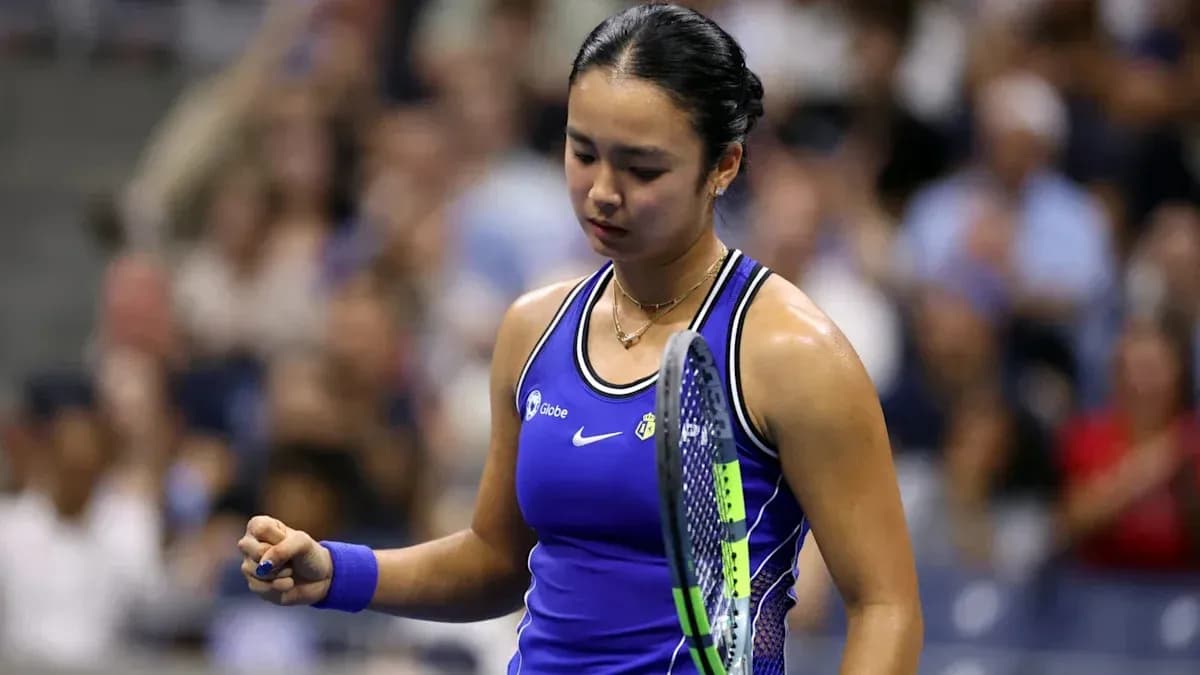
Filipina No. 17 seed Alex Eala had to wait. And wait. Her match was stuck behind a grinding four-setter in which No. 3 seed Felix Auger-Aliassime was pushed deep by Karen Khachanov. Auger-Aliassime, the tournament’s third seed, eventually forced his way through in four, but the extended battle pushed Eala’s start back and reshuffled the day’s rhythm.
Night belonged to Coco Gauff.
The 2023 Flushing Meadows champion returned under the Ashe lights to face Paula Badosa, a dangerous opponent playing for the second straight day after rain forced her to finish her first-round match on Wednesday. Gauff’s match would set the stage for another marquee name: No. 1 seed Alexander Zverev, back on court after a near-disaster in the opening round.
On Tuesday, Zverev had flirted with unwanted history, needing five sets to edge Lorenzo Sonego and avoid becoming the first No. 1 seed to lose in the first round of a men’s major since 2003. Against Quentin Halys, he stepped in looking for something simpler, cleaner, less nerve-shredding.
Doubles action finally got underway as well, though the most famous pairing in the draw remained a looming storyline rather than a live one. Serena Williams and Venus Williams were not scheduled on Thursday. Their first-round match against Hao-Ching Chan and Maya Joint—who beat Serena in singles at Wimbledon this summer—could come Friday, a potential jolt of nostalgia and intrigue layered onto an already loaded schedule.
By late afternoon, the sun still sat high over Queens, the courts finally free of tarps and puddles, the tournament back on schedule and back in rhythm.
Osaka, having ridden out her own storm, walked off Ashe not with the swagger of a statement win, but with something more useful in a long major: proof that when her game wobbles, the fight is still there.
In a draw packed with big names and rising threats, that edge may matter more than any easy straight-sets scoreline.