Namibia Cricket Ground Hosts T20I Tri-Series with South Africa and Zimbabwe
The lavender hits you first.
It frames the outer wall of the Namibia Cricket Ground in Windhoek, a soft purple fringe against a hard, sun-baked city. In a country where the landscape can feel unforgiving, and in a sport where grass is usually the only greenery that counts, it’s an unexpected flourish. A touch of calm around a venue about to host something far more combustible.
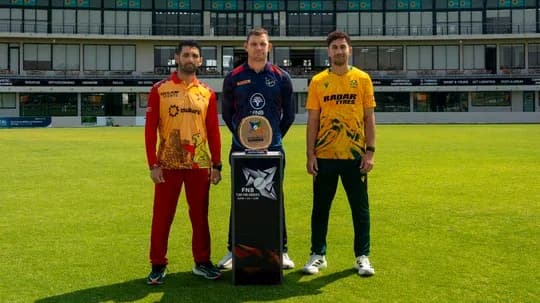
From Friday until September 6, Namibia, South Africa and Zimbabwe will cram a T20I tri-series into this new jewel of the world game. The ground has been busy since March last year – 17 completed men’s white-ball internationals, as many women’s T20Is, eight men’s under-19 ODIs – but nothing quite like this. For the first time, two ICC Full Members arrive together. For the first time, Windhoek gets a proper look at where it sits in cricket’s shifting order.
Namibia’s moment, again
The hosts don’t come into this as plucky extras. They walk in with a result that still lives vividly in local memory.
Last October, under the same big sky, Namibia beat South Africa in a T20I. Not in a warm-up on a side field, not in a charity hit-and-giggle. In a full international, decided off the last ball, by four wickets, in their first meeting in any format. The Eagles didn’t sneak it. They took it.
No South African who watched that game thought they were robbed. They were outplayed. Bjorn Fortuin, now captaining an experimental South Africa squad here, said as much this week: it “wasn’t a fun experience”, and they were beaten by the better side on the day.
Gerhard Erasmus, Namibia’s captain, knows exactly what that meant – and what this format can do for teams like his. “How do you bridge the gap to the next level? By beating teams at the next level,” he said. T20, he argued, lets two star performers tilt the whole contest. Namibia proved that once. They intend to prove it again.
They will do so with some familiar and some intriguing names. Michael van Lingen, retired since the 2024 T20 World Cup, is back. Justin Kemp, once a hulking presence in South Africa’s middle order, now sits in the home dugout as assistant coach.
- Jan-Nicol Loftie-Eaton
- Junior Taanyanda
- Gerhard Erasmus (capt)
- Alex Busing-Volschenk
- Zane Green
- JC Balt
- Jan Frylinck
- Max Heingo
- Bernard Scholtz
- Waldo Smith
- Jack Brassell
South Africa roll the dice
If Namibia are close to full strength, South Africa are anything but. This is a tour for clipboards and notebooks, not reputations. An experimental squad, a cluster of opportunities, and a fair bit of jeopardy.
Jason Smith, pencilled in as a key all-round option, is out with an inner thigh strain. Eathan Bosch arrives uncapped in T20Is. Duan Jansen has yet to debut in any format. The names on the team sheet tell you this is a look to the future, not a reprise of the recent T20 World Cup.
- Tony de Zorzi
- Lhuan-dré Pretorius
- Connor Esterhuizen
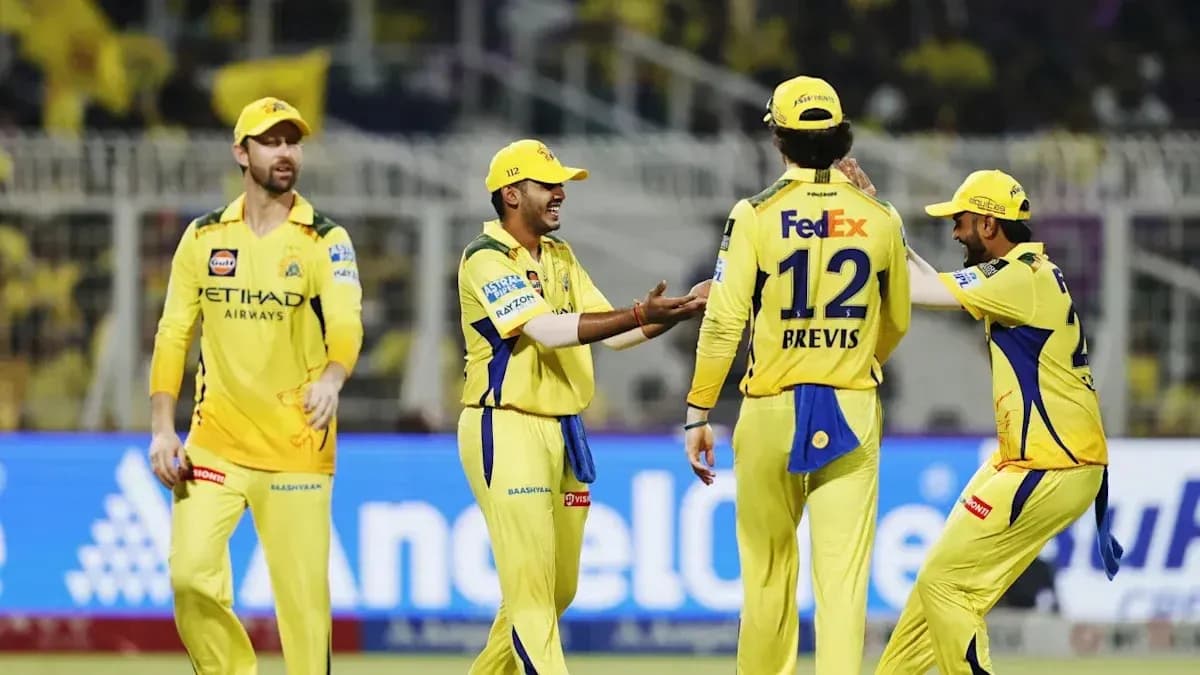
- Dewald Brevis
- Rubin Hermann
- Prenelan Subrayen
- Duan Jansen
- Bjorn Fortuin (capt)
- Kwena Maphaka
- Lutho Sipamla
- Nqobani Mokoena
It’s a group that will move the ball quickly and field hard. It will also be asked to learn on the fly. The schedule is unforgiving: only three rest days across the tournament, and each side will play on back-to-back days at some point. For a young squad still learning international rhythms, that’s a stern examination.
Fortuin, at least, has clarity. There is no pretending last year’s defeat to Namibia was a fluke. “The reality was we got beaten by the better team on the day,” he admitted. The question now is whether a different South African side, lighter on caps but heavier on hunger, can flip that script.
Zimbabwe’s edge, and its absences
Zimbabwe arrive with their own blend of hope and complication. The headline is Graeme Cremer’s return. An arm injury kept him out for more than 17 months; now the legspinner is back, a familiar pivot around which Zimbabwe’s attack can turn.
The good news doesn’t erase the bad. Richard Ngarava, a key spearhead with the ball, misses out with a lower back problem. Brendon Taylor, long one of Zimbabwe’s most recognisable batting figures, has been dropped.
Even so, this is a side with enough quality to trouble both neighbours. Sikandar Raza leads and embodies them – combative, inventive, endlessly involved. Around him stand the likes of Brian Bennett, Ben Curran, Dion Myers and Wessly Madhevere, players who can turn a tight game with one spell or one surge of boundaries.
- Brian Bennett
- Ben Curran
- Dion Myers
- Sikandar Raza (capt)
- Wessly Madhevere
- Tadiwanashe Marumani
- Brad Evans
- Newman Nyamhuri
- Graeme Cremer
- Wellington Masakadza
- Blessing Muzarabani
Zimbabwe’s challenge is consistency. In a compressed tournament, there’s little room to play yourself into form. Start slowly and you might never catch up.
A ground still writing its story
Windhoek’s new stage has already shown it won’t be bullied by the bat.
In 13 men’s T20Is here, scores of 200 or more have been posted only three times. Two centuries have been struck, eight fifties compiled, but bowlers have had their say. Six four-wicket hauls have been taken; seamers own four of them.
The conditions promise sunshine and temperatures in the mid to upper 20s Celsius. It will be pleasant for spectators, less so for fast bowlers who must run in repeatedly on hot afternoons. Start times are fixed at 2pm local, which is also 2pm in South Africa and Zimbabwe, and 5.30pm IST.
The surface has tended to keep everyone interested. Hit through the line and you’ll be rewarded, but there is grip, there is seam, and there is just enough uncertainty to keep scores in check. Teams who chase poorly or misjudge a par total will be punished.
In that environment, the “southern African way” of cricket feels tailor-made: bristling pace, daggerish fielding, flinty batting, and a refusal to fold when the game seems to be slipping away. It’s a style that suits the landscape and the people. It’s also perfect for a format where momentum can turn inside three balls.
Beyond the boundary
All of this will play out in front of fans who know how to enjoy themselves. Namibians, South Africans, Zimbabweans – none of them need much encouragement to raise a glass. Over the next 10 days, plenty of beer will disappear, regardless of which way the results fall. You could almost call it the Thirsty Cup.
Yet this is not a circus. It’s a serious cricketing moment in a part of the world that has often been treated as a sideshow. Namibia’s win over South Africa last year wasn’t just a shock; it was a statement. This series gives them another chance to speak, loudly, in front of two Full Members at once.
Erasmus has already outlined the equation for Associates: you don’t close the gap by waiting to be invited in. You close it by beating those already inside. Namibia have done it once. Zimbabwe have spent years fighting to stay relevant in the same conversation. South Africa, even with a second-string squad, cannot afford to treat this as a gentle outing.
The lavender will sit quietly on the perimeter, softening the concrete and the steel. Inside, there will be nothing gentle about what unfolds. Three nations, one rising venue, a short, sharp tournament.
By September 6, we will know: was last October the start of a shift in southern African cricket – or just the first tremor before something bigger breaks?