Mukuhlani Elected ICC Deputy Chair: A Historic Moment for Zimbabwe
Tavengwa Mukuhlani has been elected Deputy Chair of the ICC, stepping into one of world cricket’s most powerful roles at a time when the sport’s map is being redrawn — and with a World Cup on Zimbabwean soil looming on the horizon.
He replaces Imran Khwaja, whose nearly 20-year stint as an Associate director on the ICC Board ended in July after he lost a Board election, prompting his resignation as deputy chair later that week. Khwaja’s departure closed a long chapter of Associate representation at the top table. Mukuhlani’s arrival opens a very different one.
Already a familiar figure in ICC corridors, Mukuhlani sits on the ICC Finance and Commercial Affairs Committee and the Nominations Committee, and chairs the HR and Remuneration Committee. Now he adds the deputy chairmanship to a portfolio that places him at the heart of cricket’s political and financial engine room.
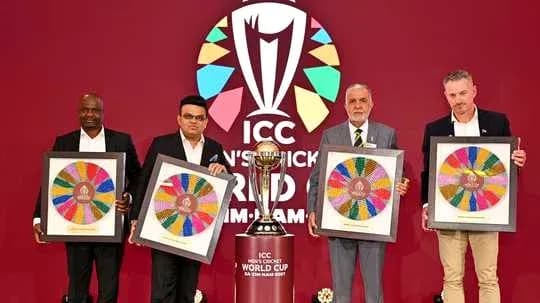
The timing is no coincidence. Zimbabwe will co-host the 2027 Men’s ODI World Cup, a tournament that returns to Africa for the first time in 24 years. The ICC made that link clear in its announcement, stressing how Mukuhlani’s years at the helm of Zimbabwe Cricket and his feel for the region will shape preparations for what it called a “landmark World Cup” and a catalyst for growth across the continent.
For Zimbabwe, long starved of stable influence in the game’s upper echelons, this is a breakthrough. For Africa, it is a signal that the next phase of cricket’s expansion will not be confined to the traditional power bases.
Mukuhlani himself framed the appointment as both honour and responsibility. He spoke of being “deeply honoured” by the trust shown by fellow ICC Board directors and “grateful for the opportunity” to serve as Deputy Chair. His focus, he said, will be on working closely with ICC Chair Jay Shah, whose “leadership, energy and ambition” he credited with giving the organisation a sharper sense of purpose, centred on growing the game, creating opportunities for Members and reaching new audiences and markets.
The context could hardly be more ambitious. Cricket is heading back to the Olympic Games and chasing fresh territory worldwide. Mukuhlani underlined that this is an “exciting period” for the sport and pledged to support Shah and the Board in pushing their shared priorities and “serving the best interests of cricket globally.”
Shah, for his part, left no doubt about why Mukuhlani has been elevated. He highlighted his “experience in cricket administration, understanding of the global game and commitment to its development” as qualities that will be “invaluable to the ICC Board.” Shah noted that Mukuhlani has “earned the confidence of his fellow Directors” and spoke of working with him to strengthen cricket across the ICC’s Members and unlock “greater opportunities for the game to grow worldwide.”
There is symbolism here that stretches beyond boardrooms and committees. Shah called Mukuhlani’s election “a significant milestone for Zimbabwe,” pointing to the fact that he is the first Zimbabwean ever to serve as ICC Deputy Chair.
For a country preparing to welcome the world in 2027, its leading administrator now sits at the centre of the sport’s global decision-making. The next few years will show just how much that alignment can reshape cricket’s future in Africa — and how far Zimbabwe can ride this rare wave of influence.